
Top Mistakes Beginners Make When Climbing Five-Thousanders
Have you ever looked at someone in a climbing group and thought, "That one definitely won't make it"? Not because they're physically weak, but because they're doing what all beginners do—treating altitude as a long hike. I've seen plenty of such stories on Kazbek and Mont Blanc (by the way, I have a detailed guide to climbing Kazbek if you want to delve deeper into the route), and frankly, mistakes are repeated with alarming regularity. And it's not just the less-prepared who make mistakes—sometimes athletic and confident people descend the mountain faster than those who, on paper, look weaker. In this article, we'll explore the most common pitfalls for beginners and how to avoid them if you're also planning your first 5,000-meter climb.
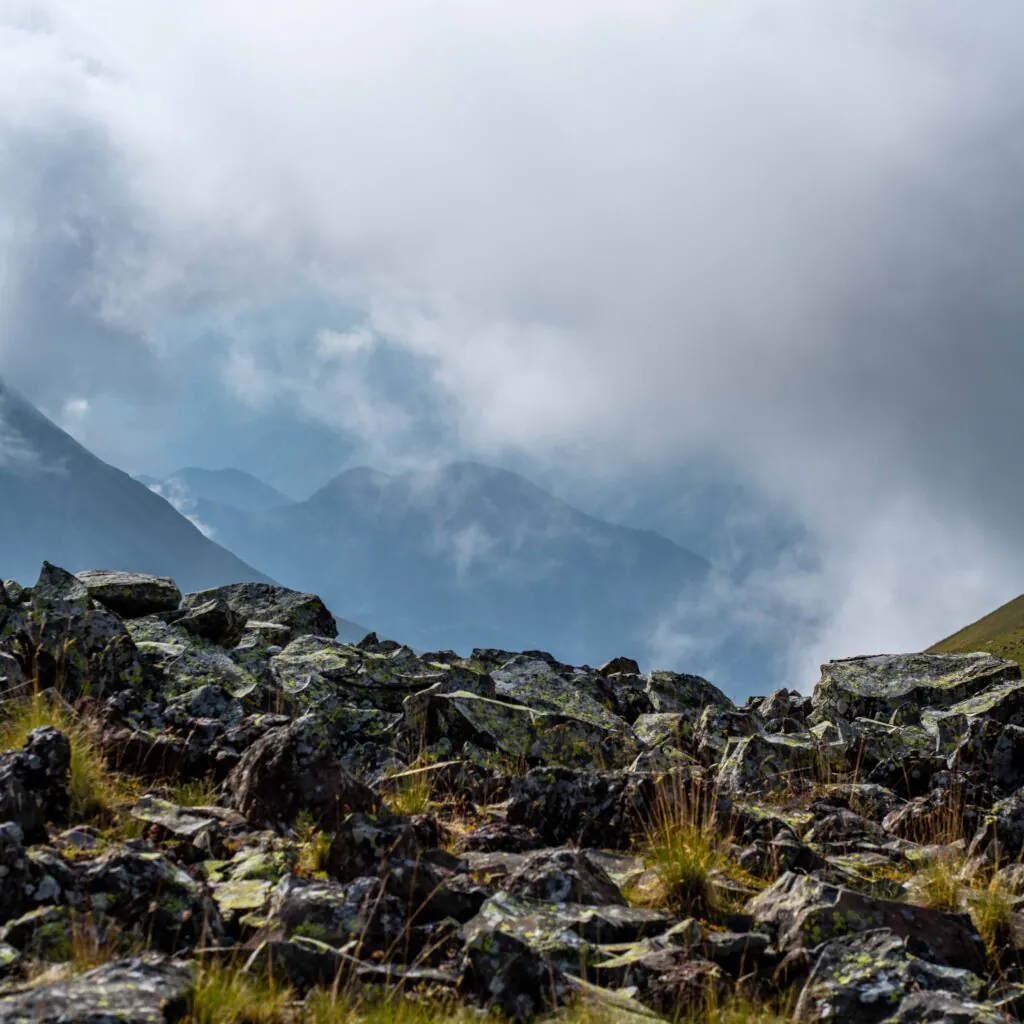
Mistake #1: "I go to the gym three times a week, so I can handle the mountain."
This is where most disappointments begin. Indoor endurance and altitude endurance are, excuse me, two different universes. On Mont Blanc, for example, the summit push begins late at night, while on Kazbek, the climb from the weather station to the summit is a climb of about 1,500 meters in one go, without proper rest, in the dark and cold. Squats and treadmills are of no help here.
What really works is long, one-day backpacking trips, preferably with real elevation gain, and climbing stairs at a steady pace, without stopping. The body needs to get used to moving for hours on end with a weight on your shoulders, rather than pushing yourself to the limit with short, intense bursts. Those who train with the "one hour in the gym and I'm ready" mentality usually learn the hard truth at around 4,000 meters—and on Mont Blanc, this is especially true, as the classic Trois Monts route itself requires far more endurance than the description suggests.
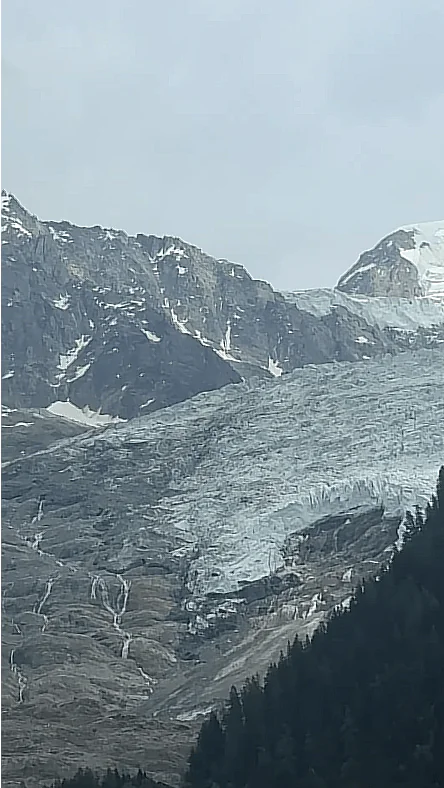
Mistake #2: Ignoring acclimatization because you don't want to waste time
This is perhaps the most common and most dangerous mistake. People arrive, see a beautiful mountain, and want to get as high as they can—and then wonder why they're struck by a terrible headache and nausea on the third day. The body needs time to adjust to the thin air, and this time can't be hastened by willpower.
A good program always involves a gradual climb: first a short walk, then an overnight stay at a higher altitude, then a daytime hike up to a higher altitude and a return to sleep. The formula is simple and age-old: "climb high, sleep low." Those who skip these days to save time or money often give up halfway to the summit—not because of fitness, but because of how they feel.
Incidentally, it's worth keeping in mind that the weather on Kazbek changes very quickly, and an extra day for acclimatization often turns out to be a spare day in case of bad weather during the assault window—and not just a precaution.
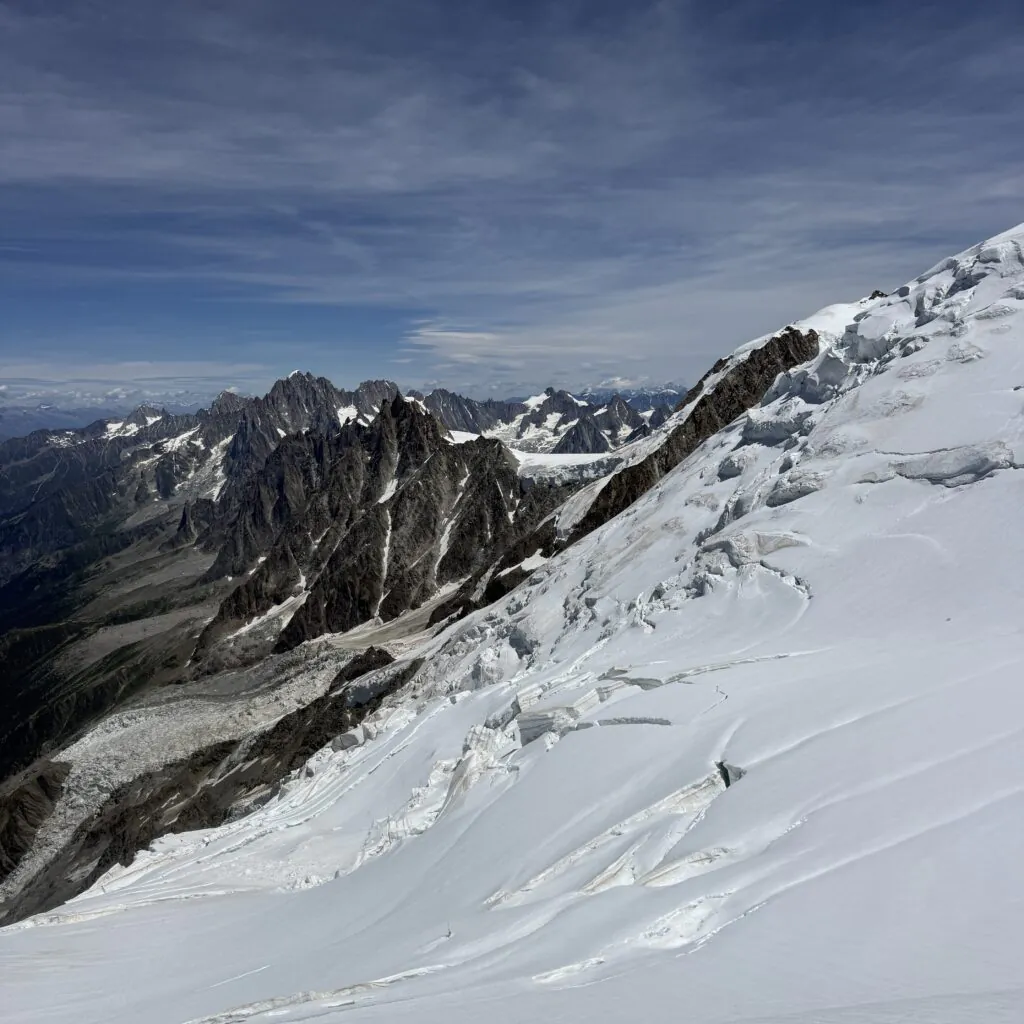
Mistake #3: Underestimating your gear—especially your shoes
This is where beginners almost always skimp, and almost always in vain. Regular trekking boots, while perfectly fine on the trail, are absolutely useless above the snow line—you need double-layered high-altitude footwear designed for severe frost. The same goes for gloves: wearing one thin pair of gloves for the entire day of an ascent guarantees frozen hands within a couple of hours.
The list of essential gear for a five-thousander isn't a wish list, but rather a list of requirements: crampons, an ice axe, a harness, layers of non-cotton clothing, glacier goggles, a headlamp with spare batteries, and a warm sleeping bag for overnight stays in a mountain hut. For those planning a Mont Blanc climb, there's a separate, detailed gear checklist from A to Z —it details literally everything, right down to the last-minute details that are often forgotten. Skimping on these items usually results not in saved money, but in a ruined climb.
Mistake #4: "I can handle it myself; I don't really need a guide."
This attitude is especially common among people with regular trekking experience—they think of a glacier as simply a snow slope that can be walked like a trail. In reality, a glacier changes every season, crevasses shift, and seemingly smooth snow can conceal a void. Walking on a glacier without a team or someone familiar with the current situation isn't courage, but a banal risk that's in no way justified for the sake of a beautiful photo.
A route guide isn't just a chaperone; they're the person who keeps the group's pace, reads the weather, and calls the shots when needed. And here's the important thing: if a guide decides to cancel or postpone an ascent due to weather, arguing with them or pressuring them is a bad idea. It's precisely these kinds of arguments that often lead to accidents.
Some people try to save money on this very point, refusing a guide to reduce their budget—but if you look at how much it actually costs to climb Mont Blanc , it becomes clear that the guide's work is not the largest expense, but the most important from a safety standpoint.
Mistake #5: Misjudging your condition – “I’ll endure it, it will go away on its own.”
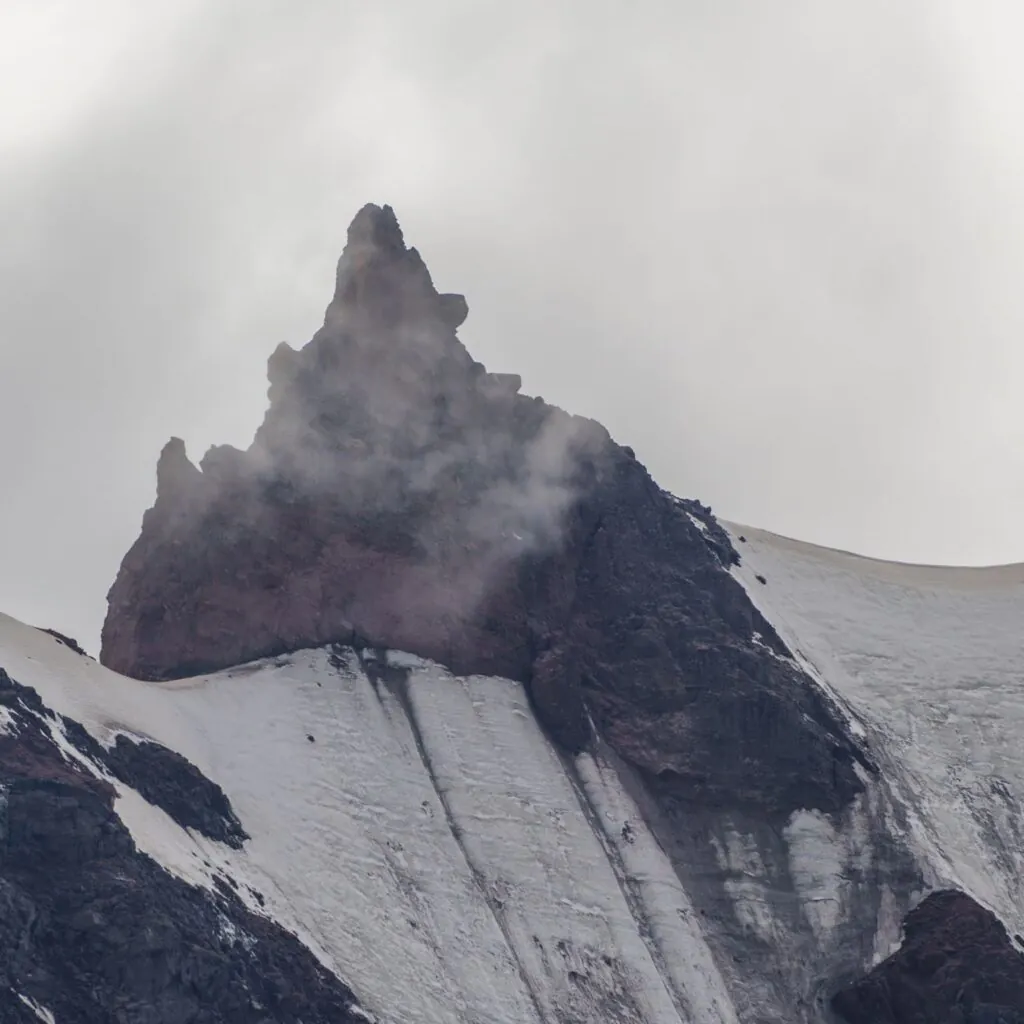
Headaches, nausea, and weakness at altitude are not something you can endure by sheer willpower. Mild mountain sickness can be treated with rest and drinking water at the same altitude, but if the condition worsens—unsteady gait, vomiting, confusion—the only correct course of action is immediate descent, and no summit is worth it.
The problem is that many newcomers are embarrassed to tell their guide if they're feeling unwell, afraid of appearing weak in front of the group. This is a shame—an honest conversation about yourself a day or two before the summit bid resolves the issue much more easily than the same problem at altitude, where help isn't always available.
Mistake #6: Underestimating the Descent
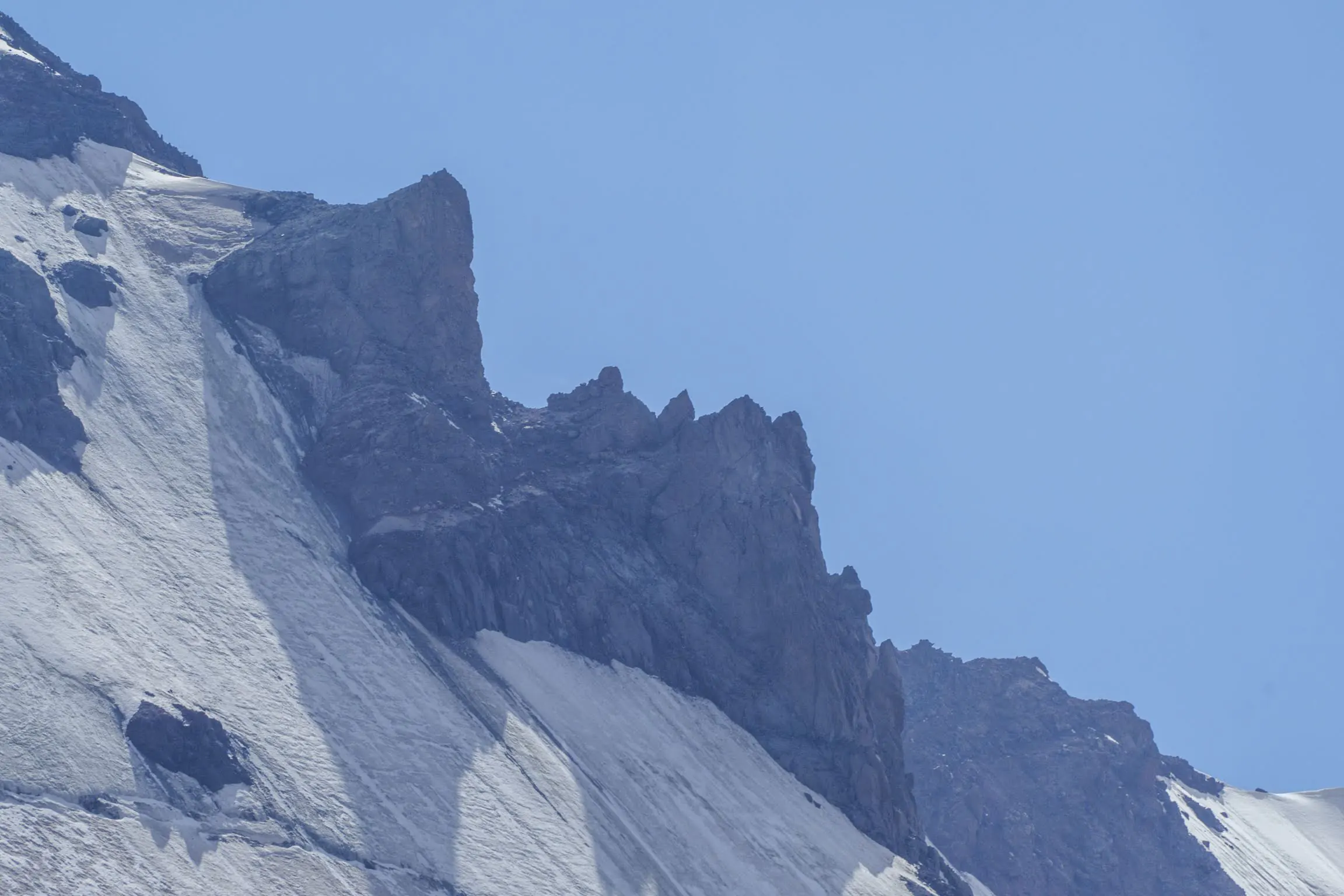
For some reason, people completely forget to think about the descent in advance. All their thoughts are on the summit, and yet it's on the descent, when their strength is exhausted and their concentration is failing, that most injuries and falls occur. Tired legs, weakened attention—and a person stumbles where they would have passed without looking on the climb.
You need to plan your ascent so that after reaching the summit you have some energy left over for the descent, rather than giving it your all for the sake of twenty minutes to take a photo at the top.
With the result that
On both Kazbek and Mont Blanc, beginners' mistakes are remarkably similar: overestimating their physical fitness without taking the altitude into account, rushing acclimatization, skimping on gear, overconfidence, and failing to honestly assess their condition. The mountain doesn't test your courage—it tests your preparation and common sense. And if you have both, your chances of reaching the summit and, more importantly, descending safely, increase dramatically.
And what's all this for, you ask? For those twenty minutes at the top, with the entire Caucasus Range beneath your feet—you can see for yourself what the view from the summit of Kazbek looks like to understand why it's worth preparing properly.


