
Tour de Mont Blanc: Everything you were afraid to ask about the trek around Western Europe's highest mountain
What is the Tour de Mont Blanc and why is everyone talking about it?
If you've ever Googled "the most beautiful trek in Europe," you've probably stumbled upon the Tour de Mont Blanc . It's also known as the Ring of Mont Blanc, the Tour du Mont Blanc, or simply the TMB. It sounds grandiose, but in reality, it's 170 kilometers of pure bliss through three countries: France, Italy, and Switzerland. No climbing, no ice axes, no "oh, Mom, I can't make it" moments. Well, almost none of that.
Let's figure out what this beast is, what it goes with, and whether it's even worth sweating it out with a backpack on your back for two weeks. Spoiler: it is. Absolutely worth it.
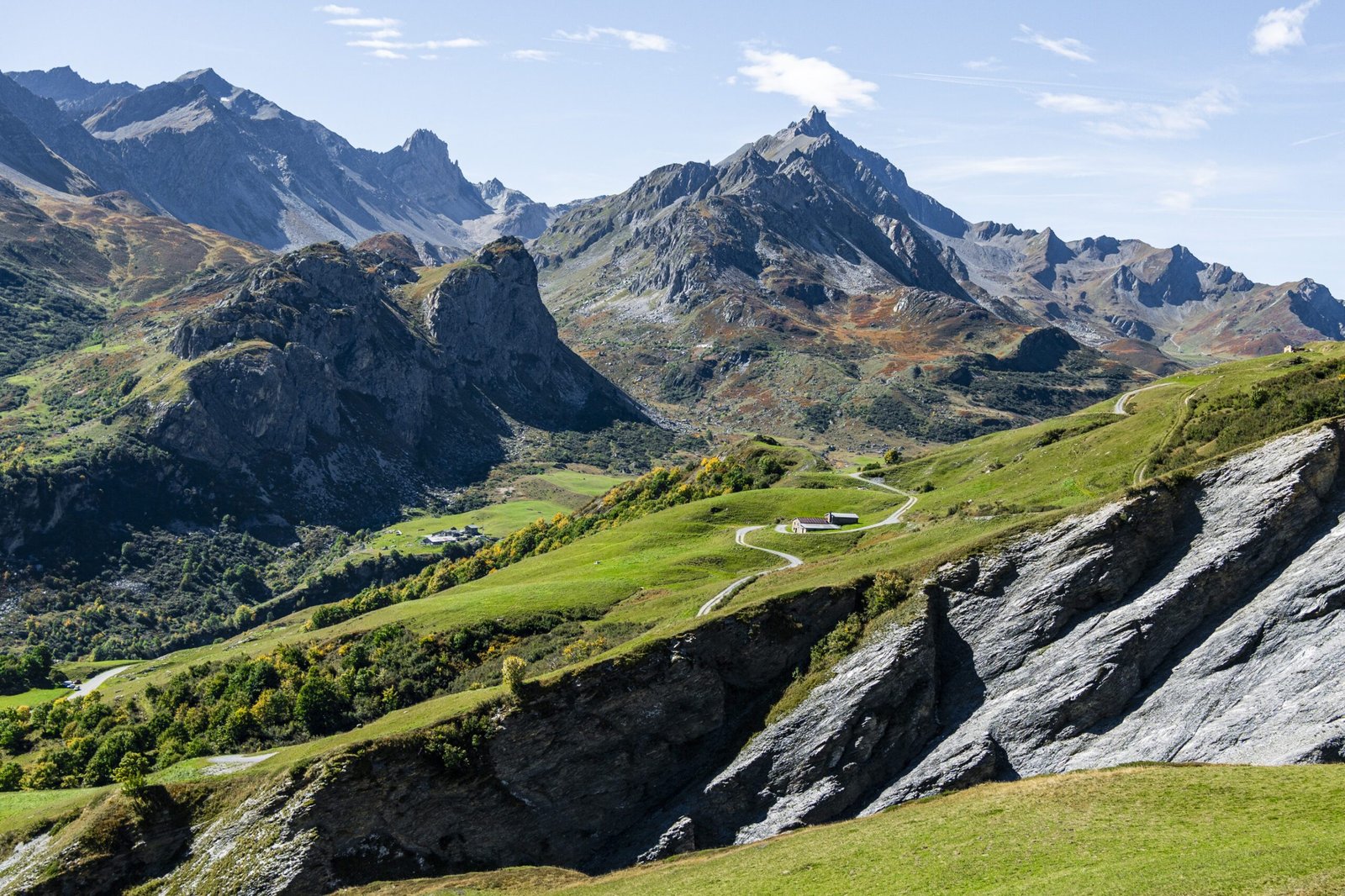
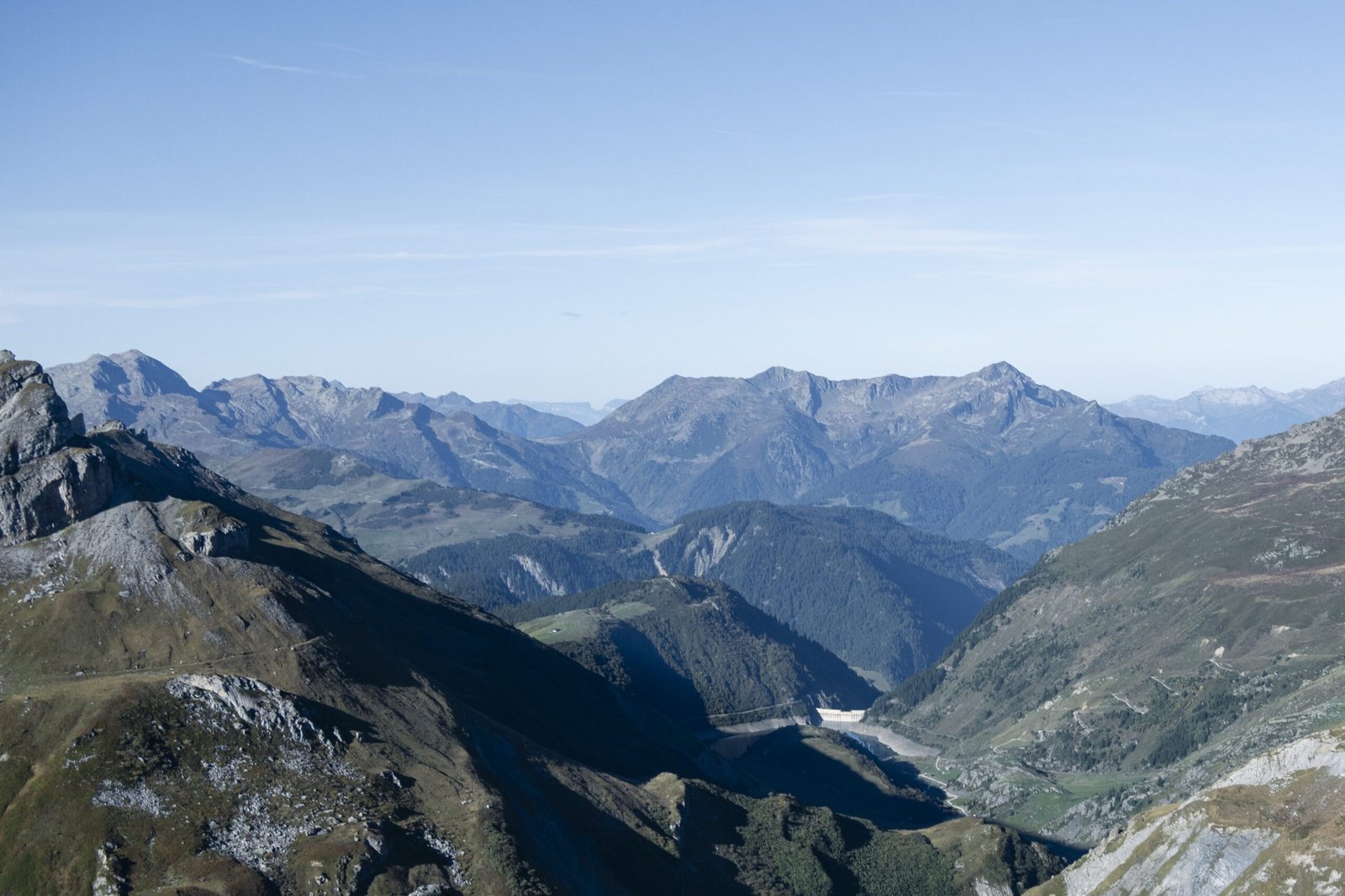
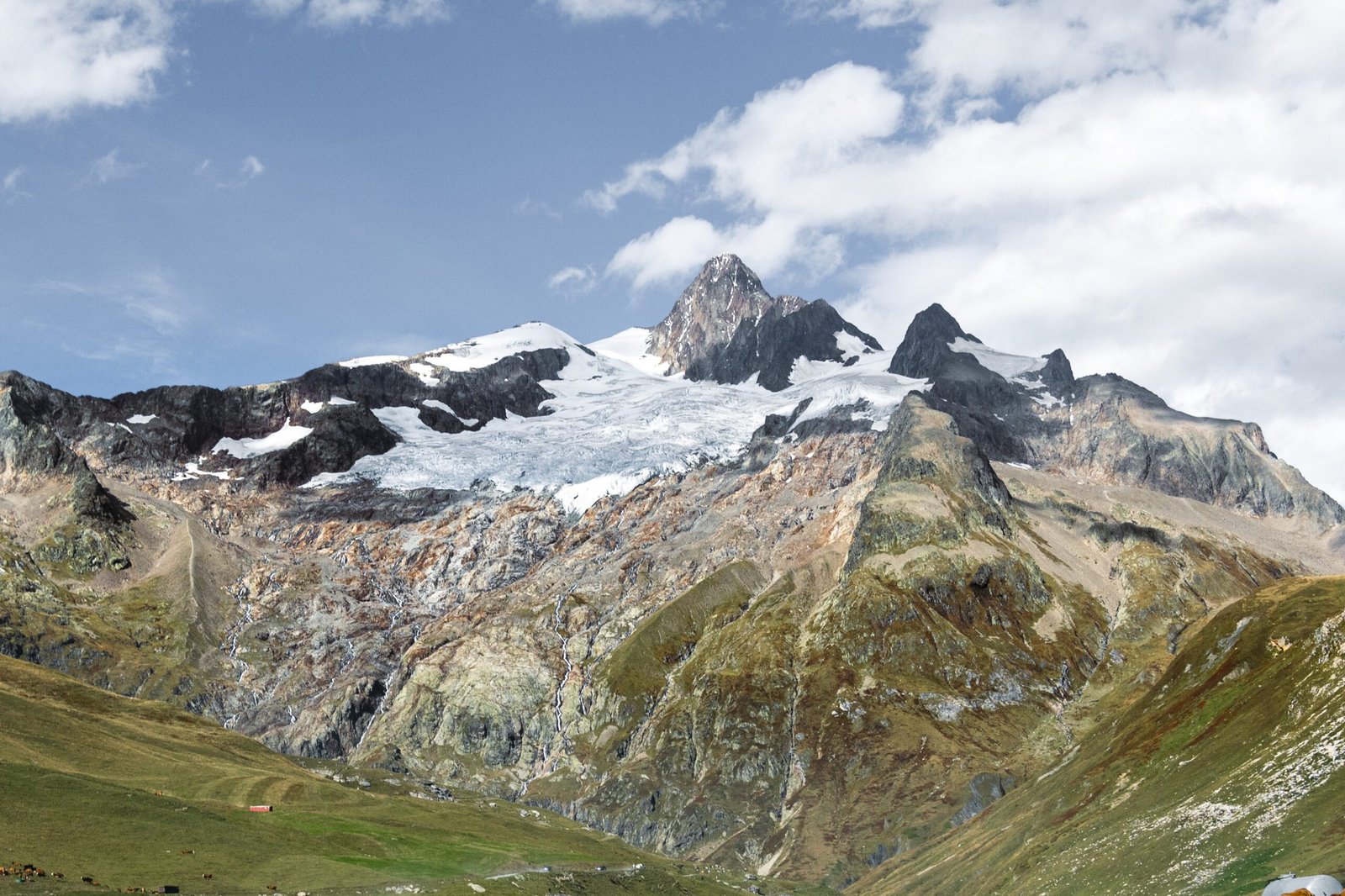
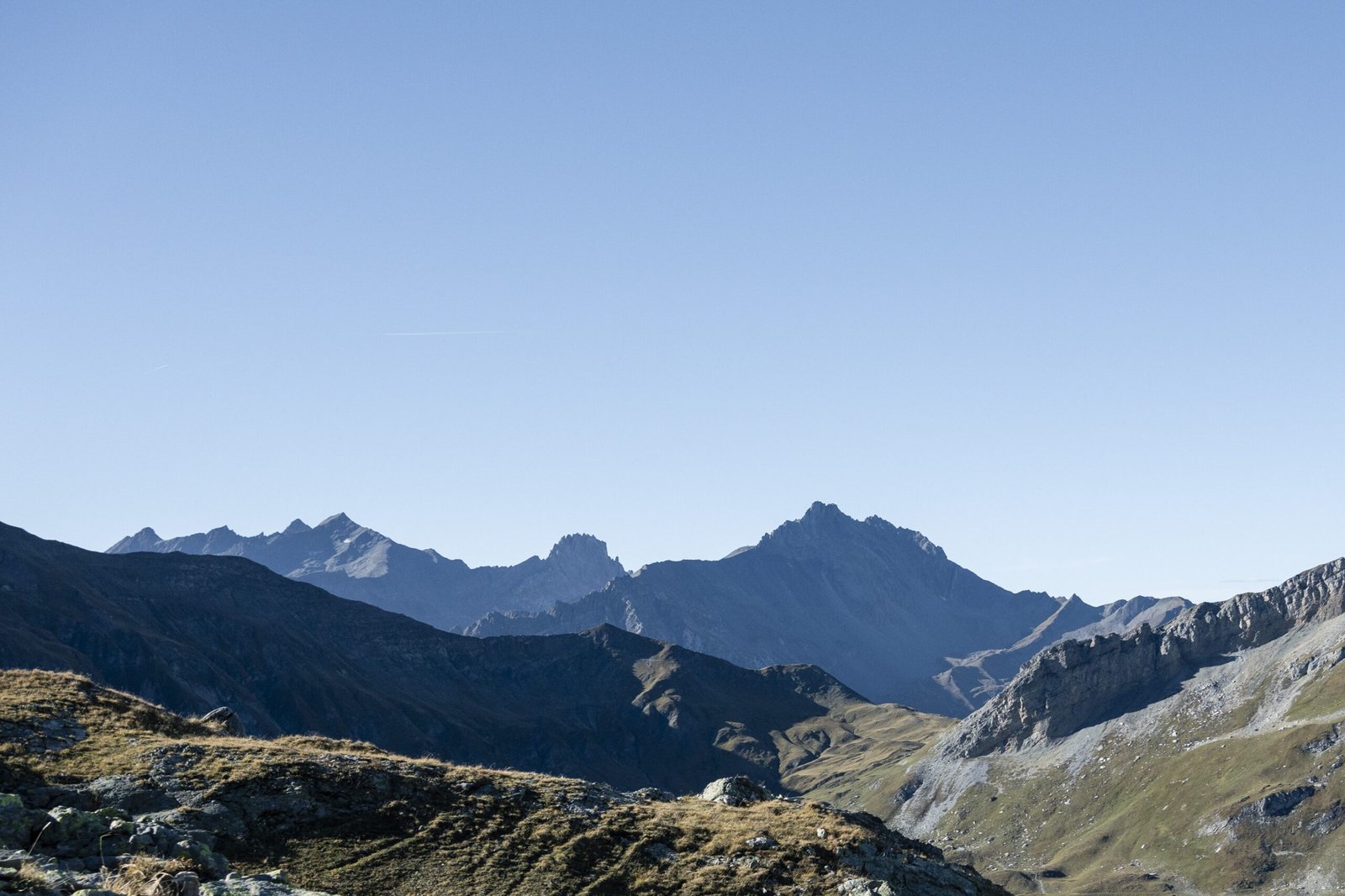
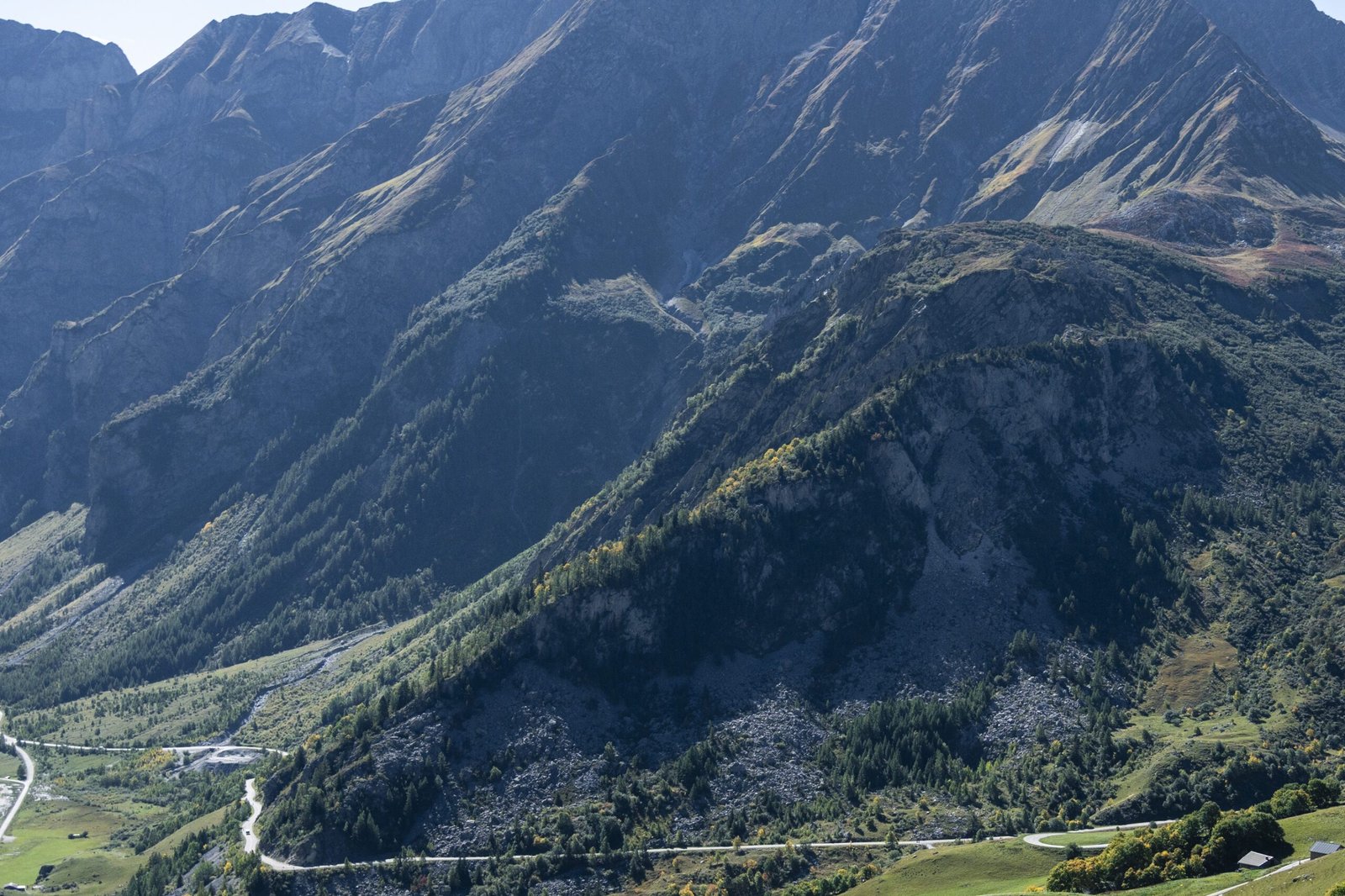
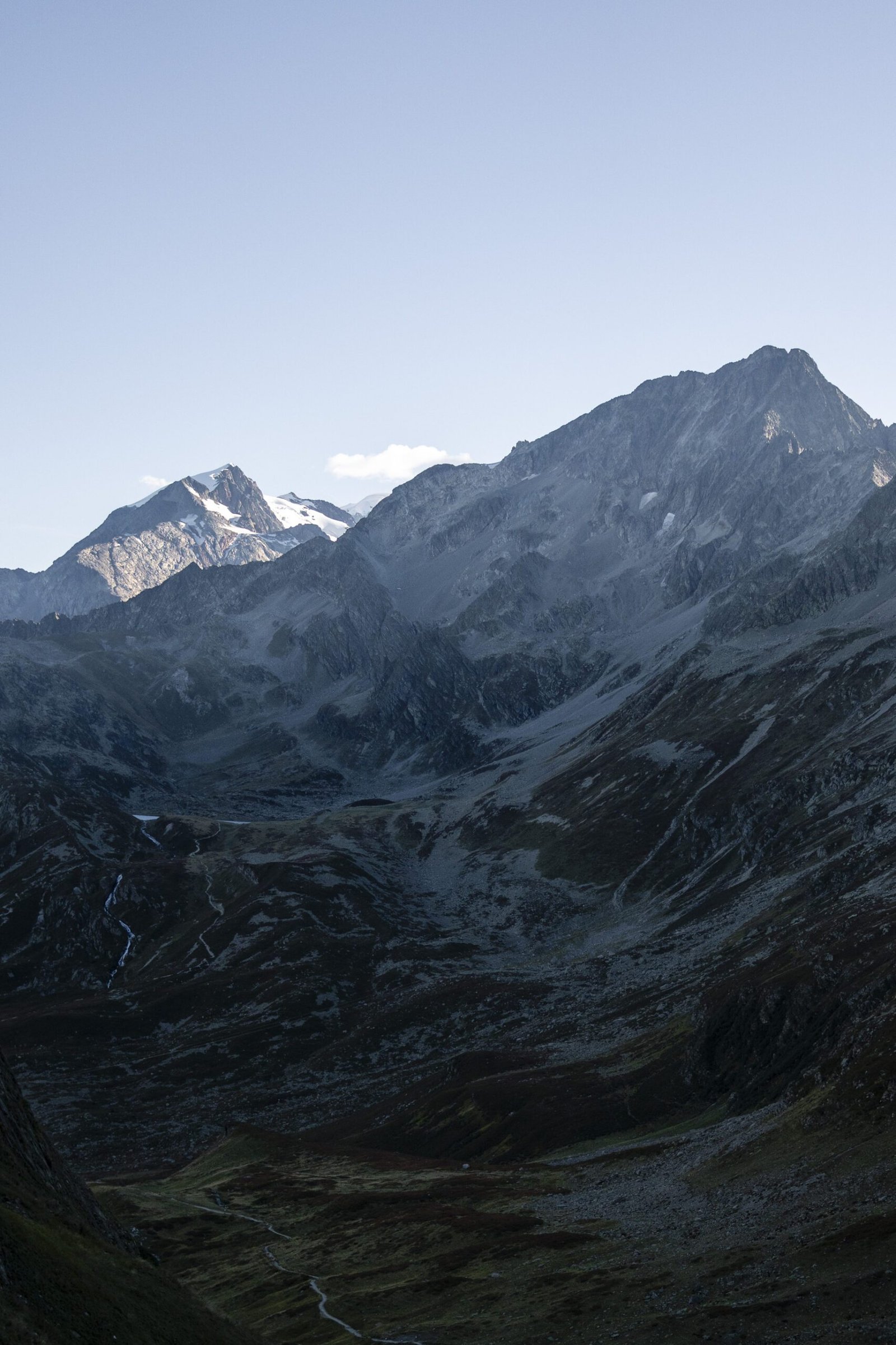
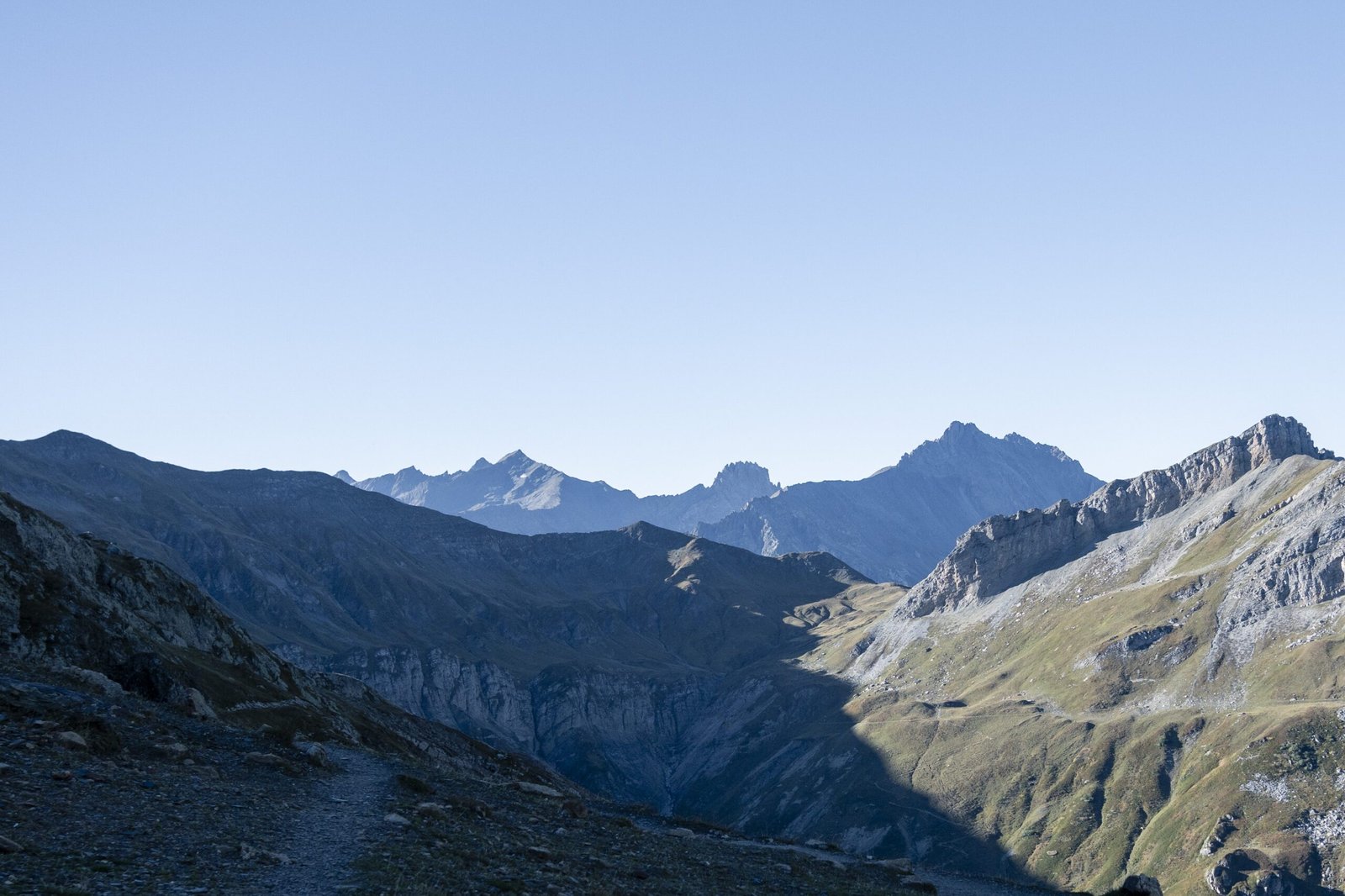
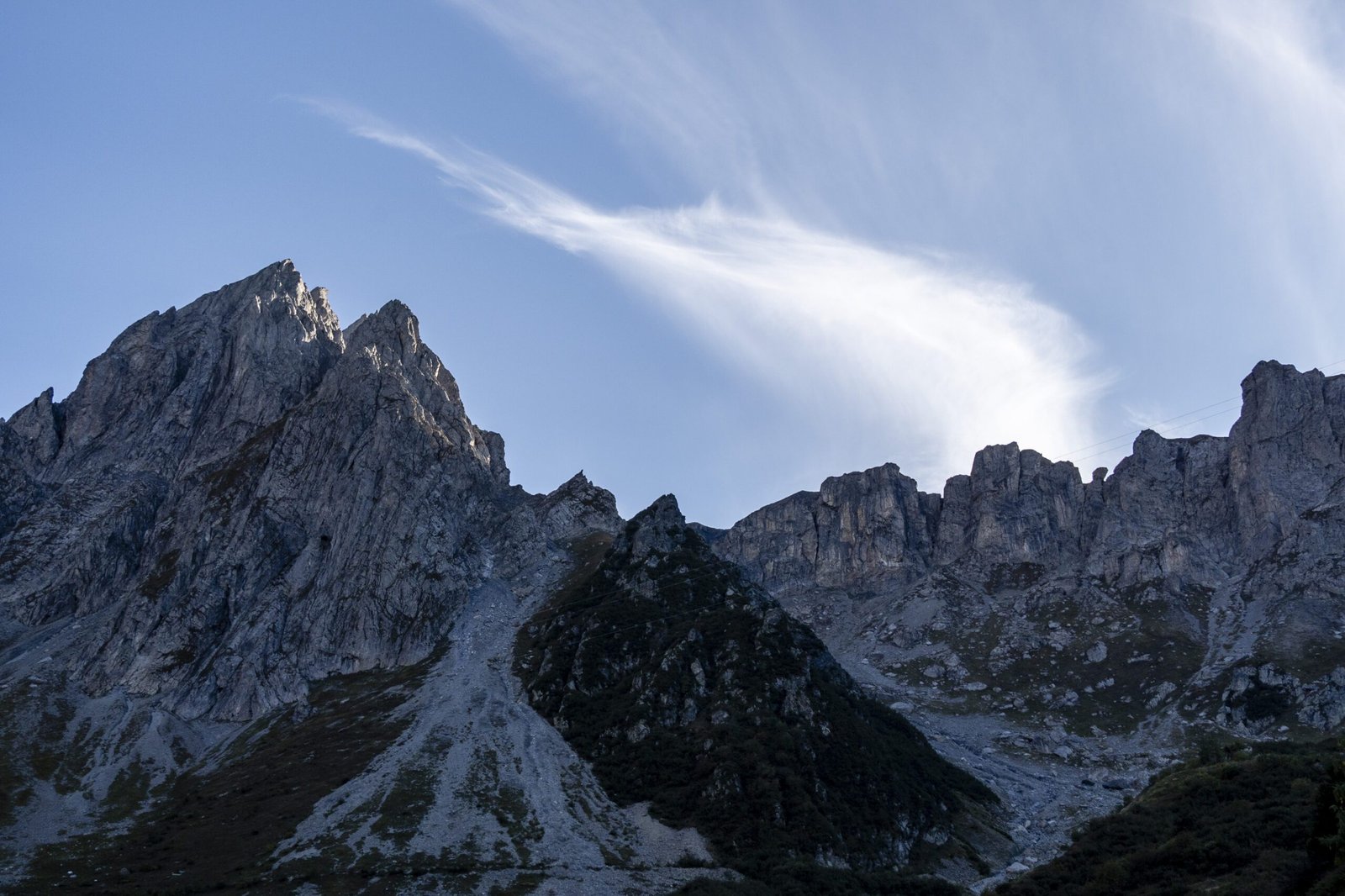
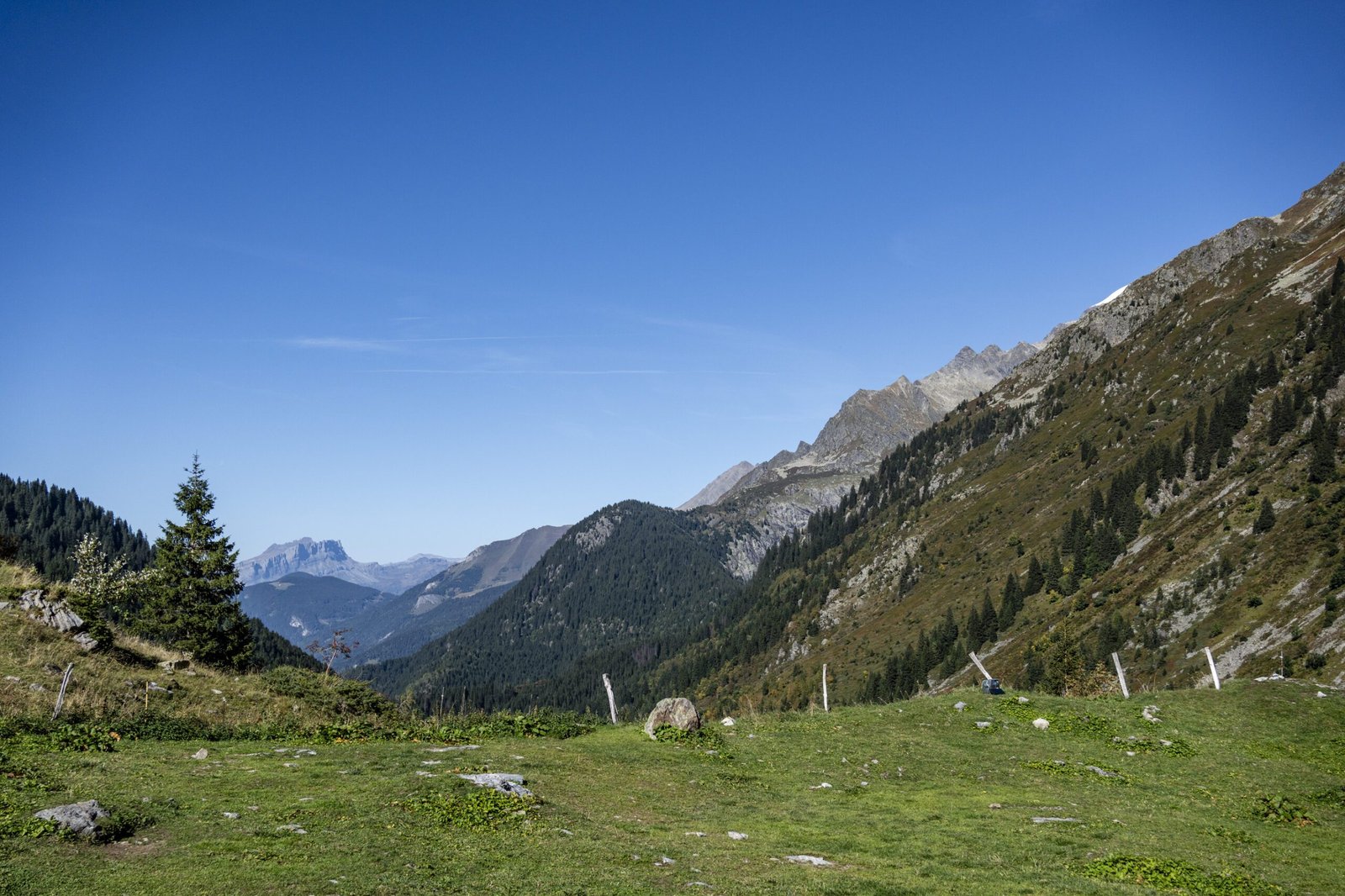
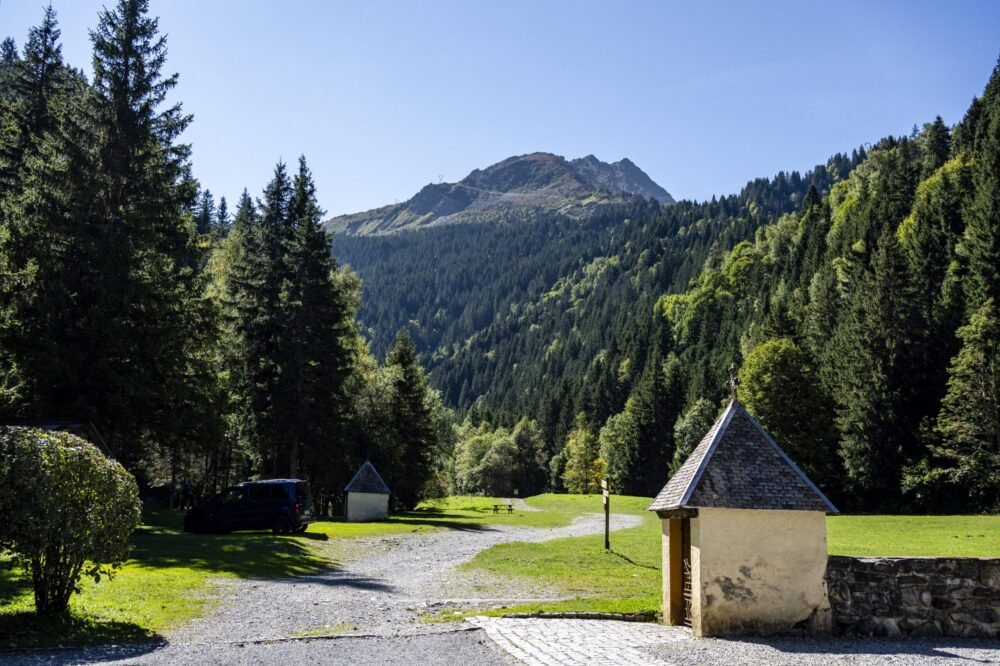
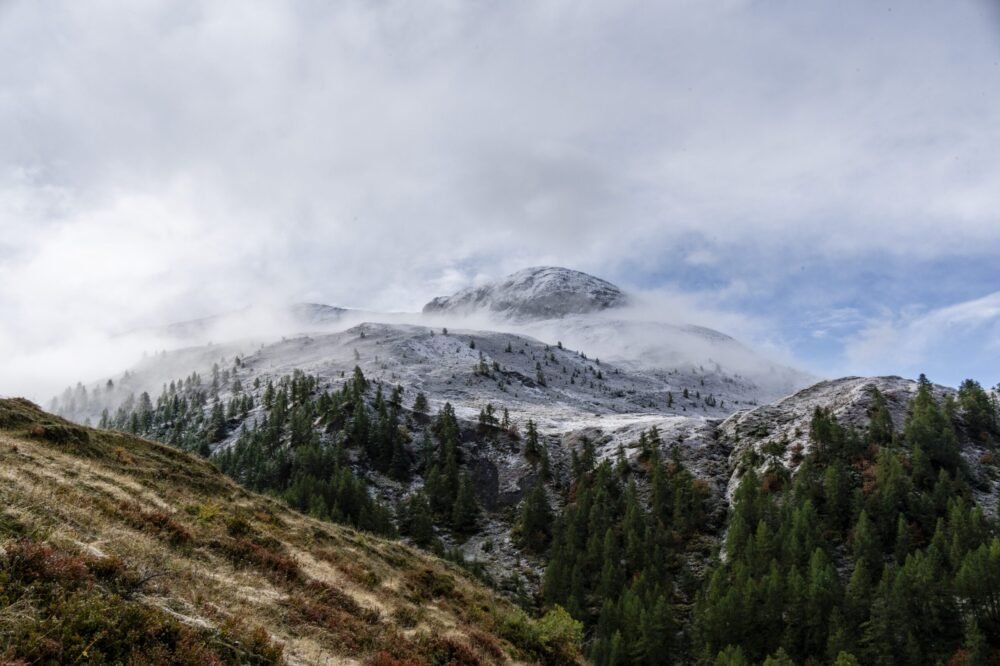
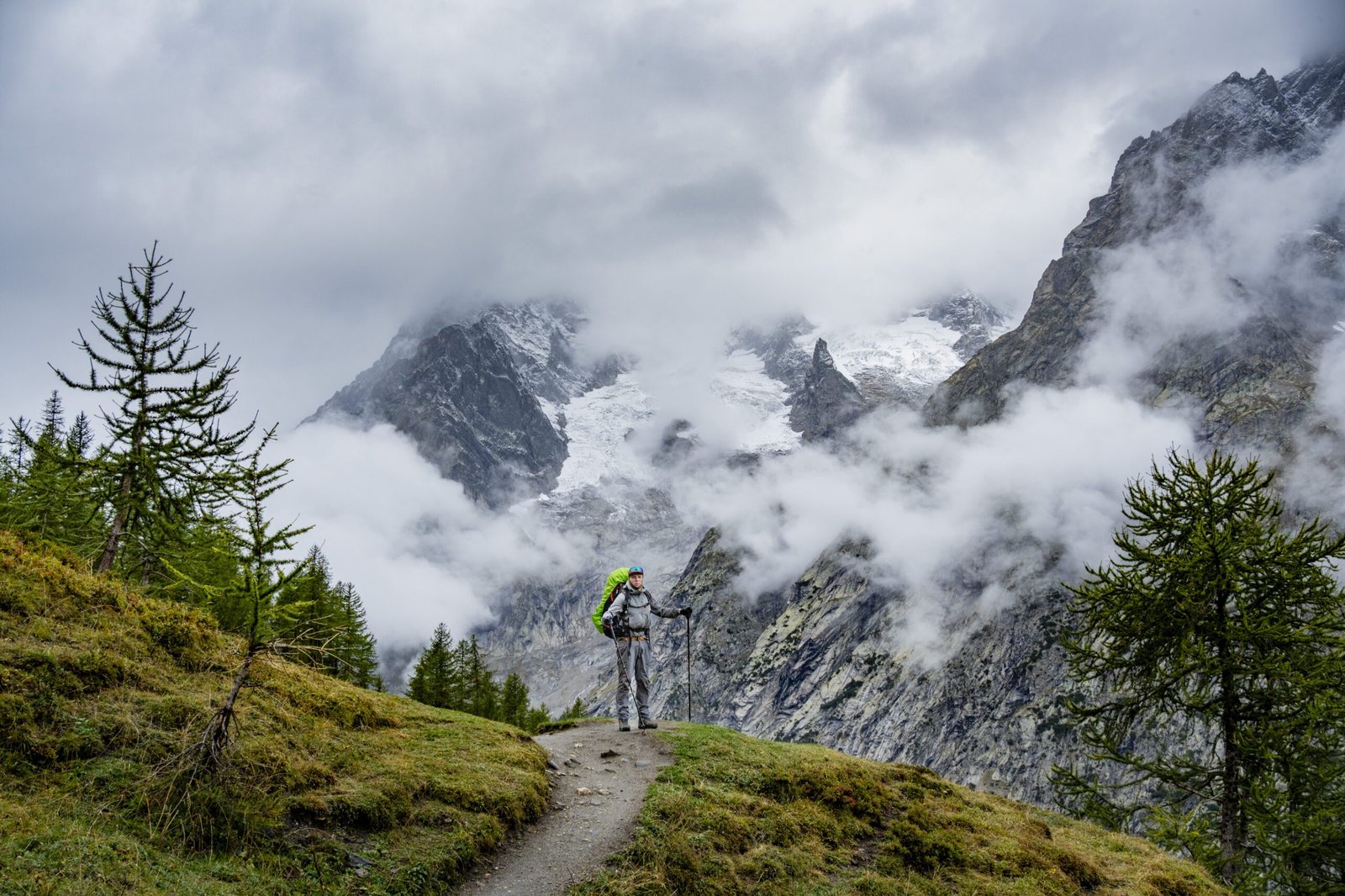
The Tour de Mont Blanc is a circular hiking route around the Mont Blanc massif. Western Europe's highest peak (4810 m) remains above you, while you trudge leisurely along at an altitude of 1500–2600 meters, admiring glaciers, alpine meadows, and breathtaking villages.
The route is fully marked, with signs at every intersection, making it difficult to get lost. Even if you're a first-time hiker, you'll be able to complete it if you're in good physical condition. Not alone, of course, but with a trekking tour , where the guide carries the head and you carry only the backpack.
How Long is the Tour de Mont Blanc? Distance, Elevation, and Realism
Let's get straight to the numbers, without further ado:
- Distance: about 170 km along the classic route
- Total elevation gain: about 10,000 meters (yes, you read that correctly—it's like Everest, but not all at once)
- Maximum altitude on route: 2584 m (Col de la Seigne pass, if no other options)
- Duration: 7-12 days depending on pace and weather
- Day transitions: 15–25 km with an elevation gain of 800–1200 m
Sounds scary? It's not. The first two days you get used to the backpack, on the third you're cursing everything, and by the fifth you've settled into a rhythm and feel like the King of the Alps. Your body adapts. The main thing is not to give up on the fourth day when your shoulders hurt. The shoulders will heal, but the memories will last a lifetime.
If you're unsure of your abilities, start with Kazbek to get a feel for the mountains and the challenges, and then move on to TMB.
When to go: Tour de Mont Blanc season
The TMB season runs from mid-June to the end of September. However, there are some nuances within this window:
| Month | Weather | crowds | Verdict |
|---|---|---|---|
| End of June | It's cool, the meadows are blooming | Little | Ideal for introverts |
| July | Warm, thunderstorms possible | A lot of | It's ok, but you have to book a month in advance. |
| August | It's hot, there are thunderstorms | Lots of | Only if there are no other options |
| Beginning of September | Stable, golden autumn | Moderately | Best time |
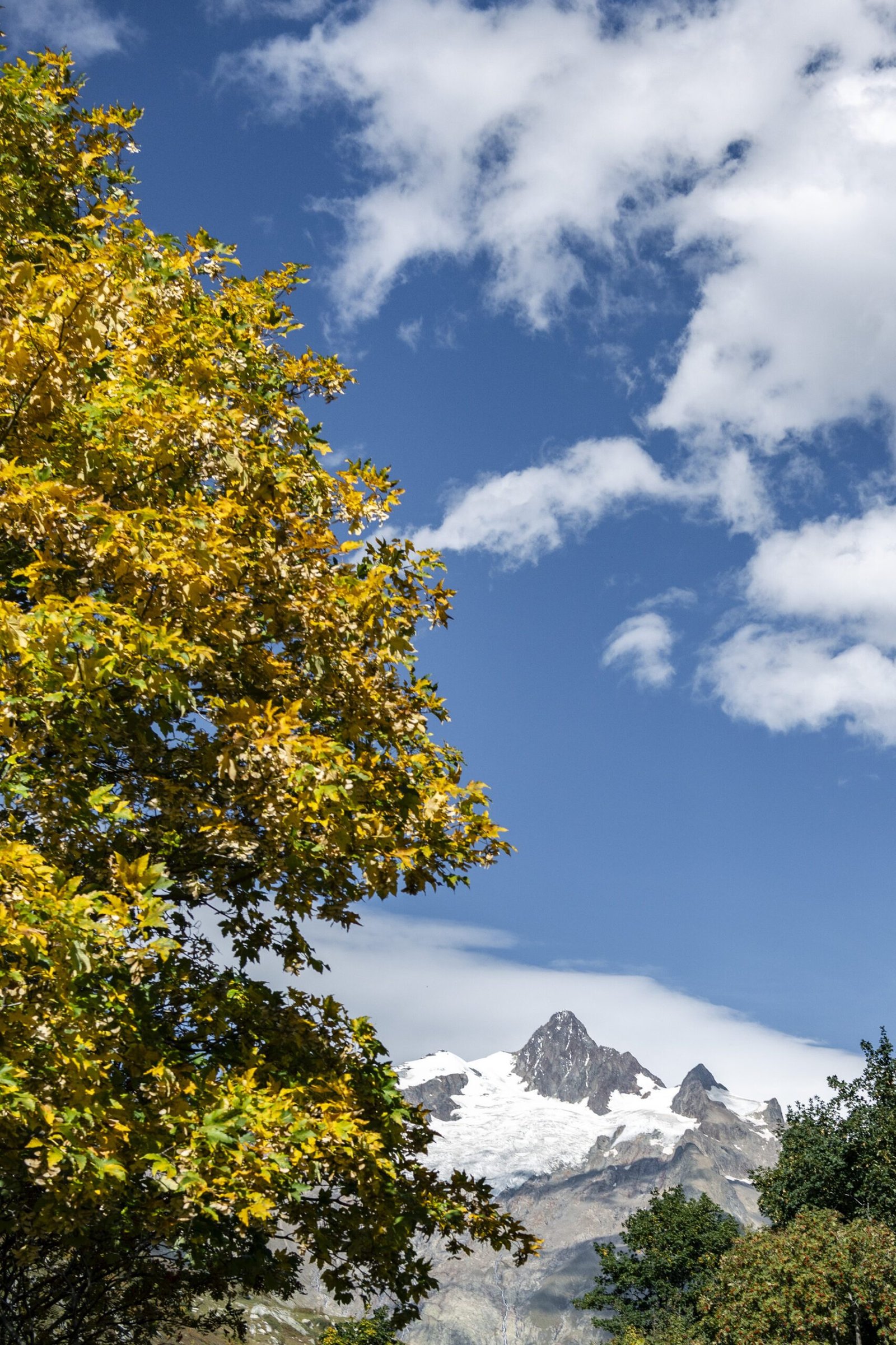
Personal advice: if you can, go in the first half of September. The weather is fair, the leaves are starting to turn golden, there are noticeably fewer crowds, and there are places in the shelters. And flights to Geneva are cheaper than in August.
PVD Club is running the 2026 Tour de Mont Blanc during these windows: June, July, August, and September. You can choose what's most convenient.
Daily itinerary: from France to Switzerland and back
The classic route runs counterclockwise, starting from Les Houches near Chamonix. Here's what it looks like if you follow the 11-day schedule (which is the format used by PVD Club):
🇫🇷 French stage (days 1–3)
Starting in Les Houches, the climb through pine forests to the Col de Voza pass. Then comes Les Contamines, green valleys, and the first major pass, the Col de la Croix du Bonhomme. By the end of the third day, you're in France, but your feet are almost in Italy.
🇮🇹 Italian stage (days 4–7)
Cross the Col de la Seigne, and you're in Italy. This is where the most beautiful parts begin: the Val Veny valley with its views of the southern face of Mont Blanc, Courmayeur with its coffee and pasta, and the Grand Col Ferret, after which you find yourself in Switzerland. Tip: in Courmayeur, be sure to get an authentic Italian espresso and homemade pasta. You've earned it.
🇨🇭 Swiss stage (days 8–11)
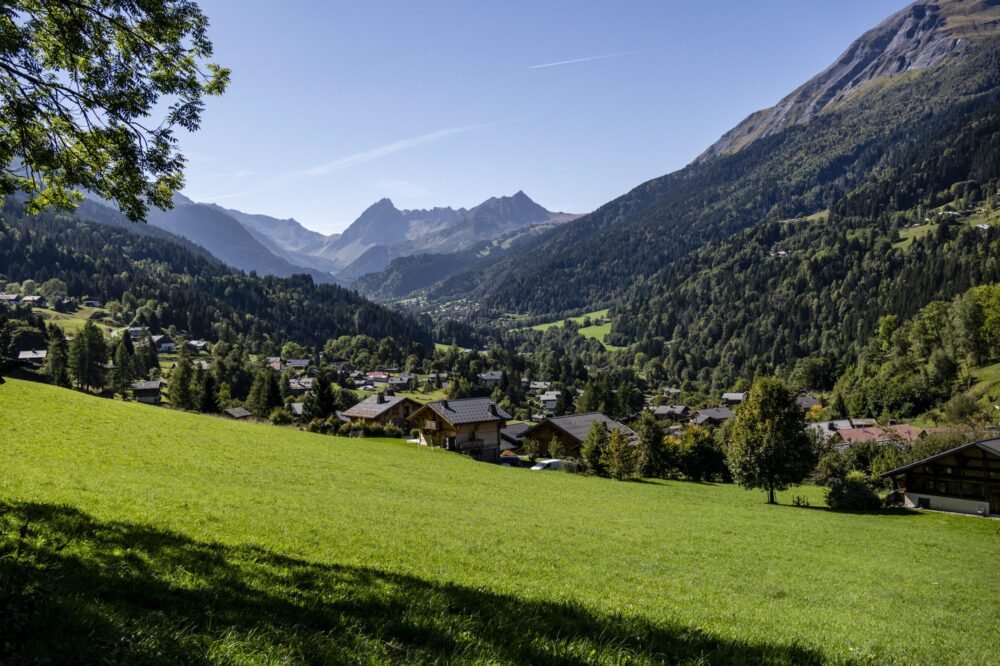
Switzerland greets you with pastoral landscapes, cowbells, and noticeably higher prices. The trail leads through Champex-Lac, past the Trient glacier to the Col de Balme, from where France is once again visible. The final stretch is the Le Brevent traverse with a panoramic view of the entire Mont Blanc massif, and the descent back to Les Houches. Done.
A detailed description of each day, with details on overnight stays and altitude gains, is available on the PVD Club Mont Blanc Tour page.
How difficult is trekking around Mont Blanc?
In short: technically - easy, physically - moderately difficult.
You won't need crampons, ice axes, belay, or climbing skills. TMB is trekking, not mountaineering. You're walking along the trail. But you're walking for 10 days straight with a 10-15 kg backpack. This is the main challenge: not the pass, but the fourth day in a row.
What you need to be able to do:
- walk 6–8 hours a day
- climb and descend with a difference of 800–1000 m
- carry a backpack (yes, it will be heavy, deal with it)
- Don't whine when it rains (it's going to rain anyway)
It's best to prepare 2-3 months in advance: weight-bearing walking, jogging, and squats. Nothing too extreme. If you hike 15+ km at least once a week, you'll likely be able to complete it without any problems. If you've only ever walked from the lift to your car, it'll be tough, but your guide will be there to help. You don't need to worry about altitude sickness : the maximum altitude of TMB is 2600 m, which is far from symptomatic.
Equipment: What to take and what to leave at home
The most important rule right away: pack light. You'll curse every extra kilogram on your back by the third pass. Here's a list of what you really need:
- 👟 Shoes. Membrane-lined trekking boots (Gore-Tex or similar). Worn-in, not new. Wearing new boots for 170 km is hell.
- 🎒 Backpack. 60–70 liters. Anything less and it won't fit, and anything more will tempt you to pack too much.
- 🧥 Clothes. Three layers based on the "onion" principle: thermal underwear, fleece, and a membrane jacket. Trekking pants (one for the hike, one for the evening at the shelter).
- ☔ Raincoat. Required. In the Alps, the weather can change in 15 minutes. Sunny, foggy, rainy, sunny again. That's normal.
- 🦯 Sticks. Take them. Telescopic, lightweight. Your knees will thank you.
- 🛌 Sleeping bag. If you're going with a tent, set it to 0°C. If you're staying in shelters, a lightweight liner will suffice.
- 💊 First aid kit. Minimum: callus plasters, painkillers, elastic bandage, stomach acid.
A complete backpack packing guide is here . It's detailed, right down to how many socks to take (spoiler: at least three pairs).
Where to sleep: shelters, tents, and harsh reality
There are three options for overnight accommodation on the TMB:
- 🏠 Mountain shelters (refuges). The most popular option. Shared rooms, showers, dinner, and breakfast. Book in advance—in July and August, rooms are booked out a week in advance.
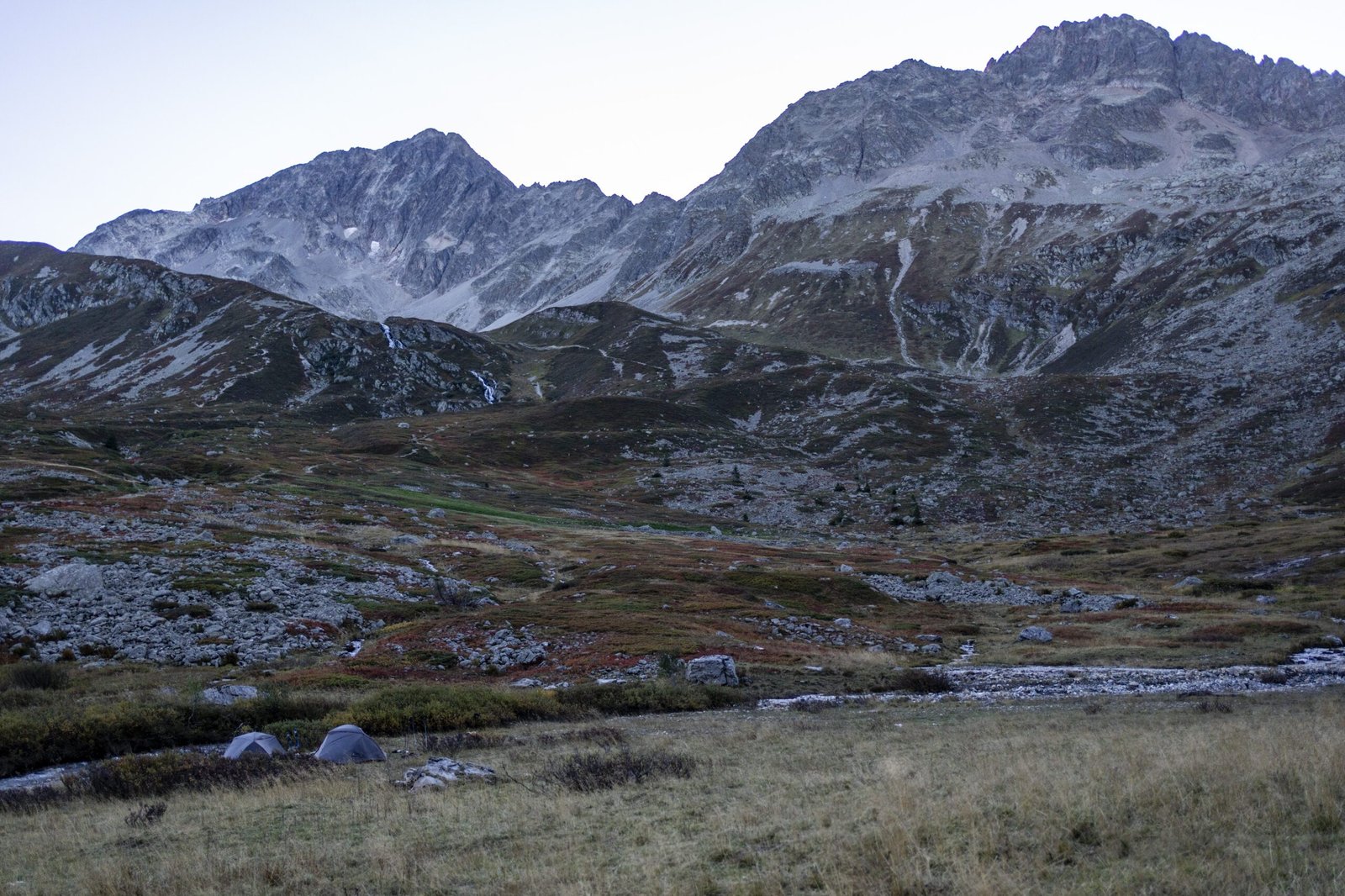
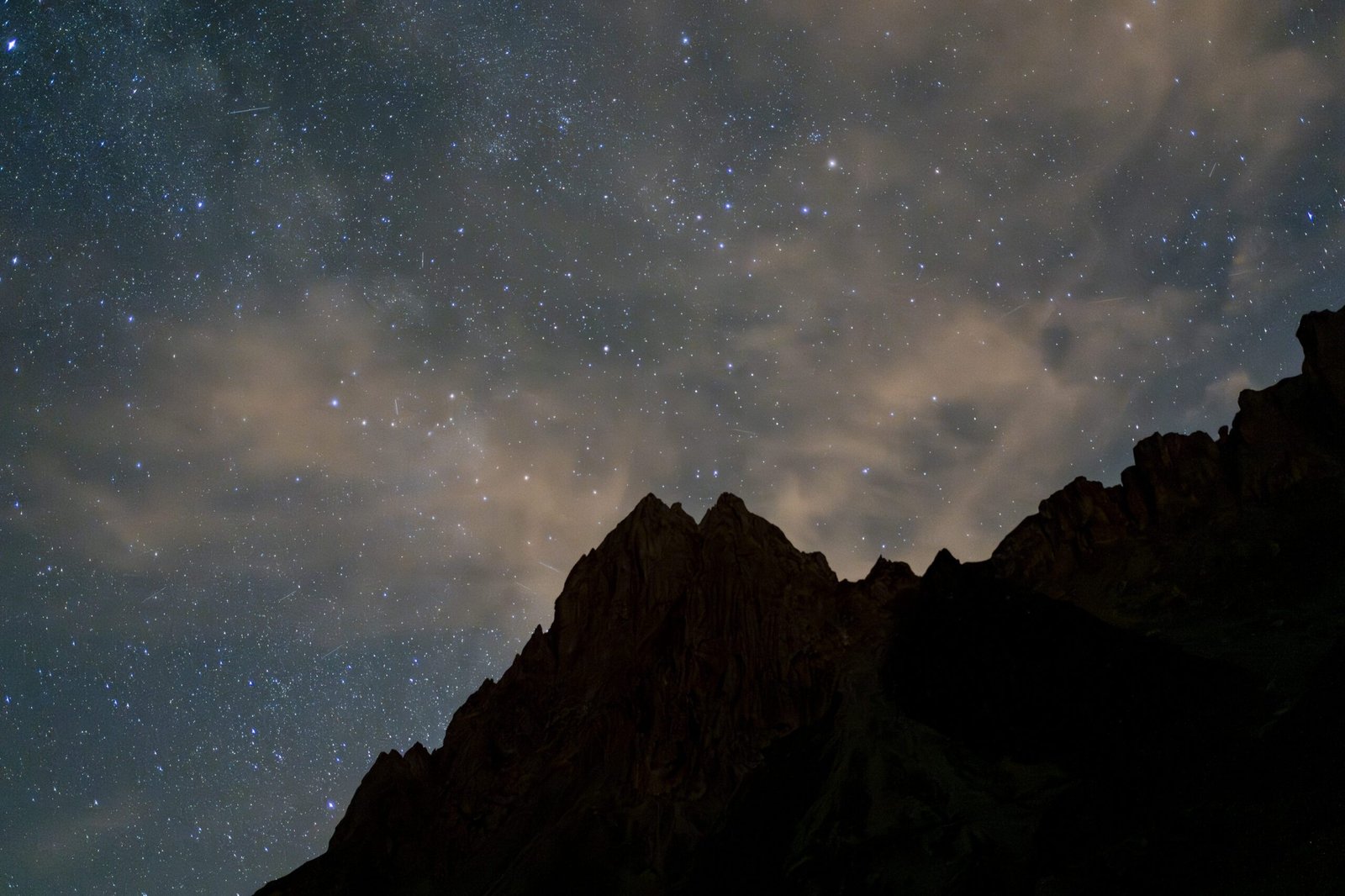
- ⛺ Tents. PVD Club practices exactly this format: a trek with tents, some nights spent in equipped campsites, others in the wilderness. Hot showers, dinner cooked on a wood-burning stove, and the stars above.
- 🏨 Hotels. There's a luxury option—with luggage and overnight stays in hotels in neighboring villages. But the route will be different, and the atmosphere won't be the same.
We're all for camping. Yes, it's harder, but it's moments like these that really make you feel like you're in the mountains, not in a hotel with a view of the Alps.
What else to see near the Tour de Mont Blanc
If you have a spare day before or after your tour, here's what to do:
- 🏔️ Chamonix — the capital of mountaineering. Stroll around the city, take the cable car up to the Aiguille du Midi (3842 m), and drink mulled wine in the square.
- 🍝 Courmayeur — Italian side. Wine and fontina cheese tasting, panoramic views of the southern face of Mont Blanc.
- ⛲ Geneva — it's an hour's transfer away. If you've never been there, it's worth stopping by for the fountain and chocolate.
If you're from Georgia or planning a trip there, check out our guide to Tusheti or rent a minivan in Georgia . The TMB and the Caucasus make a great summer tandem.
Frequently asked questions about the Tour de Mont Blanc
How much does a tour around Mont Blanc cost?
The price depends on the format. A trek with tents and the PVD Club costs between €1000 and €1500, including a guide, meals, equipment, and camping. Overnight stays in huts and transportation are extra. The final budget for 10–11 days is €1500–€2000, including flights.
How to get to the start of the Tour de Mont Blanc?
The nearest airports are Geneva (1 hour by car), Lyon (2 hours), and Milan (2.5 hours). From Geneva, there's a direct bus to Chamonix (Flixbus or local). PVD Club usually organizes group transfers from Geneva for all tour participants.
Can a beginner complete TMB?
Yes, if you're in reasonable shape. You need to be able to walk for six hours a day with a backpack. If you start walking on hills or on a treadmill with an incline two to three months before the tour, you won't have any problems. The route is technically simple; endurance is key.
When is the best time to trek around Mont Blanc?
The first half of September. The weather is stable, fewer tourists, the foliage is golden, and the temperature is comfortable. June is green and blooming, but rain is possible. August is the busiest month.
Do you need a visa for the Tour de Mont Blanc?
Russians and citizens of CIS countries require a Schengen visa (or multiple-entry visa). The route covers three Schengen countries: France, Italy, and Switzerland. Any Schengen visa with a minimum validity period for the travel dates is acceptable.
What to do with mobile communication on the route?
There's not always a connection. It usually works at mountain passes and shelters. But be prepared to be without internet for 40-50% of the route. And that's a good thing. For emergency communications, bring a charged phone and a 20,000 mAh power bank.
So is it worth going?
Look. If you're reading this and thinking, "Damn, I want to, but I'm afraid," you're not alone. TMB is intimidating with its length and numbers. But the truth is, 95% of people who make it (and almost everyone does) say the same thing: "Why didn't I do this sooner?"
This isn't about suffering. It's about the morning when you crawl out of the tent and see the glacier in front of you, bathed in rosy light. It's about Italian pasta at the hut after eight hours of walking. It's about conversations around the campfire with people who've become friends over the week. It's about the feeling when you just sit at the finish line and look at the mountains, and no words are needed.
The Tour de Mont Blanc isn't a checkpoint on your "100 Things to Do Before You Die" list. It's a reboot, leaving you a different person. Or at least with some great Instagram photos.
Ready?
🗓️ Select tour date

