
The best time to go on the Tour de Mont Blanc in 2026
The optimal time to embark on the Tour du Mont Blanc (TMB) in 2026 is when the Alps reveal their full splendor: snow-free high passes, vibrant landscapes, stable weather, and minimal daily downpours. This legendary loop—widely regarded as one of Europe’s (and the world’s) most stunning and varied multi-day treks—circles the Mont Blanc massif through France, Italy, and Switzerland, delivering an unforgettable mix of dramatic scenery and cultural immersion.
Here’s why mid-summer through early autumn stands out as the prime window, along with details on the unique format offered by PVD Club and why their carefully chosen 2026 dates maximize comfort, safety, and memorable moments.

Why the Tour du Mont Blanc deserves a spot on your bucket list
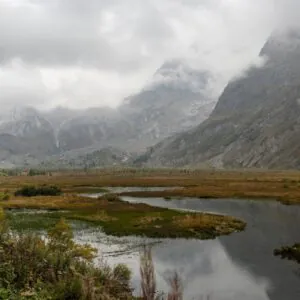
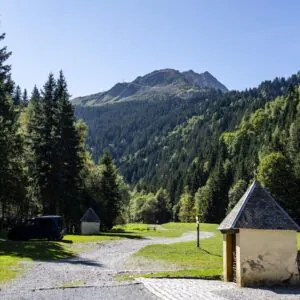
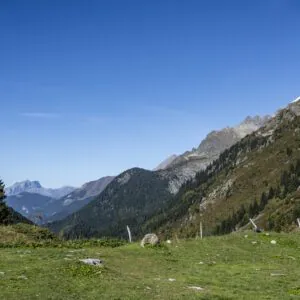
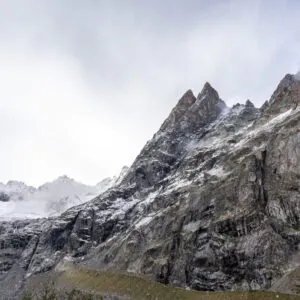
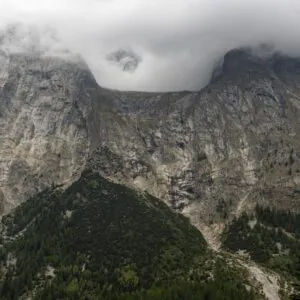
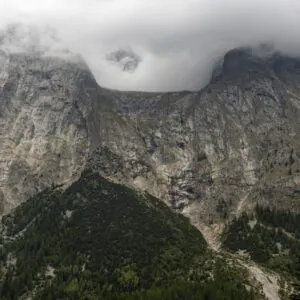
Picture spending 10 days traversing three countries on foot. Each stage unveils fresh vistas: gleaming glaciers under intense sunlight, carpet-like alpine meadows bursting with wildflowers, challenging passes overlooking Western Europe’s highest peaks, charming hamlets, and herds of cows grazing in pristine pastures (a true Swiss hallmark).
The route weaves through distinct cultures: in France, pizza might raise eyebrows, while Italy reveres pasta and espresso, and Switzerland maintains picture-perfect order down to the smallest detail. Far more than a simple backpacking trip, it’s a genuine cultural and sensory journey where every day brings new discoveries.
PVD Club’s distinctive take on the TMB
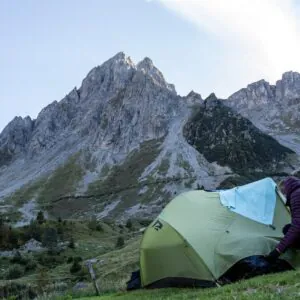
Unlike the conventional hut-to-hut version with nightly refuge stays and restaurant dinners, PVD Club runs a true wilderness-style expedition with tents. Roughly five nights are spent in well-equipped campgrounds (showers, toilets, and kitchens available), while three nights involve wild camping beside streams or in secluded valleys—surrounded solely by mountains, star-filled skies, and profound silence.
This format suits those craving an authentic alpine experience: no crowds, complete freedom, and self-reliance. The group carries its own food and shared gear, freeing everyone from refuge booking constraints and fixed schedules.
The sweet spot: mid-July through late September
For the most comfortable, scenic, and predictable TMB experience—especially in a tent-based format—experienced trekkers, guides, and thousands of past hikers consistently rate mid-July to the end of September highest for weather, trail conditions, and overall enjoyment.
Here’s a breakdown of why this period shines:
Clear, dry trails and safe, open passes By mid-July, snow has melted from the major cols (Grand Col Ferret at 2,537 m, Col de la Seigne at 2,516 m, Col du Bonhomme at 2,329 m, etc.). In June or early July, large snowfields often remain, sometimes requiring crampons, careful traverses, or detours—adding risk and fatigue. From July onward, paths stay dry, rocks provide solid footing, and progress feels confident and enjoyable. For tent campers, avoiding snow struggles is crucial to focus on the views rather than route-finding challenges.
Peak wildflower displays and autumn colors July and August showcase the classic alpine spectacle: emerald meadows blanketed in deep-blue gentians, pink rhododendrons, yellow poppies, and white edelweiss, buzzing with insects and framed by grazing cattle against icy backdrops. By September, blooms fade but golden larch trees and honey-toned grasses take over, creating warm, glowing scenery. Many who trek in September call it one of the most photogenic and peaceful periods—soft light, frequently clear skies, and magical shots of Mont Blanc.
Long daylight hours for relaxed pacing In July–August, sunrise comes early and dusk arrives after 9–10 p.m., giving ample time to cover 15–18 km, select a scenic campsite, pitch tents in daylight, cook dinner, and relax under the stars or watch the mountain glow at sunset. Even in late September (dusk around 7:30–8 p.m.), there’s still enough light for comfortable stages if you start promptly.
Stable, walker-friendly weather Valley daytime temperatures typically range from +20°C to +28°C (occasionally touching +30°C in August), while passes stay pleasantly cool at +10°C to +18°C—perfect for hiking in light layers without overheating. Nights drop to +5°C to +12°C, comfortable inside a quality sleeping bag. Showers occur (the Alps are mountainous, after all), but they’re usually brief afternoon thunderstorms lasting 30–60 minutes, followed by sunshine. September often ranks as the driest month: fewer rains, crystal-clear air, and near-daily unobstructed views of Mont Blanc and its glaciers.
What about June or October?
- June: Gorgeous with abundant flowers and fewer people, but high passes frequently hold hazardous snowfields. Some sections demand special equipment, and many campgrounds or services remain closed—making it riskier for self-supported trips.
- After mid-September: Nights grow colder (approaching 0°C), days shorten noticeably, campgrounds begin closing around September 15–20, and early snow becomes possible at altitude. Reliability drops for tent-based adventures.
PVD Club intentionally schedules all 2026 departures within this proven optimal window: snow is reliably gone, meadows are at their best (blooming or golden), weather is cooperative, and facilities are open. No second-guessing about closed passes or freezing nights—just pure enjoyment.
Why choose PVD Club for your 2026 TMB adventure?
We skip the crowded refuge circuit in favor of genuine backcountry immersion: wild riverside camps, fireside dinners (where permitted), and total independence from bookings or busy huts. Our guides know every twist of the route intimately, adapting pace, detours, and plans to suit weather and group energy, always with backup options ready.
Meals are hearty, nutritious, and delicious (home-cooked, vegetarian-friendly, with plenty of meat and high-energy snacks). Group transfers from Geneva are seamless, and we handle communal gear plus campground reservations—so your pack stays manageable, leaving room for good spirits and awe at the Alps’ finest angles.
Spots fill quickly—many return year after year and bring friends. If you’re ready for an uncompromising 2026 Tour du Mont Blanc packed with peak impressions, reach out now to secure your place in the best season window. We’re looking forward to seeing you in the mountains!
PVD Club’s 2026 Tour du Mont Blanc dates
These departures are timed to hit prime conditions while dodging the absolute height of crowds (though July–August remains naturally busy as peak season):
- June 22 – July 4
- July 5 – July 17
- July 18 – July 26 (shorter but intense variant)
- August 1 – August 13
- August 16 – August 23
- September 6 – September 17
All groups start in Geneva (airport or bus station) with direct shared transfer to Chamonix—hassle-free from the very beginning.
In short: PVD Club delivers a real self-sufficient trek—not a mass-market refuge hop—with delicious food, true alpine freedom, and ideal timing so you simply savor the experience rather than endure it. If you’re up for the challenge and want to witness Mont Blanc at its most breathtaking, drop us a message. Places go fast—see you in the Alps in summer 2026!


