Why the Chaukhi Pass Trek Belongs on Every Hiker’s List
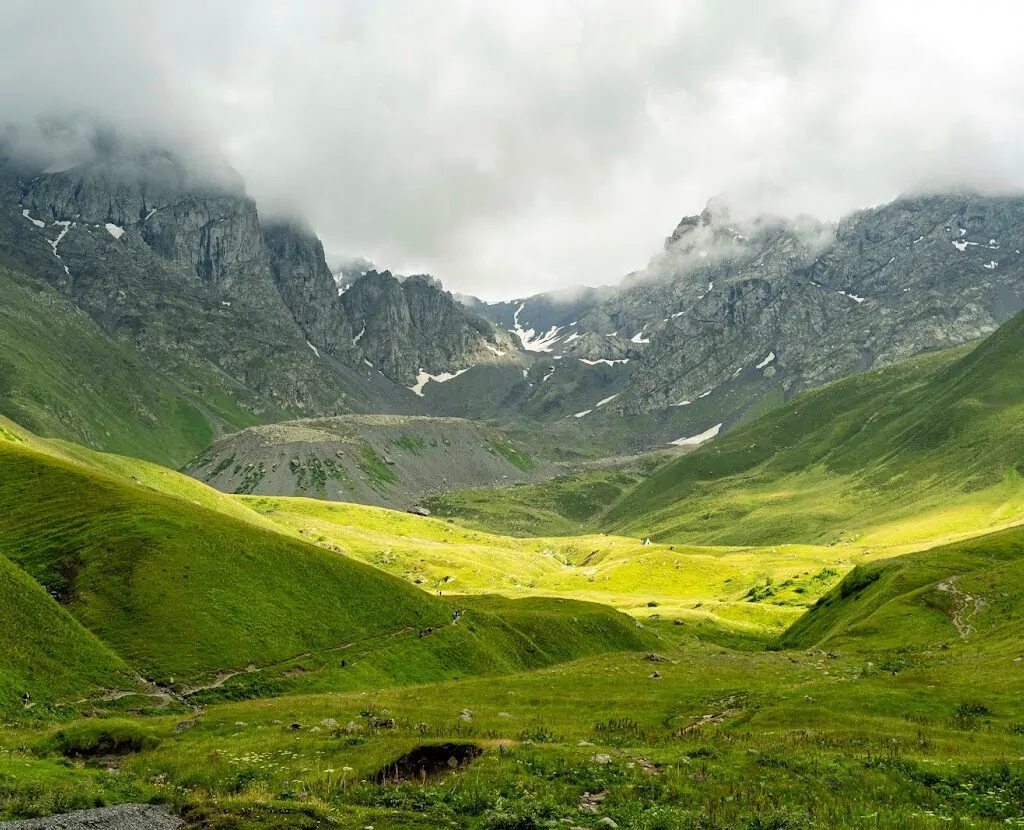
Let me tell you about a place where the Caucasus Mountains show off like they’re posing for a magazine cover. The Chaukhi Massif near Juta village is a collection of jagged, tooth-like rock spires that look so dramatic, locals and travelers alike call them the «Georgian Dolomites.» And honestly, the nickname fits. If you squint on a clear day, the resemblance to the Italian Dolomites is uncanny.
But here’s the thing about the Chaukhi Pass trek. It’s not just about staring at pretty rocks. It’s a proper mountain hike that takes you over a 3,340-meter pass, through alpine meadows, past glacial lakes in three different colors, and into one of Georgia’s most beautiful remote valleys. And the best part? You can do it in a weekend if you’re fit and motivated.
I’ve done this route a few times now, and it keeps pulling me back. So let me break down everything you need to know to tackle the Chaukhi Pass trek yourself.
Getting to Juta: The Starting Point
The adventure begins in Juta, a small village perched at about 2,200 meters in the Greater Caucasus, not far from the better-known town of Stepantsminda (you might know it as Kazbegi). Getting here from Tbilisi is straightforward but takes most of a morning.
First, hop on a marshrutka from Didube bus station to Stepantsminda. These run regularly and the ride takes about three hours. From there, you’ll need a taxi for the last 30 kilometers up a winding gravel road into Juta. Expect to pay around 60-80 GEL for the taxi ride. The road isn’t terrible but it’s bumpy, so hang on.
Fair warning: the last stretch before Juta is a proper dirt road with some steep sections. In wet weather, it gets interesting. But the views climbing up the valley make it worth every rattle.
The Chaukhi Massif: Georgia’s Dolomites
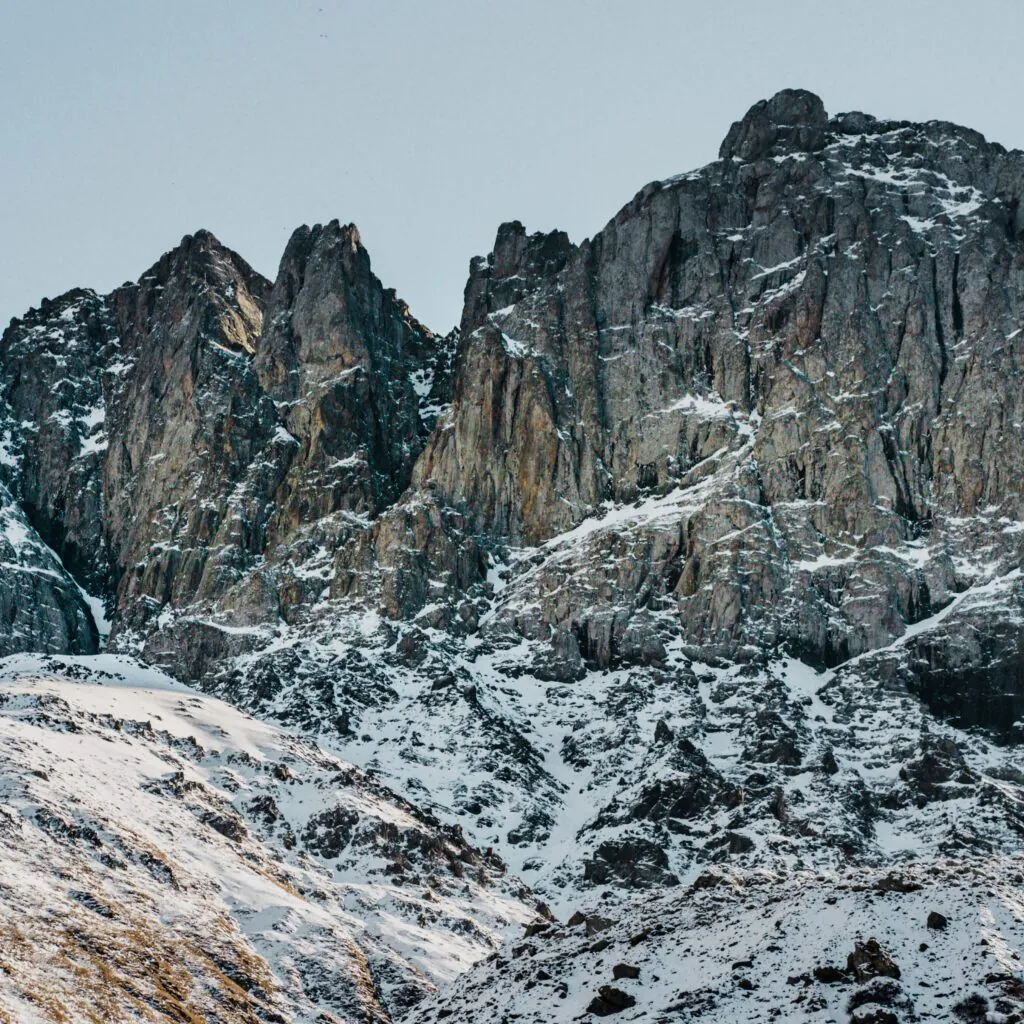
As you approach Juta, the Chaukhi Massif comes into view and it’s one of those «wow» moments. Seven sharp peaks rise like a row of dragon teeth against the sky, the tallest hitting 3,842 meters. Unlike the rounded, green hills you see elsewhere in the Kazbegi region, Chaukhi is all bare rock and vertical drama.
Geologists will tell you it’s volcanic tuff and andesite shaped by glaciers over millennia. I’ll tell you it looks like nature decided to build a cathedral out of stone and just stopped halfway. Either way, it’s stunning.
This is the kind of scenery that makes you stop every fifteen minutes to take another photo. And the light changes constantly, so every hour gives you a different view.
Here’s a quick look at the Juta-Chaukhi area from a recent PVD Club trip. The video gives you a real sense of the terrain and the scale of these peaks. It was a freeride ski tour, but the mountains look just as impressive in summer.
The Chaukhi Pass (3,340 m): The Climb
Here’s where the work starts. From Juta village, you follow the river valley east, climbing steadily toward the pass. The trail is well-marked for the most part, but I still recommend having an offline map on your phone (Maps.me or Organic Maps work great here).
The climb to Chaukhi Pass takes about 4-5 hours depending on your pace. You’ll gain roughly 1,100 meters in elevation, which is no joke. The last section before the pass is a series of switchbacks that’ll test your legs and your lungs, but the reward at the top is absolutely worth it.
Standing at the pass, you look back at the Chaukhi spires behind you and forward into the lush Abudelauri Valley ahead. On a clear day, you can see all the way to Mount Kazbek. This is one of those moments that makes you forget how much your knees hurt.
The Descent: Into Abudelauri
The other side of Chaukhi Pass is a steep descent into the Abudelauri Valley. The trail drops sharply through meadows and scree, losing about 700 meters over a few kilometers. Trekking poles make a huge difference here. Your knees will thank you.
As you descend, the landscape changes completely. The bare rock of the pass gives way to green grass, wildflowers, and eventually the three Abudelauri Lakes. If you’ve read our detailed guide to Abudelauri Lakes and the trek from Tusheti, you already know what’s coming. But seeing them from the Chaukhi side gives you a completely different perspective.
The Three Abudelauri Lakes: Green, Blue, and White
The Abudelauri Lakes are the payoff for all that climbing. Each lake has a distinct color, and they sit at different elevations in the valley. Starting from the lowest:
- Green Lake sits at about 2,700 meters. It has a striking emerald color from mineral sediments and algae. On a sunny day, it looks almost unreal.
- Blue Lake is a short walk higher. The water here is deep azure, framed by steep green slopes. This is where most people stop for lunch and a swim if they’re brave enough.
- White Lake sits at roughly 2,900 meters, just below the Roshka Pass. It’s the smallest and most secluded, with milky turquoise water from glacial silt.
Camping near Blue Lake is the classic overnight option. There are established campsites with fire rings, and the star-gazing here is next-level. Just remember to pack out everything you bring in.

Route Options: Pick Your Adventure
There are two main ways to do the Chaukhi Pass trek, depending on how much time you have and how much pain you can handle.
Option 1: Juta to Roshka (1-2 days)
This is the classic one-way crossing. You start in Juta, climb Chaukhi Pass, descend through Abudelauri Valley, and end in the village of Roshka. From Roshka, you can arrange a taxi back to the main road and catch a marshrutka back to Tbilisi.
- Distance: about 15-18 km
- Time: 7-10 hours hiking (doable in one long day, better as an overnight)
- Difficulty: moderate, one big pass crossing
Option 2: Juta to Abudelauri and Sadzele Pass Loop (2 days)
For a circular route that doesn’t require arranging transport from Roshka, try the loop. Day one takes you over Chaukhi Pass to the lakes. Day two goes over Sadzele Pass and loops back toward Juta from the south. This adds some serious elevation gain but saves you the logistics of getting back to your starting point.
- Distance: about 25-30 km total
- Time: 2 days with one night camping at the lakes
- Difficulty: moderate to challenging, two passes to cross
For anyone who wants the full experience of this region, I’d also recommend checking out our Tusheti trekking guide for more multi-day adventures in the Greater Caucasus.
Best Time to Hike Chaukhi Pass
July through September is your window. Early July still has some snow patches near the pass, but it’s manageable. August is the best month, with stable weather and wildflowers everywhere. September brings cooler temperatures and fewer crowds, but the days are shorter.
Late June can work too, but expect more snow on the pass and potentially wet conditions. Anything outside June-September and you’re dealing with serious snow and cold.
One thing to keep in mind: afternoon thunderstorms are common in the Caucasus mountains in summer. Start early, aim to cross the pass before noon, and be off exposed ridges by early afternoon. Getting caught on a ridge at 3,300 meters when lightning decides to show up is not a fun experience.
Difficulty: Can You Handle It?
Let’s be honest about the difficulty. The Chaukhi Pass trek is moderate, not beginner-friendly, but also not technical. You don’t need climbing gear, ropes, or a guide. What you do need:
- Good fitness. You’re climbing over 1,000 meters to the pass. If you can hike uphill for 4-5 hours without stopping every ten minutes, you’re fine.
- Sturdy boots. The descent is steep and rocky. Trail runners work for some people, but proper boots are better.
- Trekking poles. Not optional in my opinion. Your knees will remind you of this advice halfway down the other side.
- Some mountain experience. The trail is mostly clear, but weather can change fast. Know how to read a map, carry enough water, and recognize when to turn back.
If you’re assembling your gear for this trip and wondering what else you need, our trekking gear checklist for Georgia has a complete packing list for hikes like this one.
What to Pack
I’ve made enough mistakes packing for mountain hikes to save you some trouble. Here’s what you actually need for the Chaukhi Pass trek:
- Layered clothing: base layer, fleece or light puffy, and a waterproof shell
- Good hiking boots (broken in, not new)
- Trekking poles (seriously, bring them)
- Sun protection: hat, sunglasses, SPF 50. The UV at 3,000+ meters is brutal
- At least 2 liters of water (there are streams, but treat or filter)
- Snacks: high-energy bars, nuts, dried fruit
- A warm layer for the pass. It can drop to 5-10 degrees even in August
- Waterproof jacket and pants. Mountain weather is unpredictable
- Offline maps on your phone or a paper map
- Headlamp (if you’re doing the trek in a single day and might finish after dark)
- Camping gear if you’re staying overnight
Where to Stay
In Juta, you have a few solid options for accommodation before or after your trek:
- Zeta Camp Juta is a popular spot with camping areas, basic cabins, and a restaurant. The location is fantastic right at the trailhead.
- Guesthouse 5 Seasons offers cozy rooms with mountain views and home-cooked meals. The owners are friendly and can help arrange transport.
- There are also several smaller guesthouses in the village. Prices range from 40-80 GEL per person for a basic room.
At the Abudelauri Lakes, camping is the only option. There’s no official campsite with facilities, but the area around Blue Lake has flat ground and existing fire rings. Pack a tent, sleeping bag rated for at least -5 degrees, and a camping stove.
Safety: What to Watch For
The mountains in Georgia are not a theme park, and the Chaukhi Pass trek has real risks. Here’s what to keep in mind:
- Afternoon thunderstorms. Start early, finish your ridge crossings before 1 PM. Lightning at altitude is no joke.
- Shepherd dogs. You’ll encounter large Caucasian Shepherd dogs guarding livestock. They’re territorial but usually bark more than they bite. Don’t run, don’t make sudden movements, and give them space. Walking calmly and talking softly usually works.
- Navigation. The main trail is clear, but fog can roll in fast and reduce visibility to 20 meters. Always have a backup navigation method.
- Weather. Even in August, the temperature at the pass can drop to near freezing. Pack for four seasons.
- Water. Streams are plentiful but treat or boil water. Giardia exists in these mountains.
Traveler’s FAQ
How difficult is the Chaukhi Pass trek?
Moderate difficulty. You need good fitness and some mountain experience. The climb is steady but not technical. No ropes or climbing gear needed.
Can I do the Chaukhi Pass trek in one day?
Yes, if you’re fit and start early. The Juta to Roshka crossing takes 7-10 hours of hiking. Most people prefer to make it an overnight trip and camp at the lakes.
When is the best time to hike Chaukhi Pass?
July through September. August offers the most stable weather and warmest conditions. June is possible but expect snow at the pass.
Do I need a guide for the Chaukhi Pass trek?
No, the trail is well-marked in good weather. But if you’re not confident with navigation or mountain hiking, hiring a guide is smart. PVD Club can arrange guided treks.
How do I get from Tbilisi to Juta?
Take a marshrutka from Didube station to Stepantsminda (3 hours, ~15 GEL), then a taxi up to Juta (60-80 GEL, 30 minutes).
Is there cell phone reception on the trail?
Spotty at best. You’ll get signal near Juta and on some ridge sections, but the valleys and the pass itself have no reception. Download offline maps before you go.
What makes Chaukhi different from other Georgia treks?
The dramatic rock spires. Chaukhi is uniquely vertical and jagged, unlike the rolling alpine terrain of most Georgian mountain hikes. Plus, crossing a 3,340-meter pass to reach three colored lakes is a pretty unique experience.
Can I combine Chaukhi Pass with other treks?
Absolutely. Many hikers combine it with the full Abudelauri Lakes route from Tusheti for a longer multi-day trip. Read our Abudelauri Lakes trek guide for details on the other direction.
Ready to Hike?
The Chaukhi Pass trek is one of those routes that sticks with you. The combination of jagged peaks, a high mountain pass, and three colored lakes makes it one of the most rewarding day hikes in Georgia. It’s challenging enough to feel like an achievement, accessible enough that most fit hikers can handle it, and the scenery is absolutely world-class.
If you’re planning a trip to Georgia and want the full experience of the Greater Caucasus, put this trek on your list. Pack smart, start early, and take your time at the pass. Some views deserve a few extra minutes.
Want to do the Chaukhi Pass trek with a group or need help arranging transport and accommodation? Check out PVD Club’s trekking programs and let us handle the logistics while you enjoy the views.