
Freeride for Beginners: How to Get Started and What Gear You Need
Freeriding begins where the groomed ski runs end. The snow can be deep and loose, the slope uneven, and the technique that works well on a prepared piste may suddenly feel completely different. That is why your first freeride experience is best treated as a separate skill that takes time to learn.
If you are confident on skis or a snowboard and want to try riding away from the marked runs, it is worth starting gradually. Good technique, suitable gear, an understanding of avalanche safety, and someone who knows the terrain well are all important. A detailed guide to what freeriding is and how beginners can prepare will help you understand the basics.
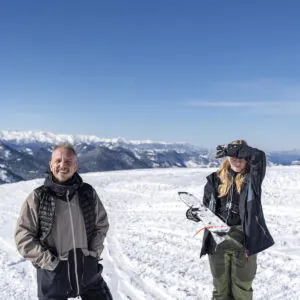
Is Freeriding Suitable for Beginners?
A complete beginner in skiing or snowboarding is not ready for freeriding yet. First, you need to learn how to stop confidently, control your speed, make turns on different sections of a slope, and stay calm when you fall.
At the same time, someone with solid piste skills can start exploring freeriding. For the first experience, it is better to choose a wide slope with a moderate gradient, where a lift and an easy exit are nearby.
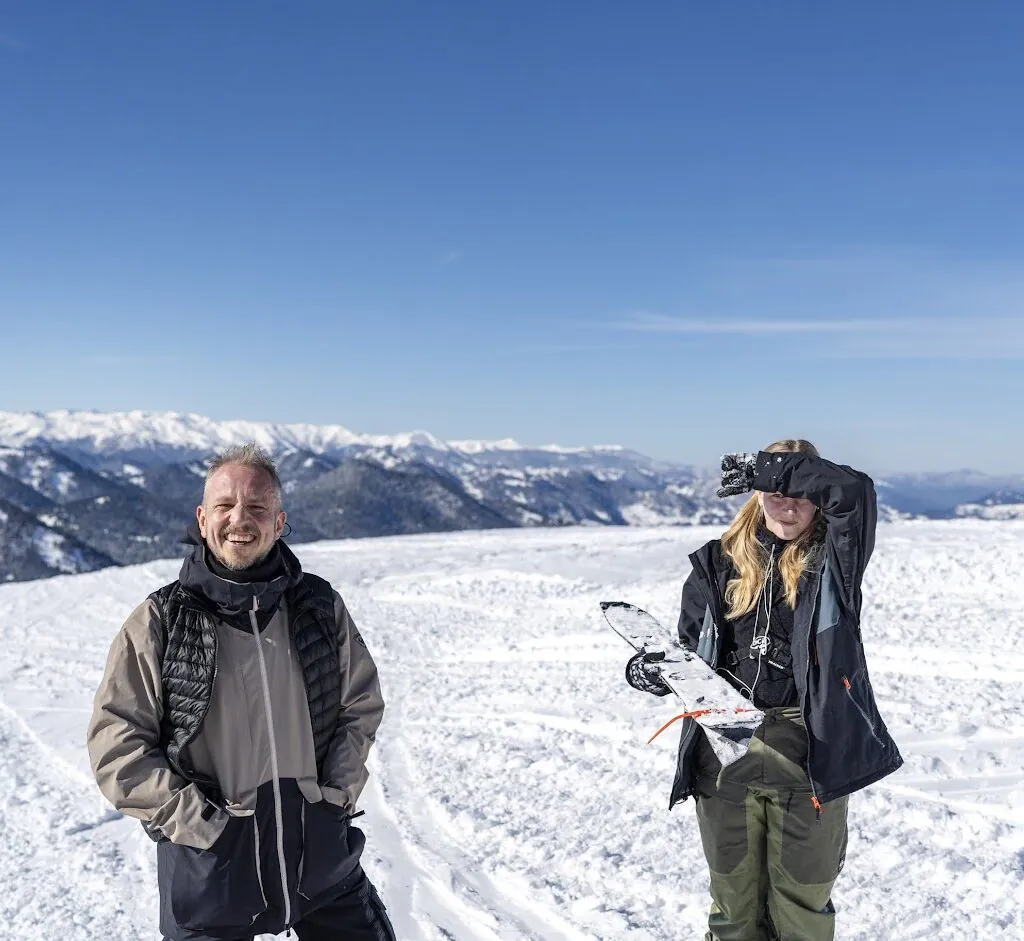
Gudauri, for example, has areas between the marked runs that are suitable for getting used to off-piste riding. The freeride areas in Gudauri include wide sections where you can get a feel for deep snow, practice turns, and learn how to get back up after a fall.
For your first time, hiring a guide is a sensible choice. A guide can help select a slope that matches your ability, show you a safe line, and explain how to read the terrain. You can also find different freeride options in Georgia and choose a format that matches your experience.
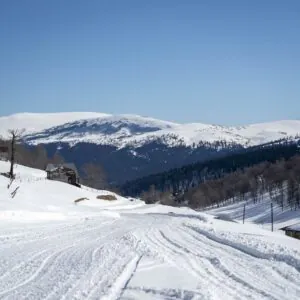
What Should You Be Able to Do Before Your First Freeride?
Before heading off-piste, it is useful to check yourself against several basic skills:
- ski or snowboard confidently on red runs;
- control your speed on steeper sections;
- make turns in both directions;
- stop quickly when necessary;
- get back up after falling in deep snow;
- understand how to distribute your weight on skis or a snowboard;
- have a reasonable level of physical fitness.
Speed control is especially important. On a groomed piste, the snow is relatively predictable. In freeride terrain, you may encounter loose powder, hard-packed snow, crust, or rapidly changing terrain. Your technique gradually needs to adapt to these conditions.
There is no need to start with the most difficult route just to get an impressive descent. The first day is better spent getting used to the snow and terrain.
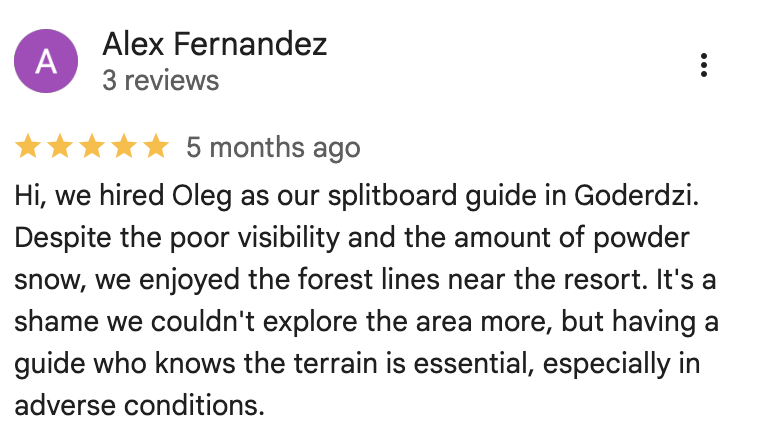
Our customers' reviews




What Gear Do You Need for Freeriding?
Some of your equipment will be the same as for regular resort skiing or snowboarding. You will need skis or a snowboard, boots, bindings, a helmet, goggles, gloves, and suitable clothing.
Off-piste riding also requires specific safety equipment. A basic avalanche kit includes:
- an avalanche transceiver;
- an avalanche probe;
- a shovel;
- a suitable backpack.
A transceiver is used to search for someone buried under the snow, while a probe helps locate the person precisely and a shovel is used for digging them out. Having all three items in your backpack is not enough. You also need to practice using them beforehand.
For freeriding in Gudauri, PVD Club also lists a transceiver, probe, and shovel as essential avalanche equipment. Depending on the program, some equipment can be rented. (freeride program details)
Do You Need Special Freeride Skis?
For your first experience, there is no need to immediately buy an expensive setup. If you are just starting to ride off-piste, renting equipment allows you to find out which skis work best for you.
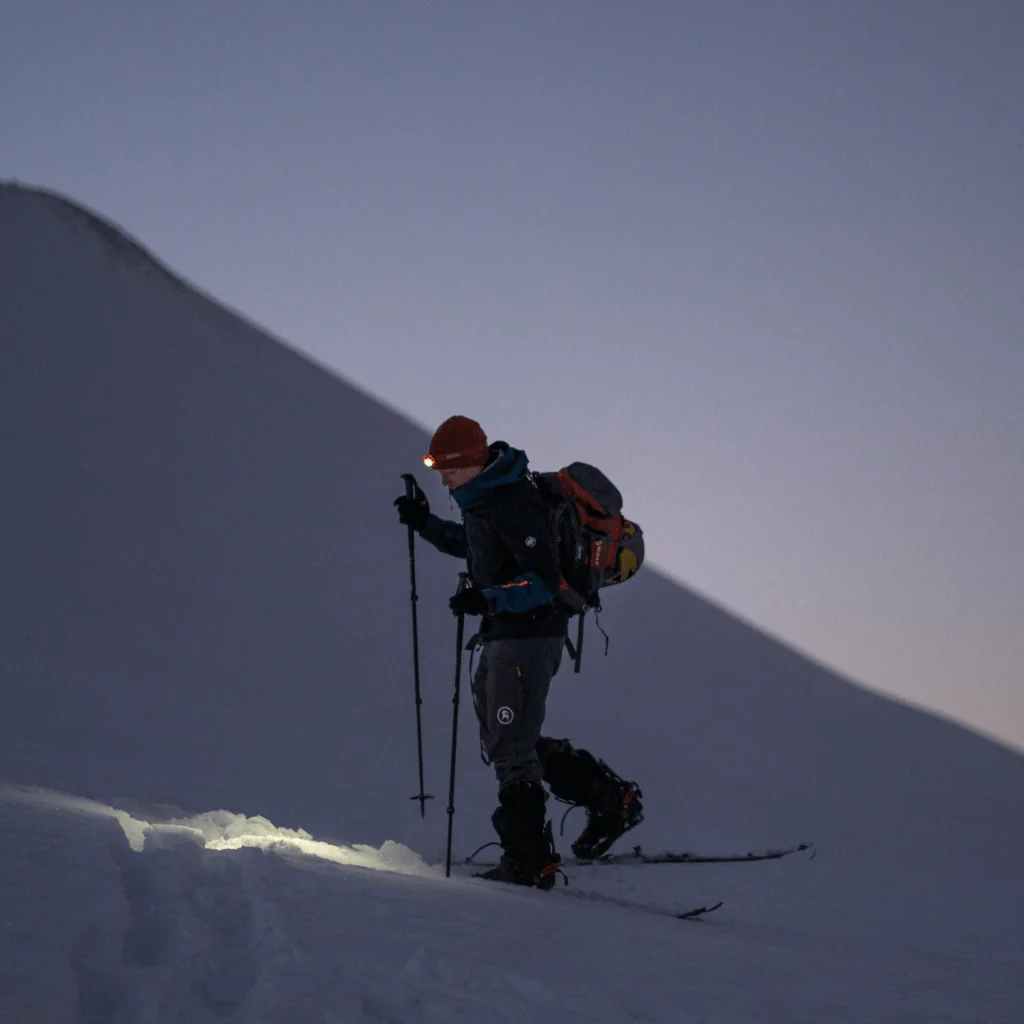
Freeride skis are usually wider than piste skis. Their greater width helps them stay on top of loose snow, although it also takes some time to get used to this type of equipment. Ski touring requires a different setup designed for uphill travel with climbing skins.
If you are only planning one trial trip, buying a complete setup may be premature.
Why Is It Better to Do Your First Freeride With a Guide?
It is easy to overestimate your abilities on an unfamiliar slope. It is even harder to assess snow conditions, terrain, and potentially dangerous areas on your own.
A guide knows the local terrain and can change the route depending on conditions. This is particularly important after fresh snowfall, during strong winds, or when temperatures change. During your first freeride experience, you also receive practical advice on technique and can correct mistakes immediately.
For beginners who want to try freeriding with a guide in Gudauri, there are dedicated programs with instruction and guided descents. The resort has options for first freeride experiences as well as more challenging routes for experienced riders.
You can also read more about how guided freeriding in Gudauri works before choosing a program.


Where Can You Try Freeriding in Georgia?
For your first experience, it makes sense to choose a place where you can combine groomed slopes, lifts, and accessible off-piste terrain. Gudauri is convenient in this respect because of its infrastructure and variety of riding options. There are wide areas for beginner freeriders, after which you can gradually move on to more challenging terrain.
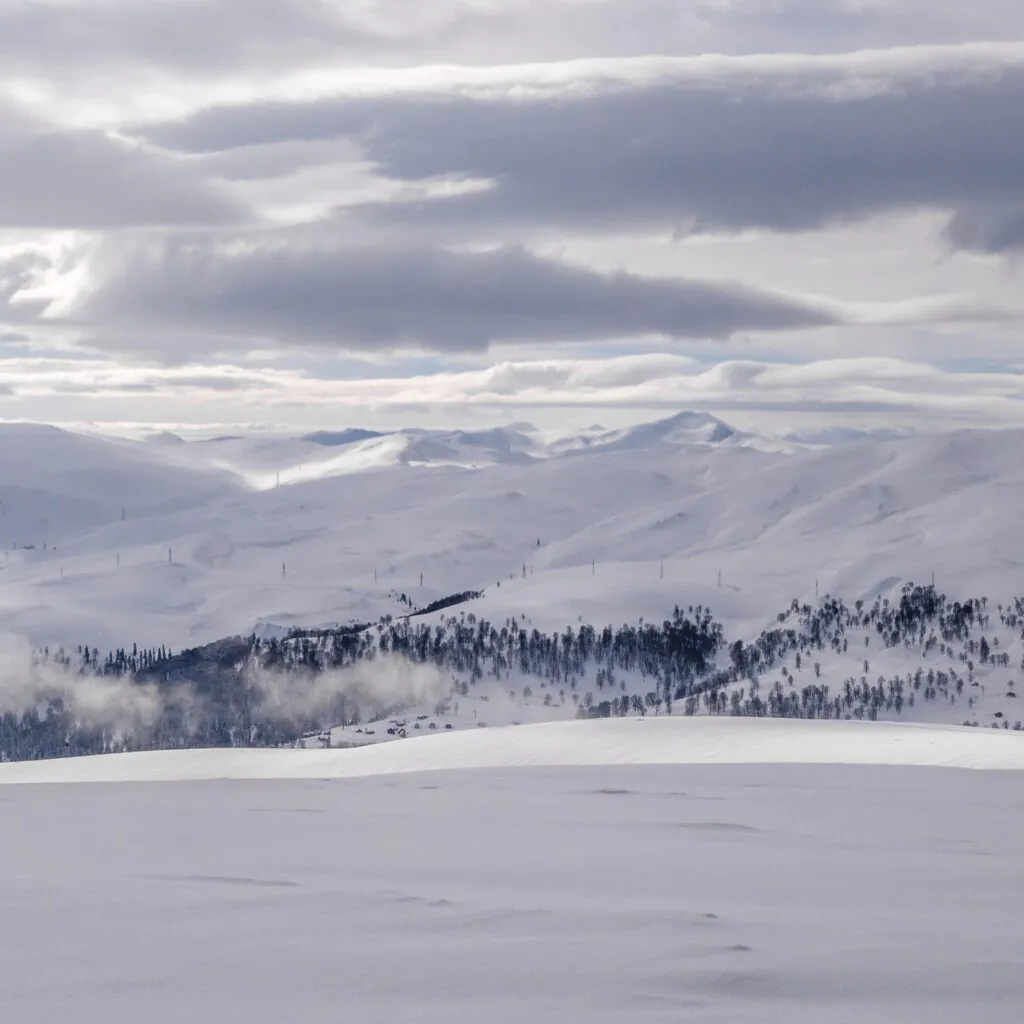
Another option is Goderdzi. The resort’s freeride opportunities become particularly interesting when combined with ski touring and snowcat-accessed terrain. A detailed guide to freeriding in Goderdzi covers lift-accessed areas, ski touring routes, and the characteristics of the local terrain.
At the same time, Goderdzi is better left for the next stage if you are just starting to learn freeriding. The current Goderdzi freeride program requires a confident level of piste skiing. It includes avalanche safety training, ski touring, and snowcat riding, so it is designed for riders who already have solid technique.
For those who have gained some experience and want to try this format, the freeride and ski touring program in Goderdzi includes several days of riding and ski touring. Snowcat riding is available as a separate option.
What Is the First Day of Freeriding Like?
Do not expect your first off-piste session to consist of several hours of continuous riding. At the beginning, you need time to get used to the snow, stop, work on your technique, and pay attention to the terrain.
A good first day might include a warm-up on the piste, several easy off-piste descents, technique adjustments, and a gradual increase in difficulty. If conditions change, the route can be adjusted.
Avalanche safety deserves special attention. You need to understand what the chosen route involves, where potentially dangerous areas are located, and why the group is following a particular line. A freeride program in Goderdzi, for example, can include both avalanche safety theory and practical training in locating a person using a transceiver.
What Should You Do After Your First Freeride?
After your first trip, it becomes much easier to understand what you need to work on. You may need to improve your turns in deep snow, learn to read terrain more effectively, or discover that you want to move on to ski touring.
It is useful to write down how you felt immediately after the session. Which sections were difficult? Where did you feel nervous? How quickly did your legs get tired? How did the equipment behave? These details can show you what to focus on next.
The next step can be several more days of guided riding. After that, you can gradually try longer routes and move toward ski touring.
Common Mistakes Made by Beginner Freeriders
There are several typical situations that can create problems:
- Choosing a route that is too difficult for the first day. A slope that looks impressive in photos may be completely unsuitable for your current ability.
- Riding without avalanche equipment. Even a familiar slope remains part of a mountain environment where conditions can change quickly.
- Trying to follow more experienced riders. Their speed and line may depend on skills that a beginner has not developed yet.
- Ignoring the weather. Snow, wind, and temperature directly affect the condition of the slope.
- Running out of energy. Fatigue can significantly reduce technique and concentration, especially later in the day.
- Going onto unfamiliar terrain alone. Without local knowledge, it is easy to end up on a section that is difficult to get out of.
Freeriding is best learned gradually. Start with simple areas near the resort, then move on to more challenging terrain and eventually to ski touring and longer routes.


