Ski Touring: What It Is, What Gear You Need and How to Get Started

Ski Touring: What It Is, What Gear You Need and How to Get Started

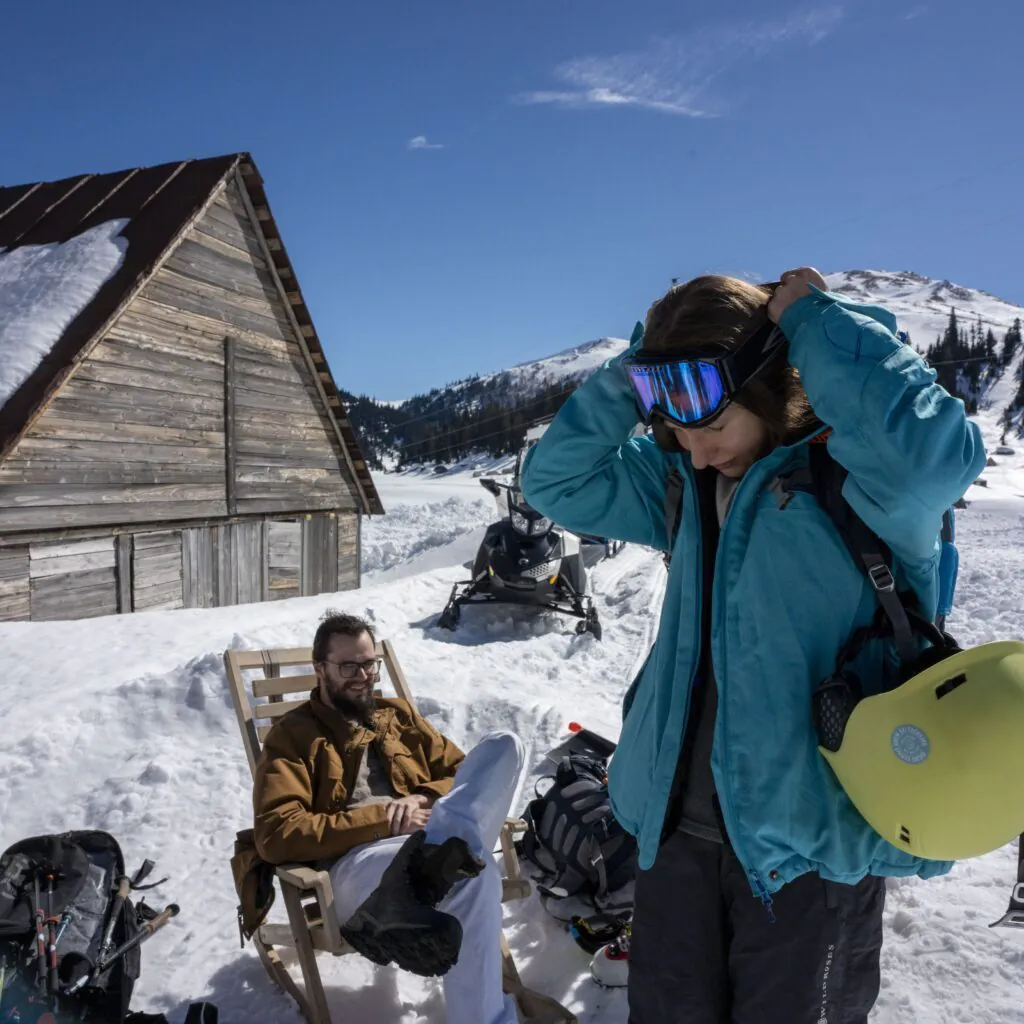
Ski touring combines skiing with climbing a mountain under your own power. Instead of taking a lift to the top, you put climbing skins on your skis and move uphill, then remove them and ski back down. It gives you access to slopes and valleys that are far beyond the usual resort routes.

For someone who has only skied on groomed pistes, ski touring can look complicated at first. There is special equipment to learn, uphill technique to master, and avalanche safety to take seriously. However, you do not have to become an experienced backcountry skier before trying it. The important thing is to start with the right route, suitable equipment, and an experienced guide.

Ski Touring: What It Is, What Gear You Need and How to Get Started - фото 1

What Is Ski Touring?

Ski touring is a form of skiing that allows you to travel uphill without using a chairlift or gondola. Touring skis have special bindings that allow your heel to move freely during the ascent. Climbing skins are attached to the bottom of the skis to provide grip on the snow.

Once you reach the planned point, the bindings are switched into downhill mode, the skins are removed, and you ski down.

The basic sequence is simple:

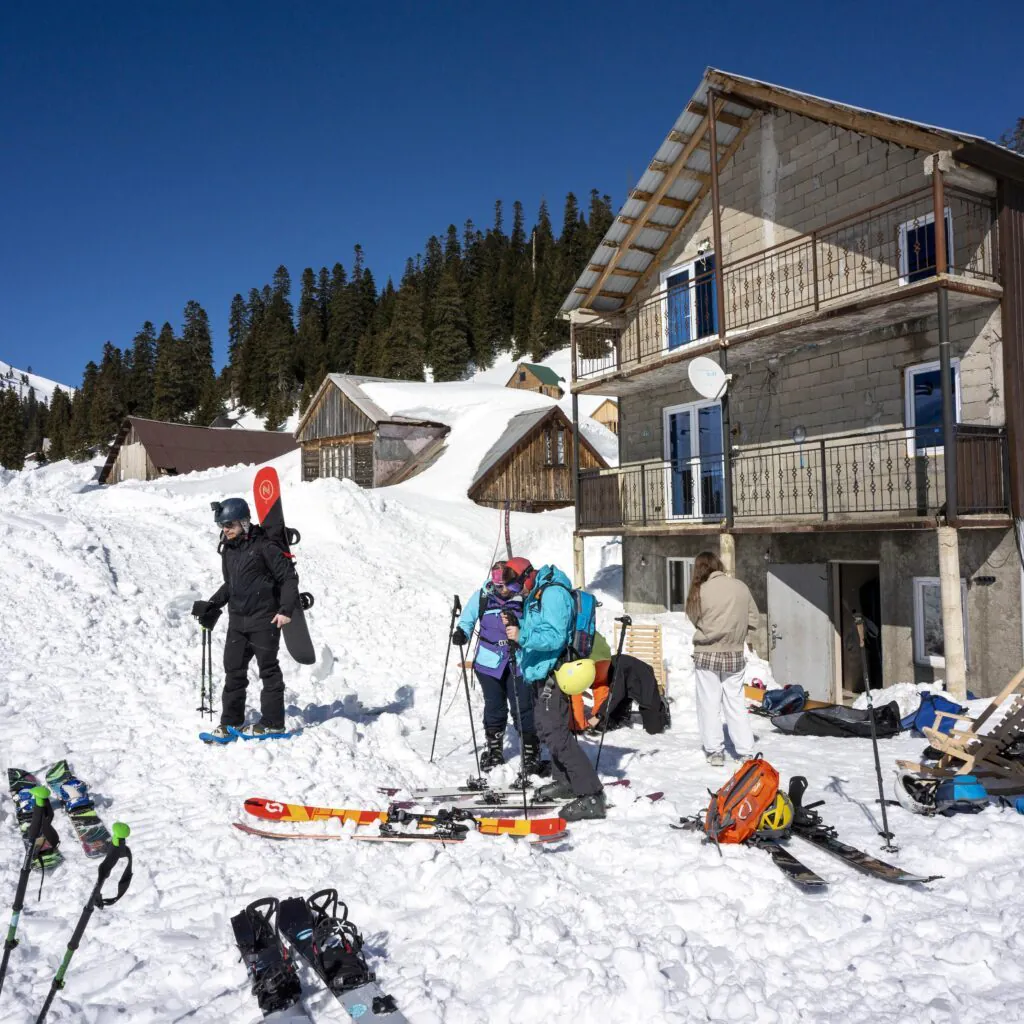
  1. Put on your touring skis and climbing skins.
  2. Set the bindings for uphill travel.
  3. Climb at a comfortable pace.
  4. Take a break when necessary and assess the terrain.
  5. Remove the skins at the top.
  6. Switch the bindings to downhill mode.
  7. Ski down the selected route.

The physical effort comes mainly from the ascent. A short climb can be relatively easy, while a longer route may take several hours and require good endurance.

Ski touring is closely connected with freeriding because many touring routes end with an off-piste descent. If you are still learning the basics of riding away from groomed slopes, it is worth starting with a guide to freeriding for beginners.

Ski Touring: What It Is, What Gear You Need and How to Get Started - фото 2

How Is Ski Touring Different From Regular Skiing?

The main difference is what happens before the descent.

On a normal ski day, a lift takes you uphill and you spend most of your time skiing down. With ski touring, the ascent becomes part of the activity. You choose a route, gain elevation gradually, and then descend on skis.

This changes several things:

  • you need more physical endurance;
  • you have to manage your pace during the climb;
  • the equipment is designed for both uphill and downhill travel;
  • route planning becomes much more important;
  • you need to understand snow and avalanche conditions;
  • you spend more time in the mountains away from resort infrastructure.

For many people, the appeal is the journey itself. You can leave the busy pistes behind, move through quiet mountain terrain and reach places that are inaccessible by lift.

Who Can Try Ski Touring?

You do not need to be an expert skier, but you should already feel comfortable on normal ski slopes.

Before your first touring trip, it is useful to be able to:

  • confidently ski red runs;
  • control your speed on steeper terrain;
  • make controlled turns in different snow conditions;
  • stop quickly when necessary;
  • maintain balance on uneven terrain;
  • ski off-piste at a basic level;
  • cope with several hours of physical activity.

The last point is particularly important. Walking uphill on skis is very different from spending the same amount of time on a chairlift and skiing downhill.

If your downhill technique is still developing, spend some time improving it first. Ski touring involves both climbing and skiing back down, so you need enough confidence to deal with changing snow conditions when you are already tired.

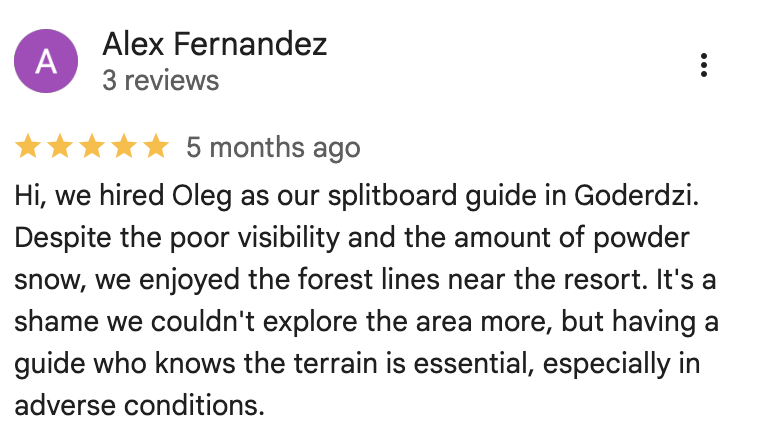
Our customers' reviews

Ski Touring: What It Is, What Gear You Need and How to Get Started - фото 8
Ski Touring: What It Is, What Gear You Need and How to Get Started - фото 9
Ski Touring: What It Is, What Gear You Need and How to Get Started - фото 10
Ski Touring: What It Is, What Gear You Need and How to Get Started - фото 11

What Equipment Do You Need for Ski Touring?

Ski touring requires more equipment than a regular resort day. The good news is that you do not have to buy everything immediately. For a first trip, renting some of the equipment can be a sensible way to find out whether touring suits you.

The basic setup includes:

Touring skis

Touring skis are designed to work both uphill and downhill. They are usually lighter than traditional freeride skis because every extra gram becomes noticeable during a long ascent.

The right width depends on the type of terrain and snow you plan to ride. Wider skis can be useful in deep powder, while a more moderate width may be more practical for long touring routes.

Touring bindings

Unlike standard alpine bindings, touring bindings allow the heel to move freely during the climb. At the top, they can be switched into downhill mode.

There are several binding systems, so beginners should make sure the bindings are compatible with their boots and skis before renting or buying equipment.

Climbing skins

Climbing skins attach to the bottom of the skis and prevent them from sliding backward while you climb.

They are one of the most important parts of a touring setup. Without them, moving uphill on skis would be extremely difficult.

Ski touring boots

Touring boots are designed to provide mobility during the ascent while still offering enough support for downhill skiing.

Different models have different ranges of movement and downhill performance. For beginners, it is worth choosing comfort and compatibility with the rest of the setup rather than simply looking for the lightest possible boot.

Poles

Adjustable poles are particularly useful for ski touring because they can be adapted to different sections of the route. Some skiers prefer slightly longer poles for the ascent and a different length for the descent.

Avalanche safety equipment

Avalanche equipment is essential whenever the route enters avalanche terrain. The basic set consists of:

  • an avalanche transceiver;
  • an avalanche probe;
  • an avalanche shovel.

Every member of the group should carry their own equipment and know how to use it.

A transceiver helps locate a person buried in an avalanche. The probe is used to pinpoint their position under the snow, while the shovel is needed to dig them out.

Simply carrying the equipment is not enough. Before going into the mountains, you should practice with it and understand how a rescue search works.

Ski Touring: What It Is, What Gear You Need and How to Get Started - фото 12
Ski Touring: What It Is, What Gear You Need and How to Get Started - фото 13
Ski Touring: What It Is, What Gear You Need and How to Get Started - фото 14
Ski Touring: What It Is, What Gear You Need and How to Get Started - фото 15

What Else Should You Take?

A touring backpack should contain everything you may need during several hours in the mountains.

Depending on the route and weather, this can include:

  • warm and waterproof layers;
  • spare gloves;
  • hat or buff;
  • goggles and sunglasses;
  • water and snacks;
  • first-aid kit;
  • navigation device or offline map;
  • headlamp;
  • phone with sufficient battery;
  • emergency communication device where appropriate.

The exact list depends on the route, season, weather and duration of the trip.

You can also consider an avalanche airbag backpack for routes where the risk assessment makes one appropriate. It does not replace good route planning or avalanche training, but it can provide an additional safety measure.

For beginners, renting equipment is often more practical than buying a complete setup immediately. It also gives you an opportunity to try different skis, boots and bindings before making a larger investment.

How Do You Start Ski Touring?

The easiest way to start is with a relatively short route and an experienced guide.

A first touring day does not need to involve a major summit or a six-hour ascent. The goal is to learn how the equipment works, get used to walking uphill on skis and understand how the transition from climbing to skiing is made.

A typical first session might look like this:

  1. Equipment check before leaving.
  2. Short practice with touring bindings and skins.
  3. Easy ascent at a comfortable pace.
  4. Basic instruction on route safety and snow conditions.
  5. Transition from uphill to downhill mode.
  6. Descent on terrain suitable for the group.
  7. Review of what went well and what needs more practice.

This approach allows you to learn the mechanics without making the first trip unnecessarily difficult.

Why Is a Guide Useful for Your First Ski Tour?

Route selection is one of the biggest challenges for beginners. A line that looks easy on a map can be much more demanding once you are on the mountain.

A guide can choose a route according to the group’s ability, weather, snow conditions and current avalanche situation. They can also explain how to move efficiently uphill, where to stop, how to cross more complicated sections and when it is better to turn around.

This is especially useful in unfamiliar mountain regions.

For example, ski touring in Gudauri can combine accessible resort terrain with routes away from the main pistes. Gudauri is also convenient for riders who want to combine freeriding with touring during the same trip.

If you are looking for a more structured introduction, PVD Club also offers guided freeride and ski touring programs in Goderdzi. These programs are aimed at people who already have solid skiing skills and want to explore touring and off-piste terrain in the mountains.
Ski Touring: What It Is, What Gear You Need and How to Get Started - фото 16

Ski Touring in Gudauri: What to Expect

Gudauri is one of the more accessible places in Georgia for combining resort skiing, freeriding and ski touring.

The resort provides lift access for regular skiing, while the surrounding mountains offer opportunities to move away from the prepared pistes. This makes it possible to gradually increase the amount of touring in your trip rather than spending the entire day far from the resort.

For riders who already have some experience, freeride and ski touring in Gudauri can be a natural next step after learning the basics of off-piste skiing.

The exact route should always depend on current conditions. Snowfall, wind, temperature changes and avalanche danger can significantly affect which slopes are suitable on a particular day.

Ski Touring in Goderdzi

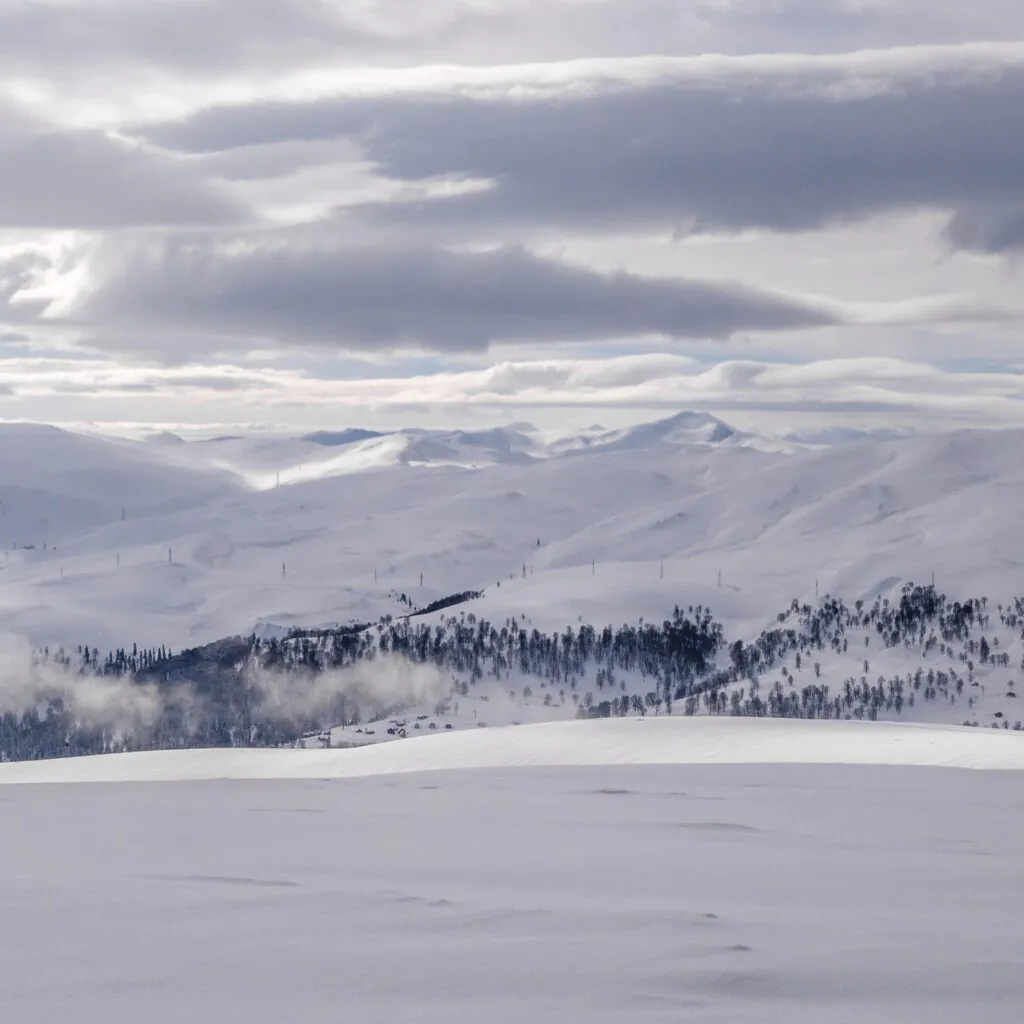
Goderdzi offers a different type of mountain experience. The resort is surrounded by terrain where freeriding and ski touring can be combined with longer days in the mountains.

A detailed guide to ski touring and freeriding in Goderdzi can help you understand the local terrain and the formats available in the region.

For more experienced riders, a Goderdzi freeride and ski touring program can include several days of riding, touring and off-piste descents. Snowcat access may also be available depending on the program.

Goderdzi is better suited to skiers who already have confident piste technique and some experience with off-piste snow. If this is your first contact with ski touring, starting with a shorter guided route is a more sensible option.

Заказать тур

Обсуждение закрыто.