
Goderdzi vs Gudauri for Freeride: An Honest Comparison
These are the two names that come up whenever someone plans a freeride trip to Georgia, and they couldn’t be more different. Gudauri is the big, accessible resort with the postcard Caucasus views. Goderdzi is the small, snowy outlier in Adjara that nobody outside Georgia has heard of. For the Gudauri side in more detail, see our freeride in Gudauri.
Which one you pick depends on what you actually want from the week. Here’s the comparison we give people over email, minus the sales pitch.



Snow and Weather
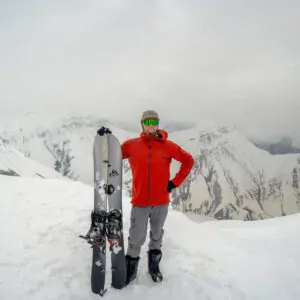
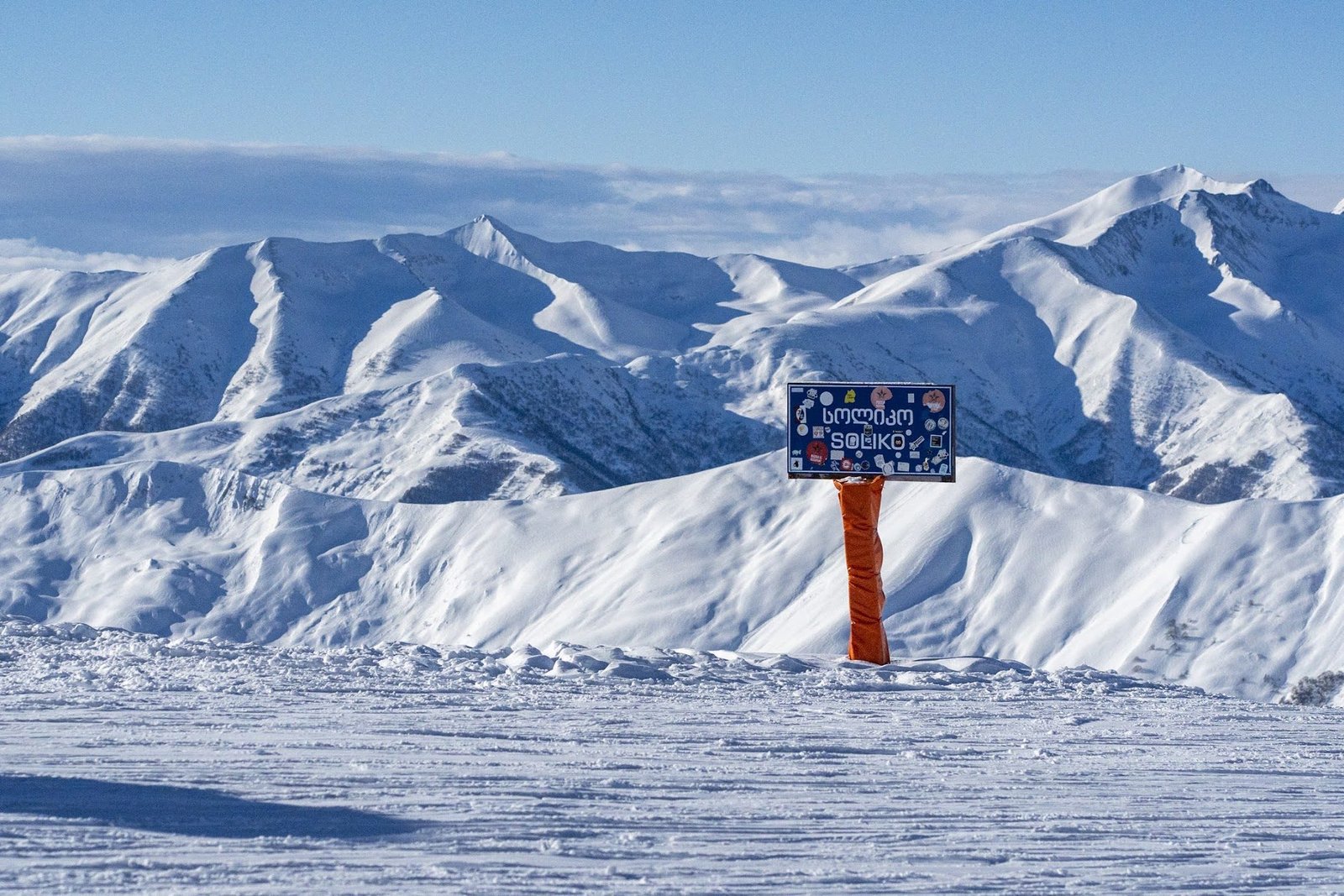
Gudauri sits high, around 2,200–3,300 metres, with a continental snowpack. Cold, dry, and prone to wind loading on exposed ridges. Snow quality is good but the base can be thinner early season. For the full country-wide picture, see our Georgia freeride guide.
Goderdzi is lower, around 2,000 metres, and gets hammered by moisture coming off the Black Sea. The result is deep, heavy snow — more of it, wetter, and often better in the trees.
If you want blower powder, Gudauri. If you want volume and forest lines, Goderdzi.
Aspect and how long the snow lasts
Gudauri’s north-facing bowls hold cold, dry snow for weeks, while the south sides soften within a day of sunshine. Wind scours the ridges and loads the lee slopes, so the guide’s route choice matters more than the forecast. On a windy week, the difference between a great day and a wasted one is which side of the ridge you dropped into.
Goderdzi’s forest does the preserving for you. Shade, shelter and less direct sun mean the snow arrives wetter, settles into a deep supportive base, and stays skiable long after a storm. You’re less likely to find feather-light blower and much more likely to find snow that still works four days later.
The seasons differ too. Gudauri’s lifts run from December to April, with reliable off-piste from mid-January. At Goderdzi the pass and the road dictate everything, and the window is roughly January to early April.



Lifts and Infrastructure
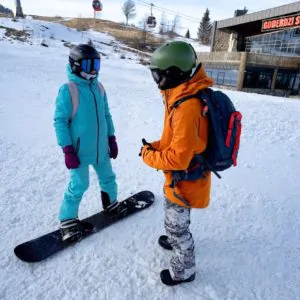
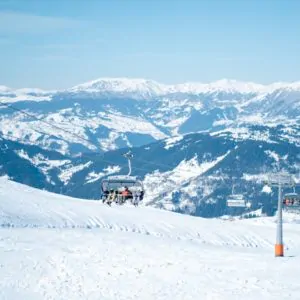
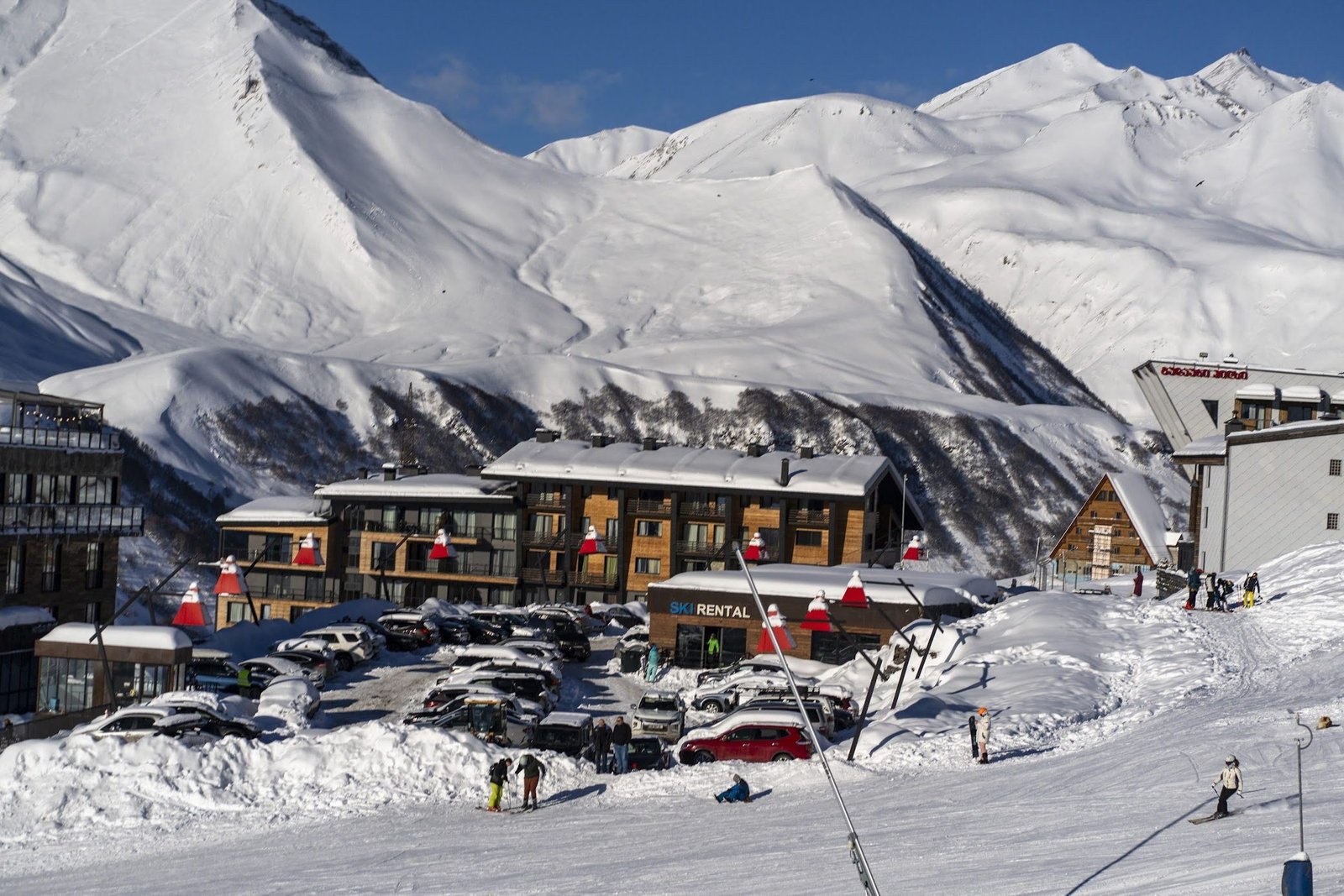
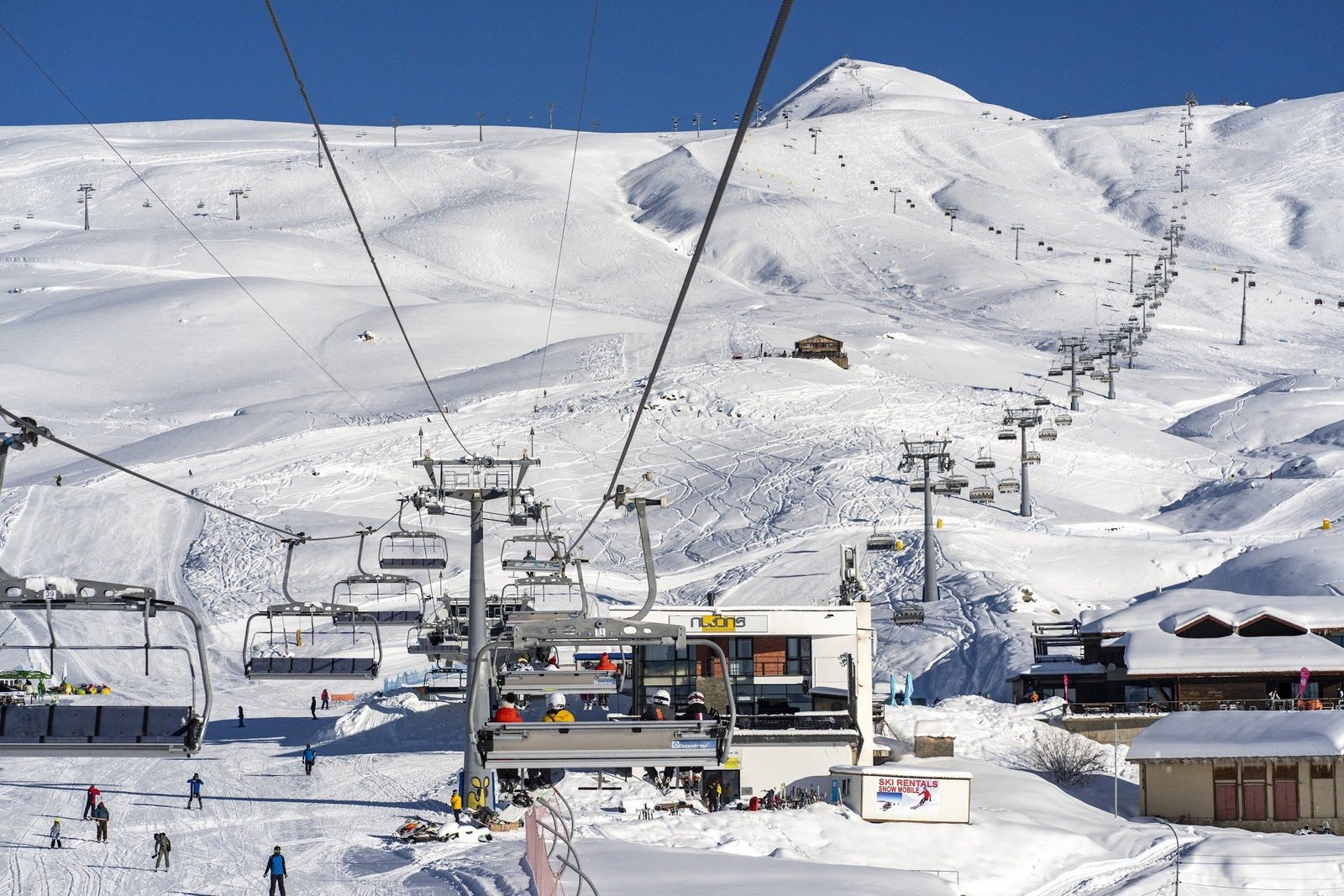
Gudauri is a real resort. Modern gondolas and chairs, a connected lift network, avalanche control work, patrol, rental shops and ski school. Things mostly work the way you expect them to.
Goderdzi runs a small lift system on the lower slopes with minimal infrastructure and no queue culture, mainly because there are no queues. The good terrain is accessed on skins, on foot, or behind a snowcat. If you want to rack up vertical on lifts, Gudauri. If you want the mountain without the machinery, Goderdzi.
 Access and Logistics
Gudauri wins comfortably. It’s a two-hour drive from Tbilisi on a good road, with frequent transport and plenty of accommodation.
Goderdzi is three to four hours from Batumi, and the pass can close in heavy snow. It’s a destination, not a day trip. That’s part of the charm, but it’s also a real planning constraint.
Transfers in practice
For Gudauri you can take a marshrutka or a shared transfer from Tbilisi, arrange a private car, or rent something with winter tyres. It’s straightforward and cheap by European standards.
Goderdzi is a different job. There’s no useful public transport up to the pass, the last stretch is narrow and exposed, and after a storm you want a four-wheel drive and a driver who knows where the edges are. This is why our Goderdzi programmes include the transfer: it removes the one part of the trip that can genuinely go wrong.


Accommodation and Food
Gudauri has hotels, apartments and hostels, mostly clustered around New Gudauri. You can go budget or comfortable, and there are restaurants, bars, a couple of good Georgian kitchens and grocery shops within walking distance of the lifts.
Goderdzi means guesthouses. Simple rooms, wood stoves, shared bathrooms in some places, and home cooking at a fixed hour: khachapuri, soup, stewed meat, potatoes, whatever the family is making. It’s warm, filling and not remotely boutique. If you need a spa and a flat white in the morning, this isn’t your valley.
Crowds
Gudauri is a resort. Weekends and holidays are busy, and fresh lines near the lifts disappear fast. Tbilisi day-trippers arrive mid-morning on Saturdays and the main off-piste zones get tracked out within hours of a storm.
Goderdzi is quiet. You can ski powder days after a storm and still find untracked forest. For a lot of riders, that alone settles the argument.
Timing helps in both places. New Year and the first week of January are the busiest in Gudauri, and Georgian public holidays fill the lifts. Midweek in late January or early March is a different resort entirely. Goderdzi never really gets busy, but it does get cut off, so check the forecast before you commit to the drive.
Beginners and Improvers
Gudauri is clearly better for first turns. English-speaking instructors, gentle lower slopes, rental gear on site, and a sensible progression from piste to sidecountry.
Goderdzi isn’t a learn-to-ski destination. The focus is off-piste, the snow is variable and the trees are tight. If you can already ski, it’s wonderful. If you can’t, it’s frustrating for you and for whoever is guiding you. Improvers with solid piste miles do well there, but they get more out of it with a guide.
Off the Mountain
Gudauri’s off-days are genuinely good: Kazbegi and Gergeti Trinity Church, the Gudauri viewpoint, paragliding in the right weather, and the drive up the Georgian Military Highway. Non-skiers in the group have something to do.
Goderdzi’s off-days are thinner. Village walks, the pass itself, Adjaran food, tea and honey, and a long transfer to Batumi if the road is open. When the weather shuts everything down you read, play cards and eat. Some people love that. Others get restless by lunchtime on day two.
Programmes and Guiding
Our Gudauri freeride camp is the structured option: seven days, five riders, coaching, avalanche training and the Ortsveri summit day. It’s built for progression, and it’s the trip we recommend to anyone on their first or second freeride week.
The Goderdzi freeride programme is more about chasing snow in a specific, snow-sure region, with the option of cat-skiing when conditions allow.
If you can’t choose, the multi-region trip does both.
Who Each One Is For
Gudauri is for you if this is your first freeride trip, if your group has mixed ability, if someone would rather not ski every day, if you only have a week and don’t want to spend two days of it travelling, or if you want coaching and a summit objective rather than pure powder hunting. It’s also the better base if you want to combine skiing with the rest of Georgia.
Goderdzi is for you if you’ve done a freeride week before, you care more about untracked snow than lifts, you like tree skiing, you’re travelling as a small group of similar ability, and you don’t mind a long transfer for the sake of quiet. It suits people who’ve already been to Gudauri and want to see what the fuss about Adjara is about.
If you’re honest with yourself and the first list sounds more like your week, book Gudauri. Most people do, and most of them are right.
Quick Verdict
- First freeride trip: Gudauri — more infrastructure, easier logistics, better coaching
- Powder hunter with experience: Goderdzi — fewer people, deeper snow
- Big summit objective: Gudauri — Ortsveri and the Kazbegi glacier
- Bad-weather skiing: Goderdzi — trees work when the mountain doesn’t
- Non-skiers in the group: Gudauri — more to do off the slopes
Traveler's FAQ
Can you do both in one trip?
Yes, but it’s a long transfer. The multi-region programme handles it; doing it independently eats a day.
Which is better for beginners?
Gudauri, clearly. More lifts, more mellow off-piste, more instruction available.
Which has better snow?
Goderdzi gets more. Gudauri’s is often drier. «Better» depends on whether you want depth or lightness.
Do I need my own avalanche gear?
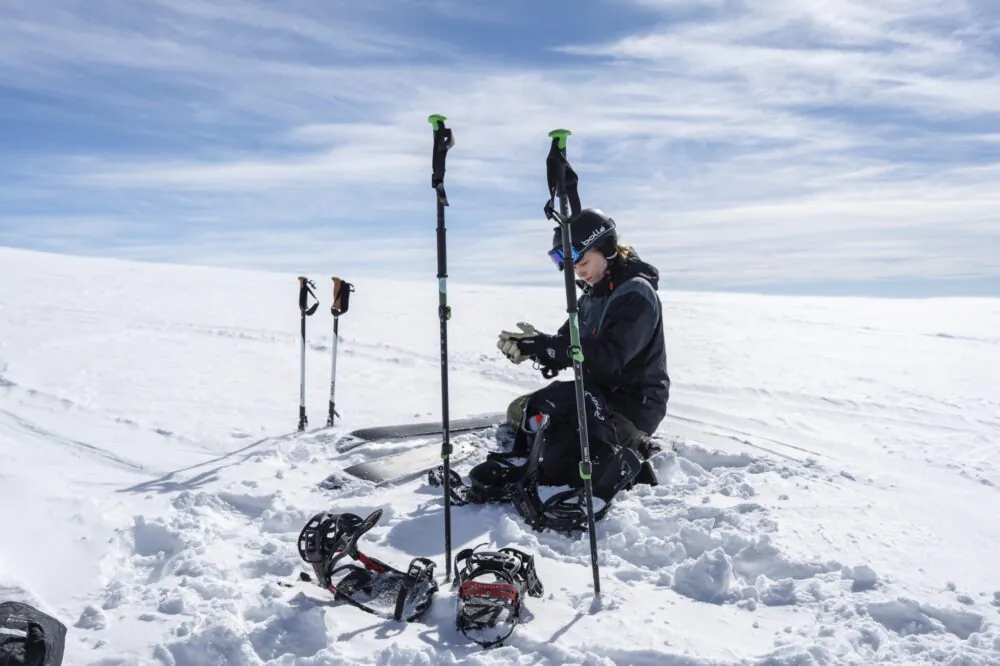
For our camps and Goderdzi programmes, no — transceiver, probe, shovel, pack, snowshoes and poles are included. Bring your own boots and skis or board, and tell us your boot size early.
Pick One and Go
Gudauri for progression and variety, Goderdzi for powder and solitude. Camp dates for 2027 in Gudauri: 1–7 February, 15–21 February, 8–14 March, 15–21 March. The price is $1,300 per person including accommodation, guiding, breakfast and dinner, transfers and avalanche gear, with a maximum of five riders.
Start at the camp page, browse all freeride camps, or see the full 7-day itinerary.


