
Best Time to Visit Tusheti: A Month-by-Month Guide
The first question almost everyone asks us when they write in about a tour to Tusheti is: «so when’s the best time to go?» It’s not a small question — it’s basically the main one. Unlike Tbilisi or Kakheti, in Tusheti the season decides almost everything: whether you’ll actually make it there, whether the pass will even be open, whether you’ll find a village full of people or already emptied out for winter.
Short version: the window is narrow, maybe three to four months a year, no more. Below we’ll walk through what happens each month and why going in June is, in practice, a completely different trip from going in September.
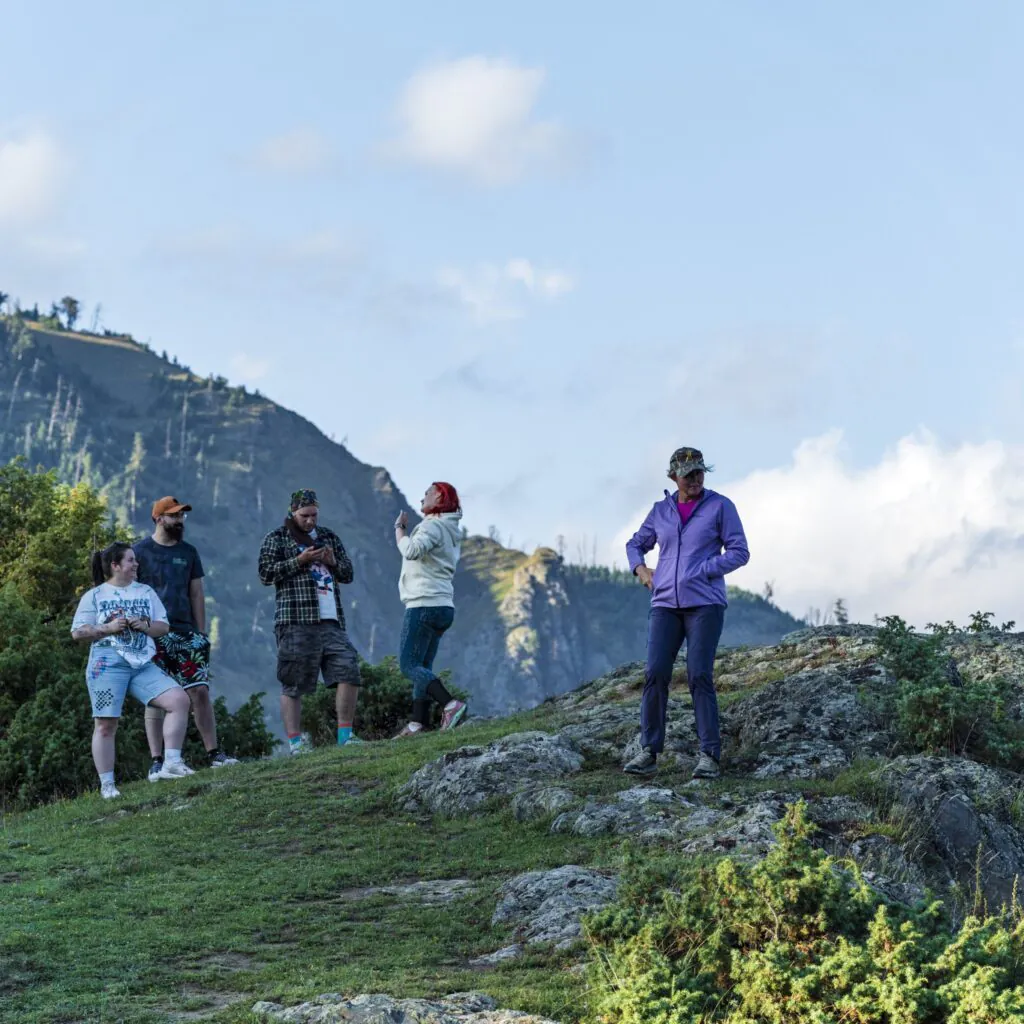
Why there’s a window at all, not just a «season»
It all comes down to the Abano Pass — the only road connecting Tusheti to the rest of Georgia. It sits above 2,800 meters, it’s unpaved, full of switchbacks, and it’s simply buried under snow and impassable for most of autumn, winter, and spring. There’s no «what if I really want to go in March» — it’s physically impossible, the pass is closed, end of story.
The road usually opens at the end of May or the start of June, depending on how snowy the winter was. It closes at the end of September or in October, again depending on the weather. So the entire tourist season in Tusheti fits into roughly four months — and even within that window, the difference between months is significant.
June: the road just opened
June is the very start of the season, and you can go, but you should understand you’re taking a bit of a risk. The pass doesn’t open on a fixed date — it opens once the road actually becomes passable. Sometimes that’s late May, sometimes it drags on into mid-June.
The upside of June: everything is at its freshest green, the mountains still carry patches of snow, and there are almost no other tourists — you get Tusheti practically to yourself. The downside: unstable weather, sudden cold snaps, rain that washes out the dirt road, and some high-altitude trails still hard to walk because of leftover snow. If you want quiet and are ready to adjust the route on the fly, June is your month.
July and August: peak season
This is the most popular time, and for good reason. The weather is at its most stable, all the trails are fully open, every guesthouse is running, and the villages are genuinely alive — people who spend the winter down in the lowlands move back up into the mountains specifically for this stretch. If you want to catch Tusheti not as an open-air museum but as a place where people actually live right now, this is it.
The downside: noticeably more people, especially in Omalo and on the more popular routes. Days in the valleys can get warm, though the altitude still spares you the heavy heat you’d get in Tbilisi at the same time. July–August is also when we usually schedule our week-long route — when there’s actually time to not just skim the surface, but stay in different villages, hike out to Lake Oreti, and go up to Bochorna.
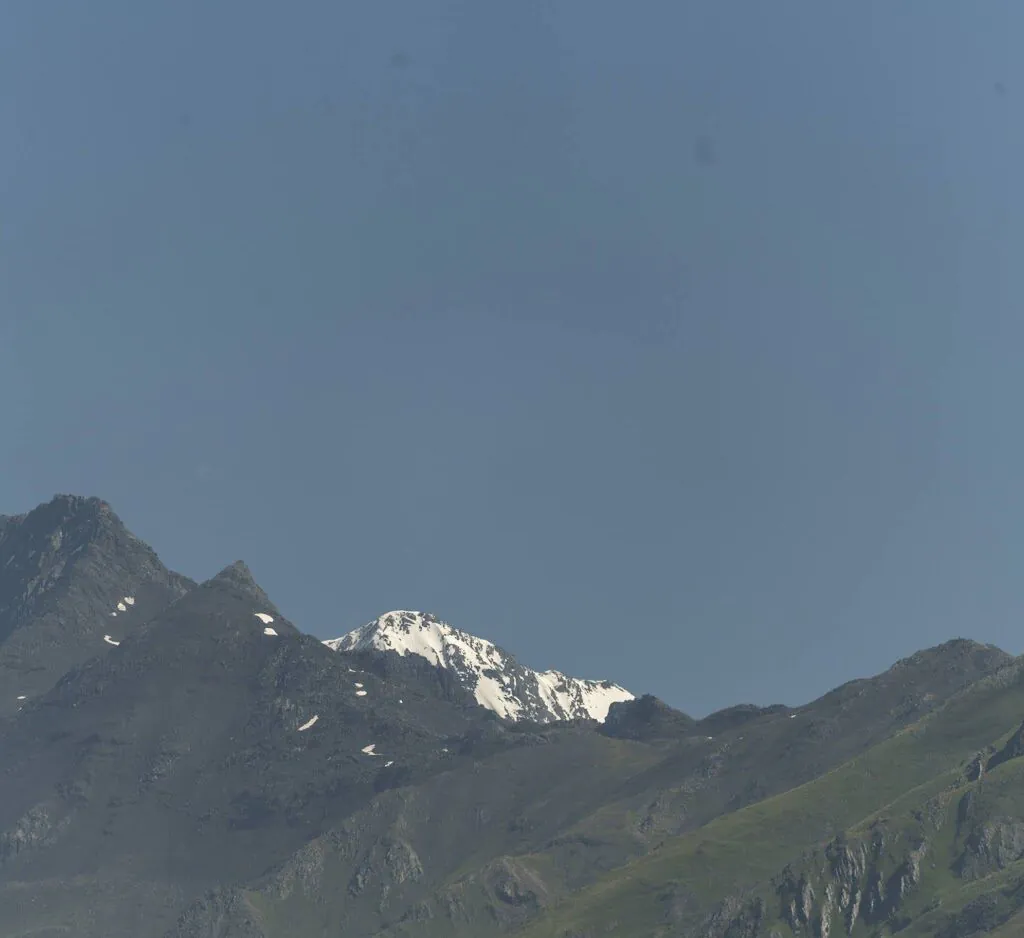
September: our personal favorite
If you ask us directly — September is best. The crowds have thinned out, the weather still holds, but the air is drier and clearer, the light is softer, and mornings in the mountains are cold enough that you really feel how high up you are. The slopes also start picking up a light autumn color, which gives photos a completely different look from flat summer green.
The one catch is that September gets unpredictable toward the end. In a good year the pass stays open into mid-October; in a bad one, the first real snow can fall as early as late September and that’s it, season over. We generally recommend traveling in the first half of the month so you’re not gambling on the weather.
October: for those willing to take the risk
October is a nerve game. The pass might technically still be open, but the odds grow every week that it’ll close before you can get back down. Locals are actively heading down to their winter homes at this point, some guesthouses are already shut, and the villages have a completely different feel — empty, quiet, almost ghostlike.
For some people that’s exactly the Tusheti they want — no other tourists, first snow on the peaks. But we’re upfront with anyone asking about October: build in a big buffer of extra time and be ready to change the plan on the fly.
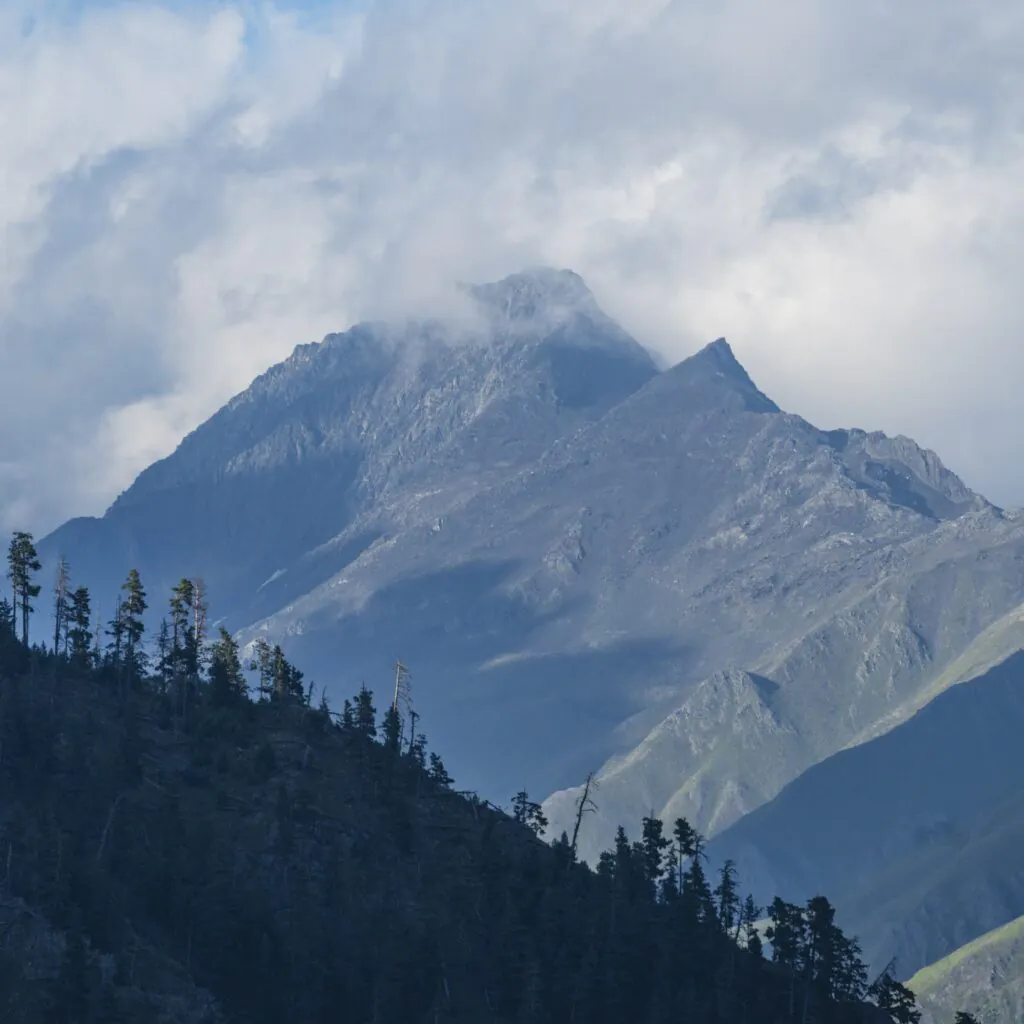
Winter and spring: why you shouldn’t even try
From November to May, Tusheti is physically cut off from the rest of Georgia. The pass is buried in snow, the road is impassable even for off-road vehicles, and the only way in is by helicopter, which locals occasionally use in emergencies. There are simply no tours running during this time, and if someone offers you one, it’s either a mistake or a scam.
So when is the actual best time to go
If we had to boil it down to one recommendation: late June through September, and if you can pin down a single month, September — with the first two weeks of October as the outer limit if you’re willing to take the risk. That’s the sweet spot where the road is reliably open, the trails are walkable, and you’re not competing with half of Tbilisi for a bed in a guesthouse.
Beyond that, it depends on what matters more to you. Want a lively Tusheti with full tables and full villages — go for July–August. Want quiet, good light, and near-empty trails — go for September. And if you’d rather not gamble with the weather or tackle the pass on your own at all, let us handle the logistics — we run both shorter classic tours and a full week-long expedition with overnight stays in different villages.

What to see while you’re deciding on dates
While you’re picking a month, it’s worth reading up on the places themselves — it’ll help you figure out how many days to plan for. We wrote a detailed breakdown of the differences between Omalo, Dartlo, and Shenako — the villages have very different atmospheres, and which one suits you also depends on the season. And if you want to cover the whole region, we’ve got a complete guide to Tusheti with everything from history to practical route details.
Whichever month you end up choosing, reach out to us early. The season is short, guesthouses are limited, and in peak summer, spots get booked out weeks in advance.
FAQ
How many days do you need for Tusheti? At least 3-4 days, enough to get there, see Omalo and the surrounding area, and head back without turning the drive itself into the whole trip. If you want to properly cover several villages and get in at least one real hike, plan for a full week, like our week-long expedition.
Can you visit Tusheti in winter? No. The Abano Pass is physically buried in snow from autumn through late spring, and the only way in is by helicopter, used by locals only in emergencies. There are no tourist tours running in winter.
Do you need a 4×4 to drive there yourself? Yes. The road over the pass is unpaved, full of switchbacks, and has no guardrails — a regular sedan won’t make it. We generally recommend going with a driver who already knows the road rather than attempting it yourself for the first time.
Which month has the fewest tourists? June, right after the pass opens, and the second half of September into early October. July and August are noticeably busier, especially in Omalo.
Is it worth going in September if I’m worried about the pass closing early? The first half of September is pretty safe on that front — the risk picks up toward the end of the month and especially in October. If you want to play it extra safe, plan your trip for the first two weeks of September.


