
Top Beginner Mistakes When Climbing Five-Thousanders
Ever notice what Kazbek and Mont Blanc groups have in common, despite thousands of kilometers and completely different climbing cultures between them? The exact same mistakes. I’ve watched plenty of physically strong people turn back before someone who looked weaker at the trailhead — and it almost never comes down to leg strength. It comes down to mindset, preparation, and a handful of ordinary decisions made long before anyone leaves the city. Let’s go through where beginners actually lose the summit — and why it happens with such stubborn regularity, whether you’re in the Caucasus or the Alps.
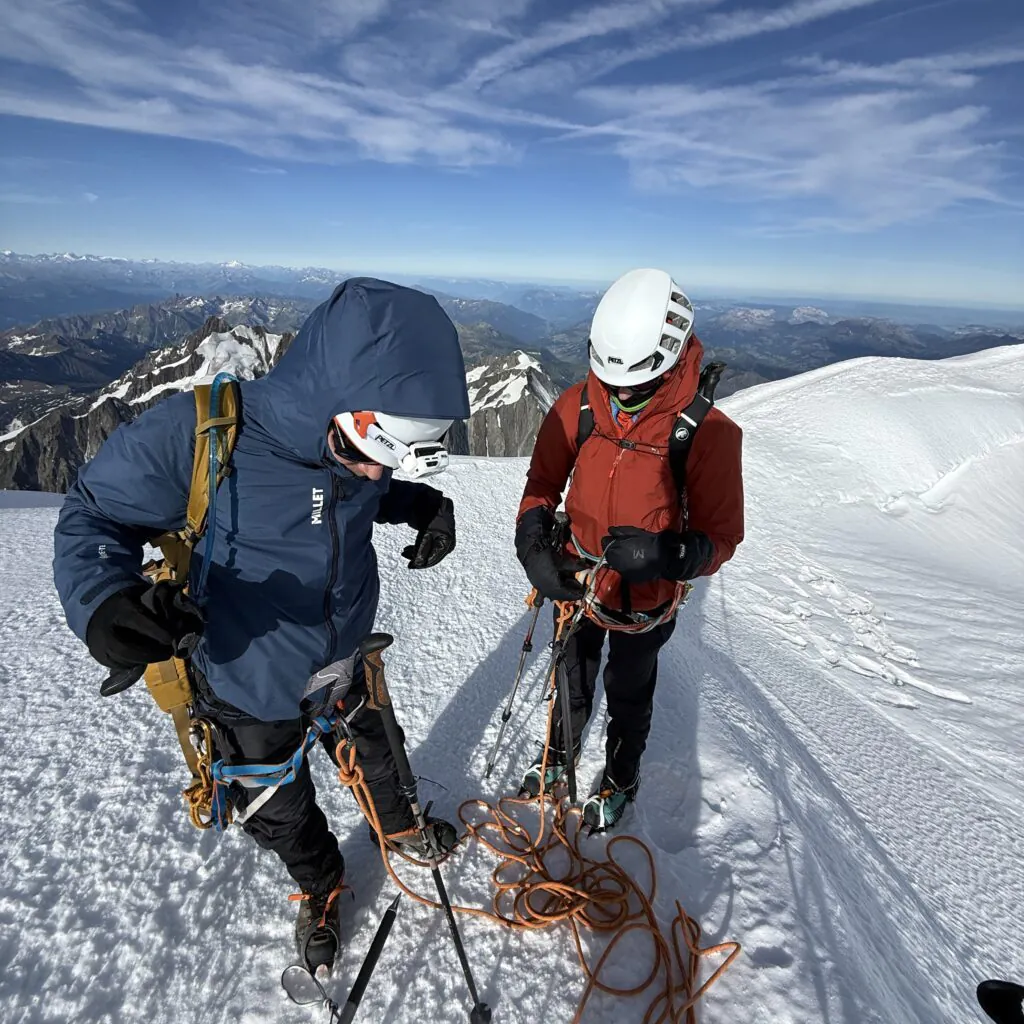
The illusion of «being in shape»
The first trap is confidence built in a gym. Someone trains three times a week, feels great, and decides a five-thousander must be within reach. Then it turns out gym conditioning and high-altitude effort are, quite literally, different sports. On Kazbek, for example, the summit push from the meteo station to the top gains close to 1,400 meters in a single stretch — at night, in the cold, with no real chance to rest. Squats in a gym don’t prepare you for that.
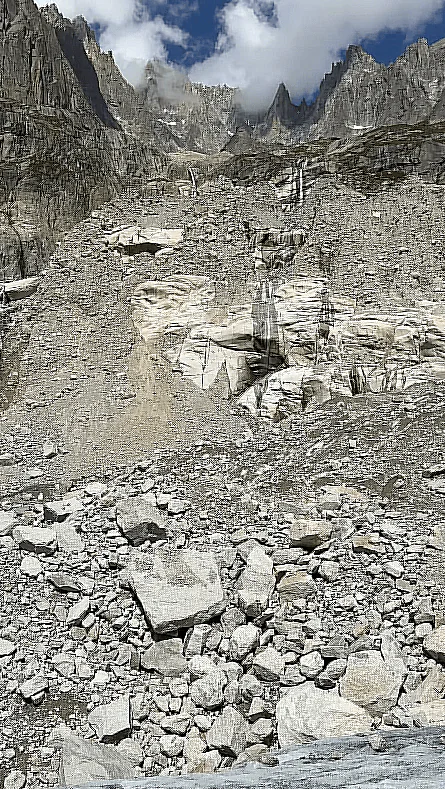
What actually helps: long single-day hikes with a loaded backpack, real elevation gain on your own legs, and stair climbs at pace without stopping for forty-plus minutes. Your body needs to learn how to work for many hours in a row, not deliver one short, intense burst. Anyone heading up Mont Blanc via the classic Trois Monts route feels this gap especially clearly — the effort is spread across the whole day, and «gym fitness» without long-distance stamina deflates fast.
Acclimatization nobody wants to spend time on
The second story always sounds the same: «we’re short on days, let’s cut the schedule.» This is where the real danger of high-altitude climbing hides. The body genuinely needs time to adjust to thin air, and that time cannot be bought with money or willpower. Headaches, nausea, loss of appetite on day two or three at altitude — that’s not bad luck, it’s the direct result of rushing.
A sensible program is always built around gradual gain: a low-altitude walk first, then a slightly higher overnight, then a day hike even higher with a return to sleep at the previous level. The old guiding rule — climb high, sleep low — works reliably if you actually follow it. As a bonus, Kazbek’s weather can shift within a few hours, so a spare acclimatization day often doubles as a weather buffer before the summit push — not just an overcautious formality.
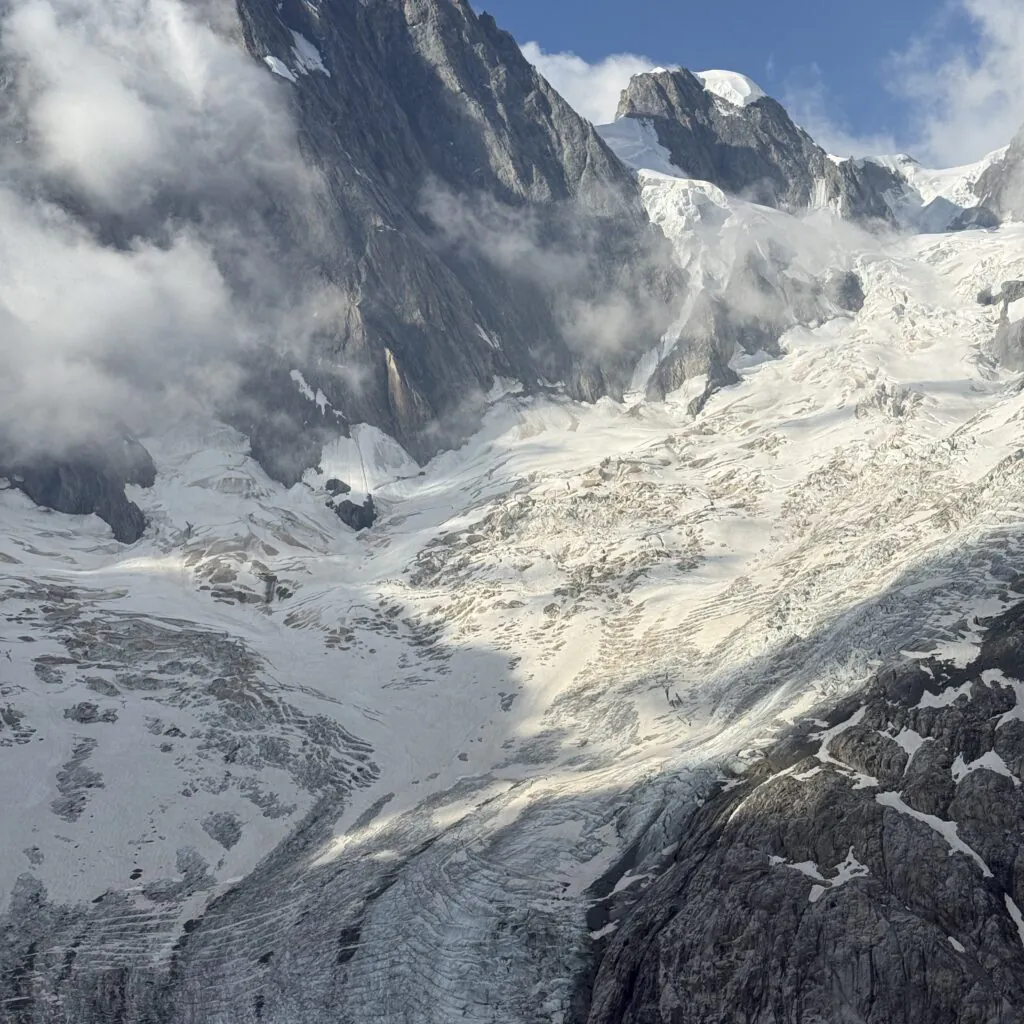
Gear — the one place people cut corners the most
There’s an odd pattern here: people happily pay for flights and the tour itself, then start pinching pennies on equipment. That’s a mistake, because gear is exactly what separates a comfortable climb from a fight against frostbite. Regular hiking boots, however broken-in and familiar, simply don’t work above the snowline — you need double high-altitude boots rated for serious cold. A single pair of thin gloves for the entire summit day is a guaranteed way to end up with frozen hands within a couple of hours.
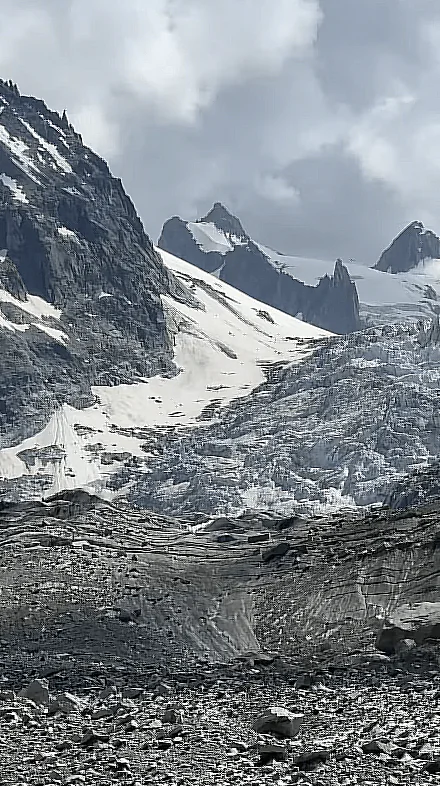
The gear list for a five-thousander isn’t really a suggestion — it’s closer to a safety requirement: crampons fitted to your specific boots, an ice axe, a harness, non-cotton layers, glacier glasses, a headlamp with fresh batteries, a warm sleeping bag. For anyone prepping for Mont Blanc, there’s a detailed A-to-Z gear checklist that covers even the small items people usually remember only once it’s too late to fix them.
«I can handle it without a guide»
A separate category of beginners comes from regular trekking backgrounds and assumes a glacier is just a smooth snow slope. In reality, glacier terrain shifts every season, crevasses move, and a perfectly flat-looking snow bridge can hide several meters of empty space underneath. Walking that terrain unroped, without someone who actually knows current conditions, isn’t bravery — it’s just unnecessary risk.
A guide’s job on route is pacing the group, reading the weather, and being willing to say «we’re turning back» at the right moment. If a guide decides to delay or cancel a summit attempt, arguing with them is a bad idea — that’s exactly the kind of dispute mountain accidents are made of. Some people try to save money specifically by skipping a guide — but once you actually check how much it costs to climb Mont Blanc, it becomes clear guiding fees aren’t even the biggest expense on the list, while being the most critical one for safety.
Staying quiet about feeling bad
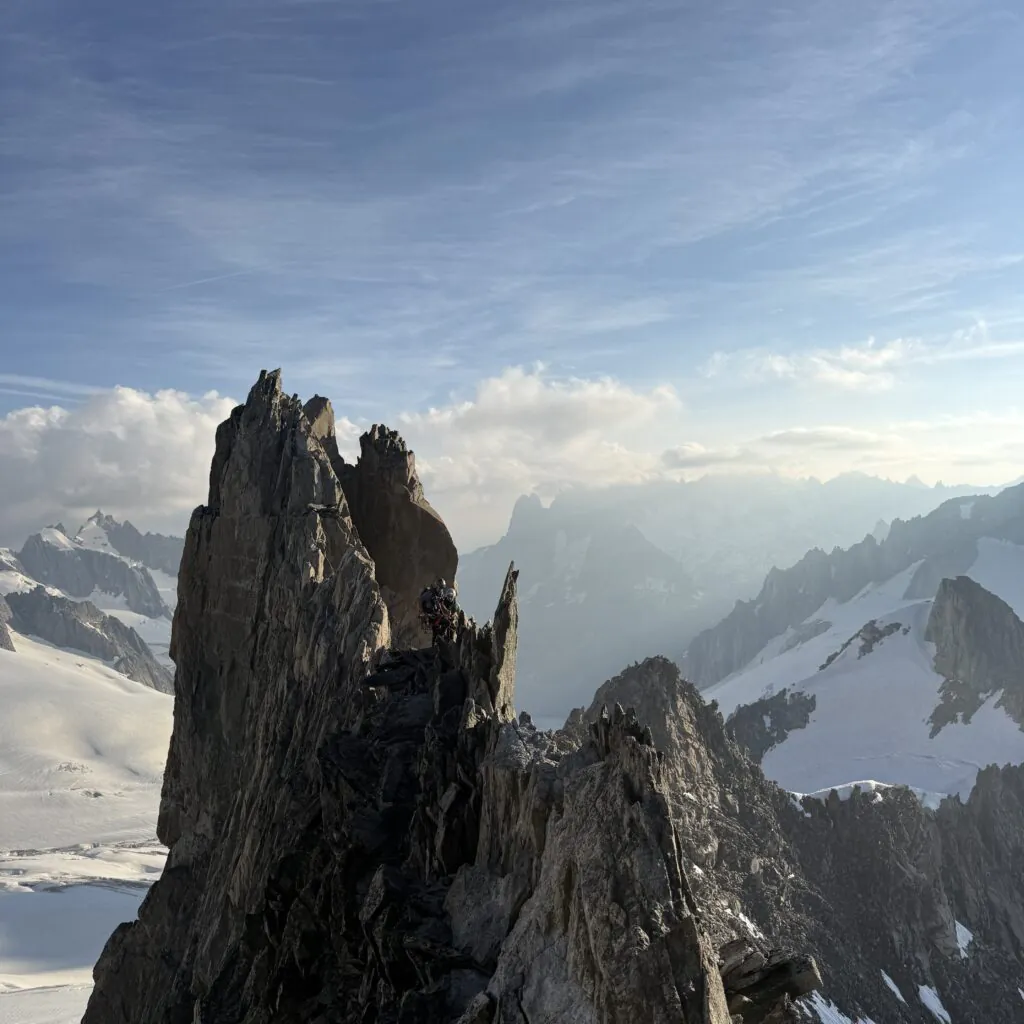
Headaches, nausea, and weakness at altitude are things many people try to tough out through sheer willpower. Mild altitude sickness genuinely does respond to rest and hydration at the same elevation — but if things get worse (unsteady gait, vomiting, confusion), the only correct move is an immediate descent, and no summit is worth ignoring that.
The catch is that beginners often feel embarrassed to tell their guide they’re struggling, worried about looking like the weak link in the group. That’s the wrong instinct: an honest conversation about how you’re feeling a day or two before the summit push is far easier to handle than the same problem showing up higher up, where help may not be close by.
The descent nobody plans for
All the attention goes to the climb up, yet it’s the descent — when energy is already spent and focus starts slipping — where most injuries actually happen. Tired legs and dulled attention, and someone stumbles on ground they’d have crossed without a second thought on the way up. A route should be planned so there’s still a reserve of strength left after the summit, rather than spending everything for twenty minutes of photos at the top.
Bottom line
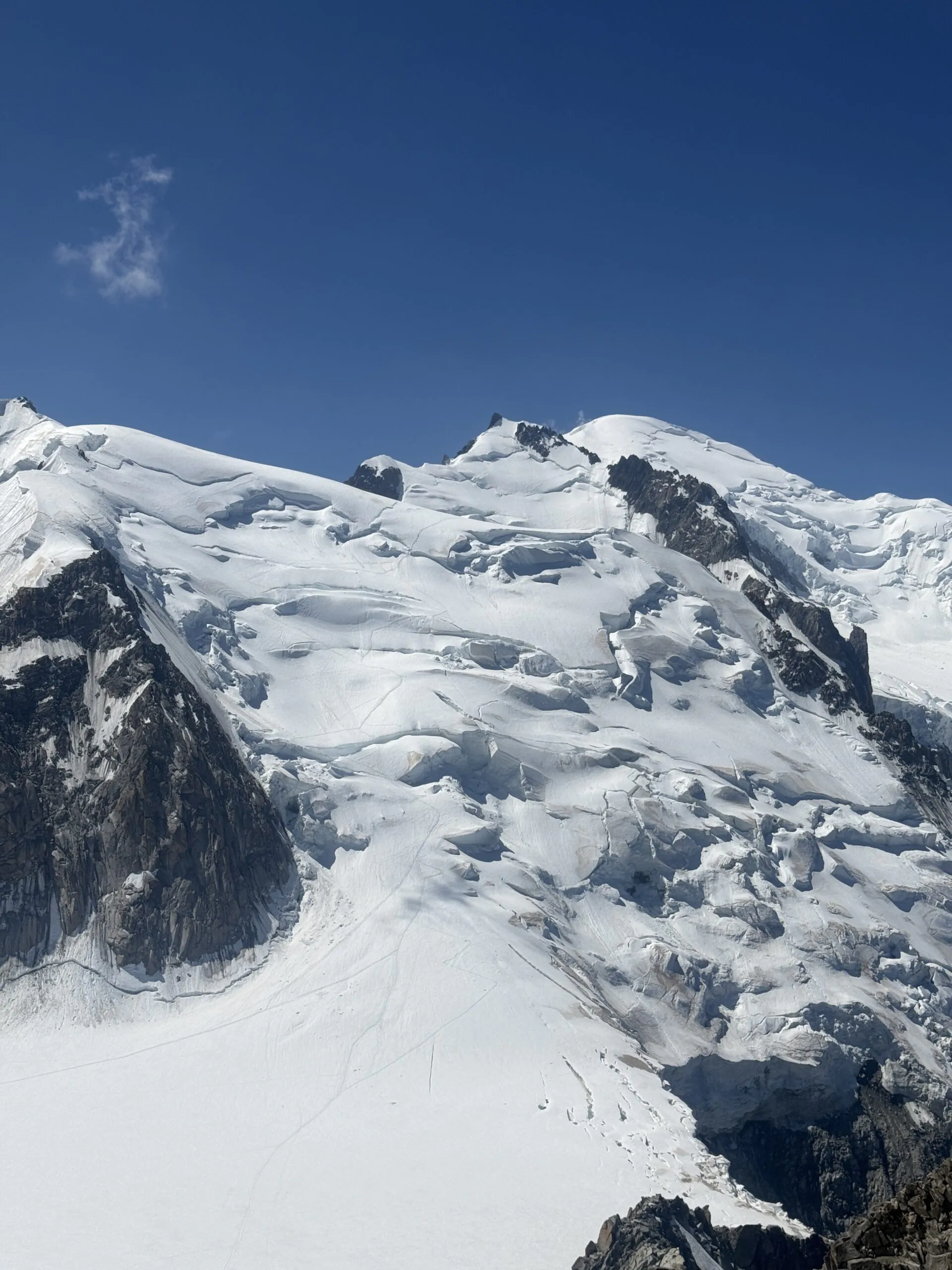
The mistakes on Kazbek and Mont Blanc are strikingly similar despite the different countries and routes: overestimating fitness without accounting for altitude, rushing acclimatization, cutting corners on gear, overconfidence, and staying silent about how you actually feel. A mountain, in the end, isn’t testing your courage — it’s testing your preparation and common sense. If you want the technical details and a full day-by-day plan, the complete Kazbek climbing guide lays out the whole route from Tbilisi to the summit.
So what’s it all for? Those few minutes at the top, with the entire Caucasus range spread out below you — you can preview the view from Kazbek’s summit right now, just to see exactly what’s worth preparing properly for, instead of rushing it.


