
The Kazbek weather station: Its history and why it’s not just a photo spot
Every group that climbs Kazbek stops at the same building on the way up, and every phone comes out at the same time. The Kazbek weather station sits at around 3,700 m on the standard route from the Georgian side, half-ruined, covered in frost, and looking like something out of a Soviet sci-fi film. Most people photograph it and move on without asking what it actually was, or why it’s still standing there in one of the harshest spots on the whole route. It’s worth ten minutes of your acclimatization day to actually know the story.
What the building actually is
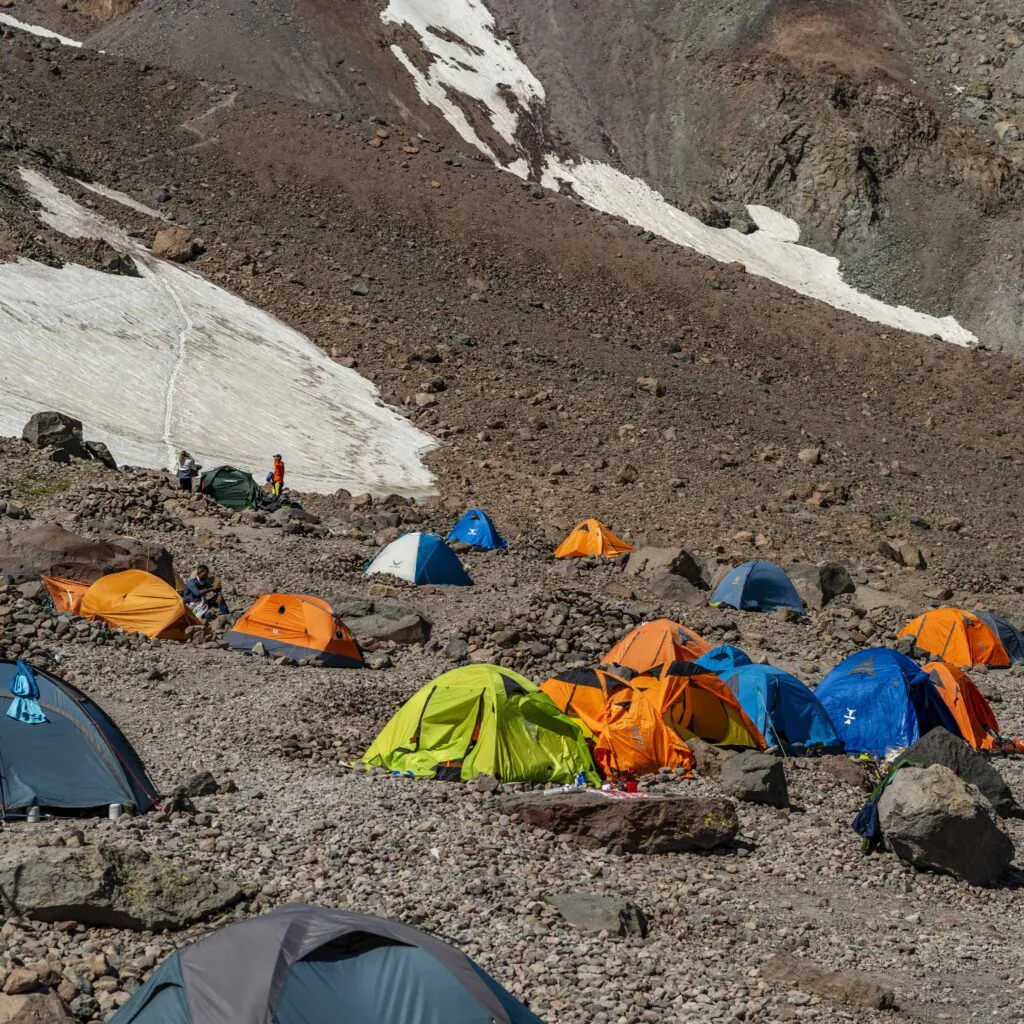
The Kazbek weather station was built during the Soviet era as a working meteorological outpost — a real scientific station, staffed by people who lived and worked at that altitude for stretches of time, recording temperature, wind, and pressure in one of the most exposed high-altitude spots in the Caucasus. It wasn’t built for climbers. Mountaineers passing through were, if anything, an afterthought to the people whose actual job was collecting weather data in conditions most of us only deal with for a single summit night.
That’s the part that gets lost in the photo-stop version of the story: this wasn’t a shelter built for tourism. It was infrastructure, built with the assumption that someone would be living and working inside it through Caucasus winters, which is a very different design brief than a mountain hut.
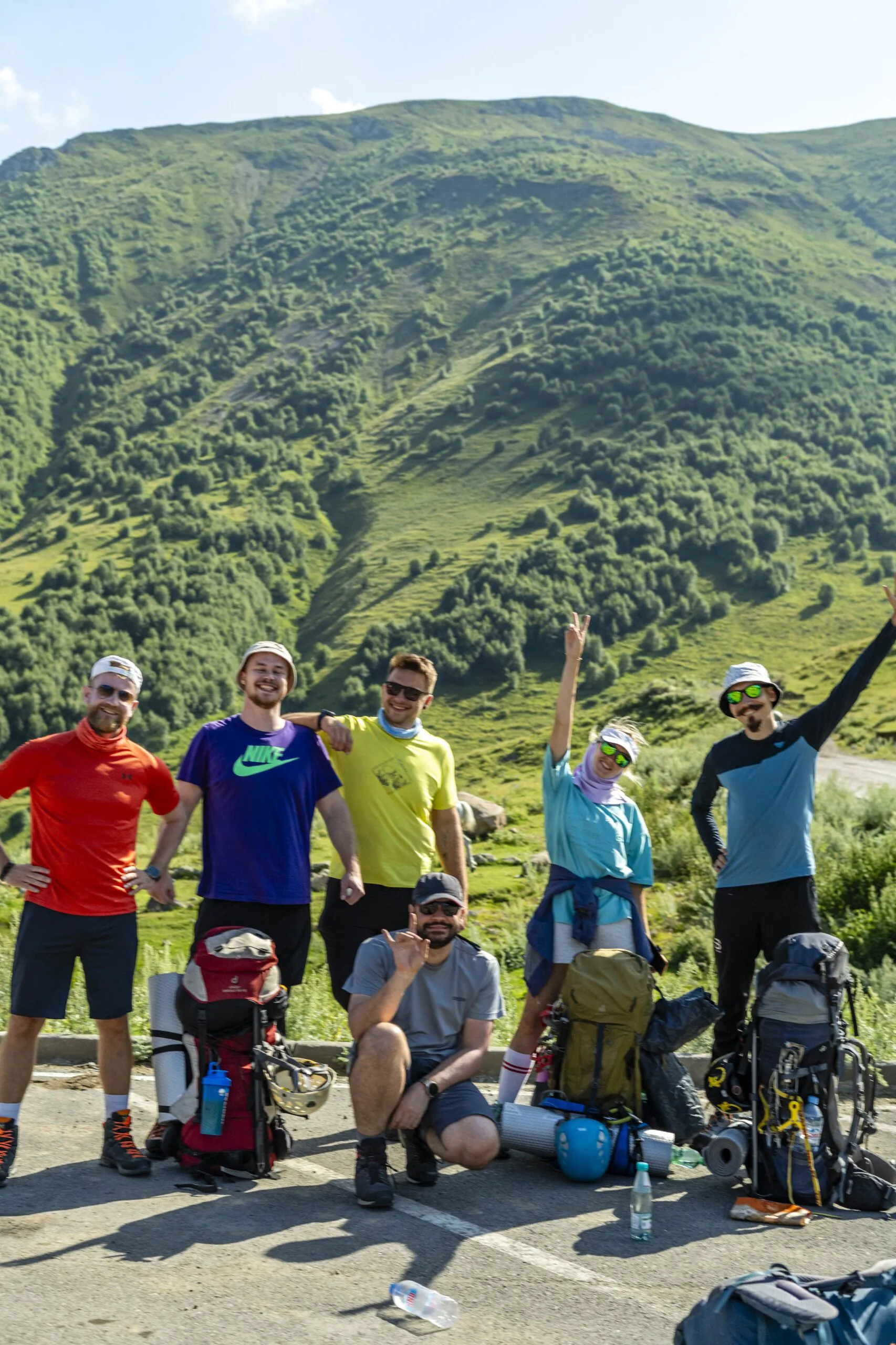
казбек восхождение
Why a weather station, specifically, at that spot
The location isn’t random. At roughly 3,700 m, the station sits high enough to catch weather systems moving through the Caucasus before they hit lower elevations, and exposed enough on the ridge to get a genuinely representative read on wind and temperature at altitude — exactly the kind of data a meteorological network needs, and exactly the kind of position that makes the building brutal to staff and now brutal to visit. The same exposure that made it valuable scientifically is what makes it a battering ordeal to actually live in.
From active station to climbers’ waypoint
At some point after the Soviet period, the station stopped operating as an active meteorological post. Regular staffing and monitoring wound down, and the building was left standing — already built to withstand the altitude, already positioned exactly where climbers need a stopping point on the way to the summit. It didn’t take long for its second life to take over from its first: instead of scientists, it now sees climbing groups pausing to catch their breath, adjust layers, and use it as a psychological marker on a long summit push.
If you’re curious what the building’s actual working life looked like before it became a waypoint, we’ve written up a longer account on our Kazbek summit history page.
Why it’s not just a photo spot
Treating the station purely as a backdrop misses what it’s actually useful for on the mountain:
- It’s a real progress marker. On a long summit day, having a fixed, known point on the route — one you can mentally check off — matters more than it sounds like it should. Guides use it as a pacing checkpoint, not just a rest stop.
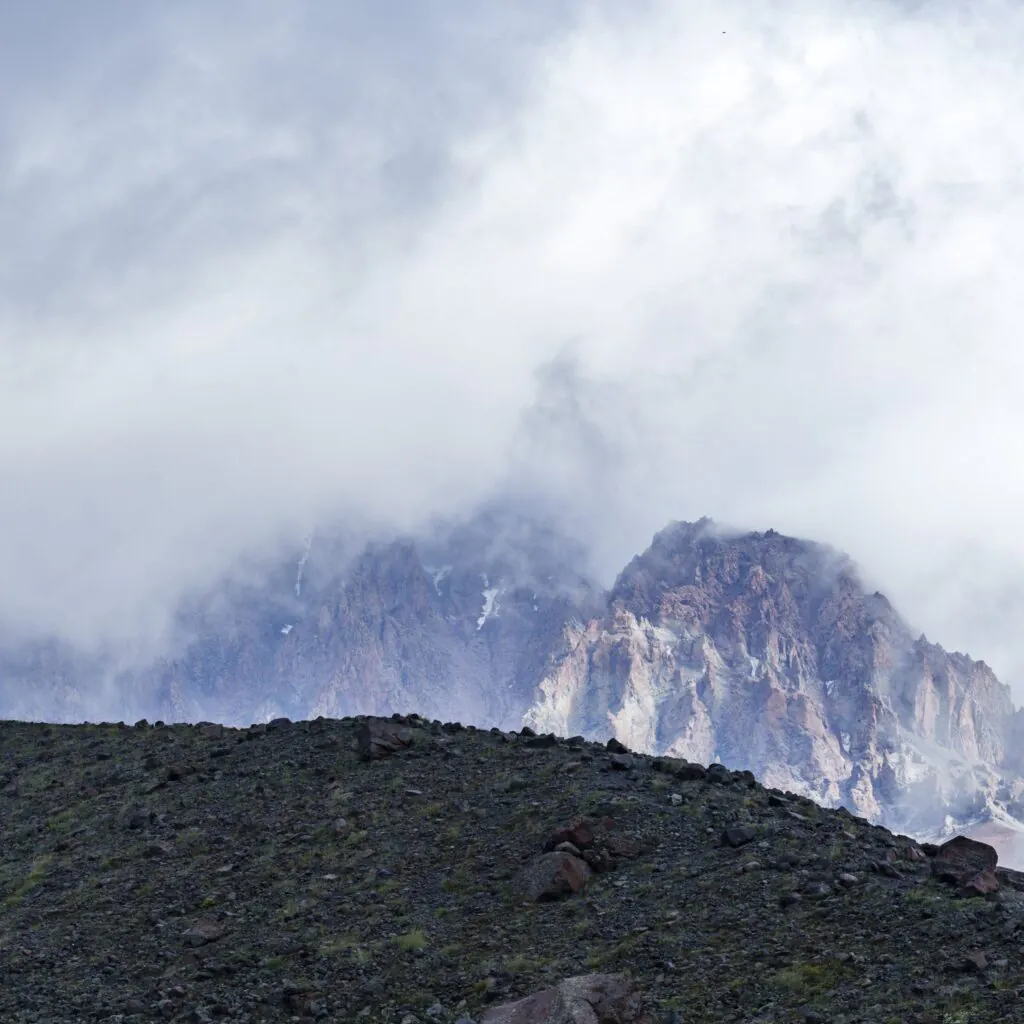
- It tells you something about the weather you’re walking into. The condition of the building, the ice buildup, the wind hitting it on a given day — all of it is a live read on what’s happening at that altitude right now, on top of whatever the forecast said the night before. For the bigger picture on how Kazbek weather actually behaves and why forecasts alone don’t tell the whole story, see our page on what the weather is like on Kazbek.
- It’s a reminder of what altitude actually does to infrastructure, not just people. A structure built to survive winters at 3,700 m, now half-abandoned and still standing, says something about the environment you’re moving through that no summit selfie captures.
Planning around it, not just walking past it
If you’re putting together your own Kazbek attempt, the station is worth factoring into your pacing and packing plans rather than treating as a surprise landmark. Our 2026 Kazbek ascent program builds it into the route schedule as a fixed checkpoint, and if you’re unsure what to actually bring for a stretch of the route that exposed, our summit gear FAQ covers it item by item. Timing also matters more than people expect — see our notes on when to go on Kazbek for how the season affects conditions around the station itself.
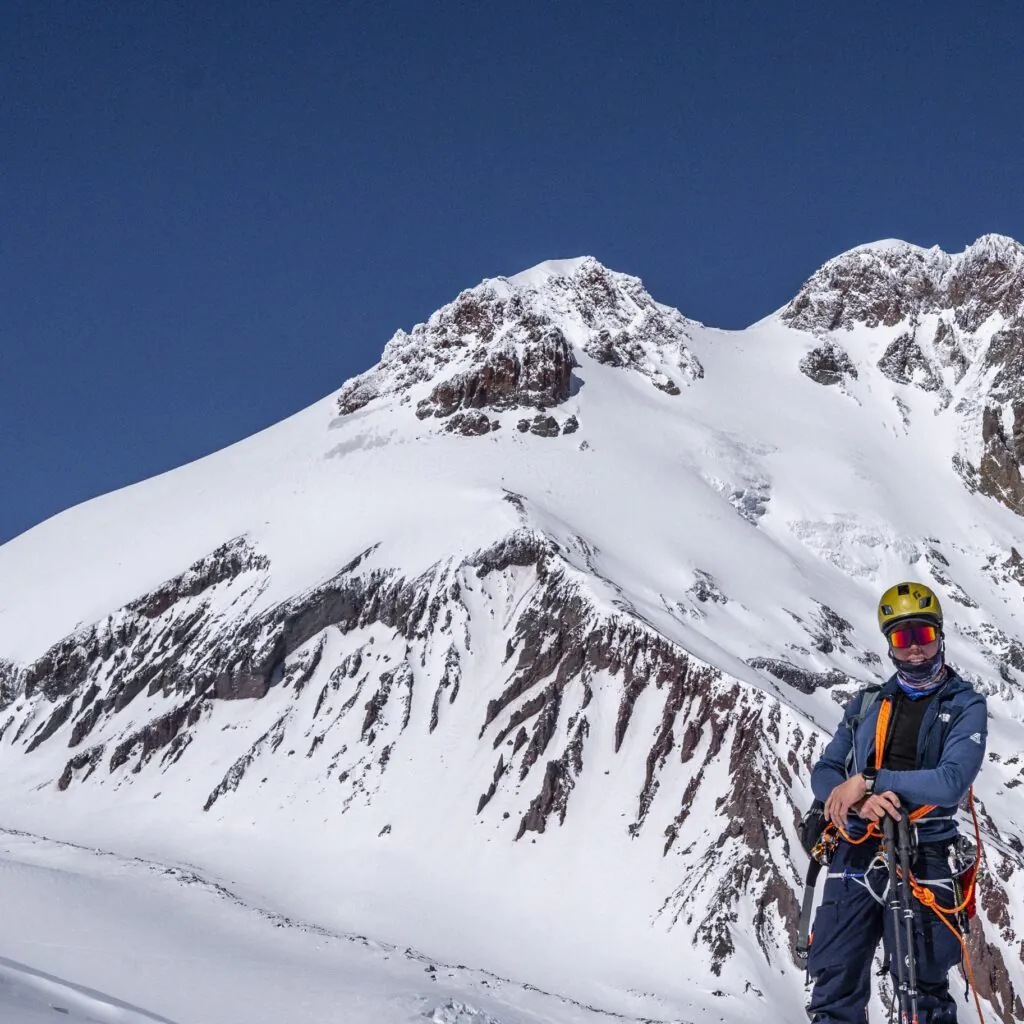
восхождение на казбеги
Why PVD Club treats it as part of the story, not a footnote
We run Kazbek climbs as one of our core programs, and the weather station comes up in every single briefing before a group heads up — not as trivia, but because understanding what the mountain actually does to a structure built to withstand it tends to reset people’s expectations for their own summit day. You can see the full range of our climbing programs, Kazbek included, on our ascents page, or check the Kazbek ascent details directly. If you want to hear it from people who’ve actually done the climb, our Kazbek summit reviews page has firsthand accounts, station stop included.
Next time your group reaches that building, take the photo — it’s a genuinely striking spot. But take thirty extra seconds to actually look at what it’s built from and how it’s held up, because that half-ruined station is telling you more about the mountain you’re on than the summit view will.


